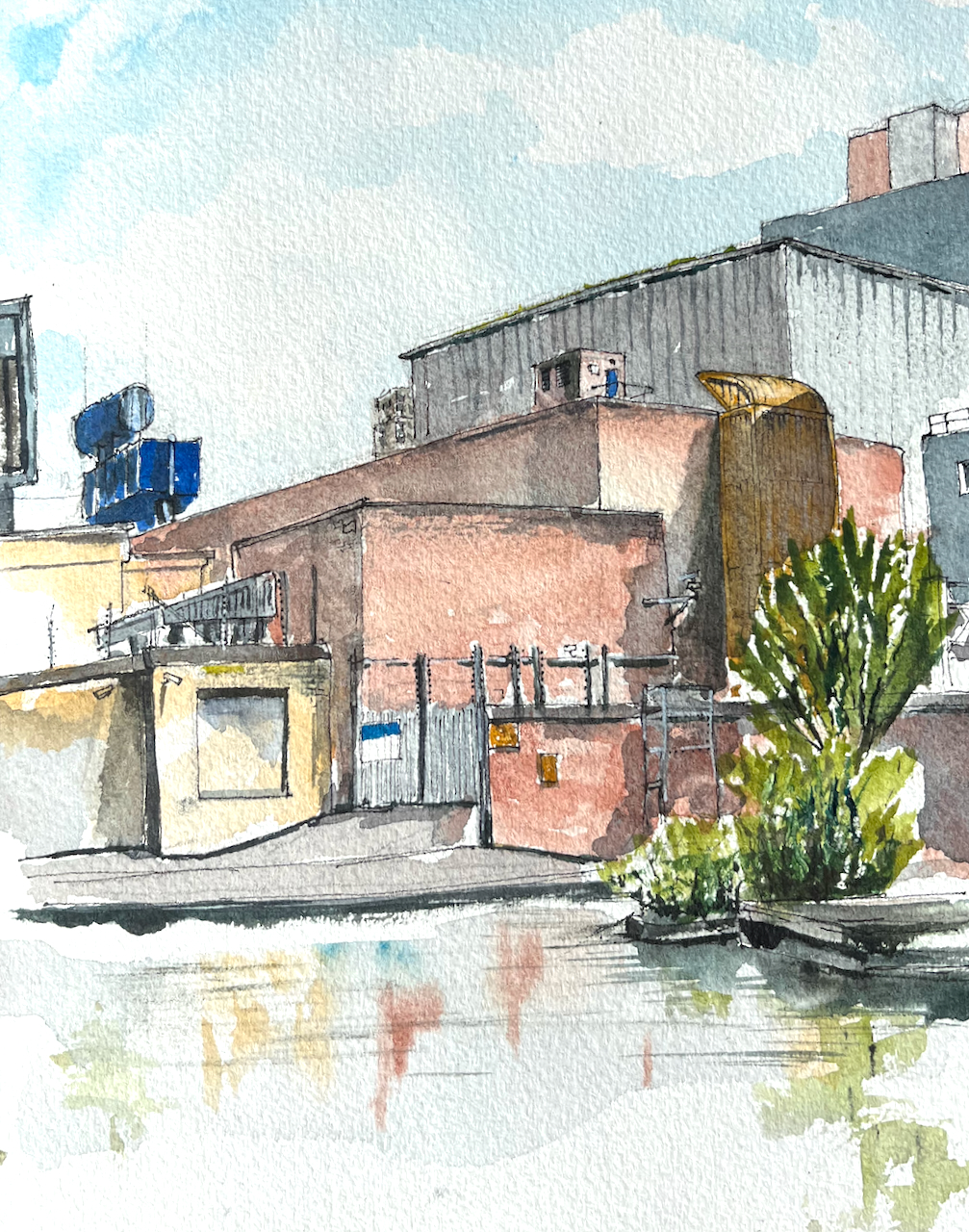
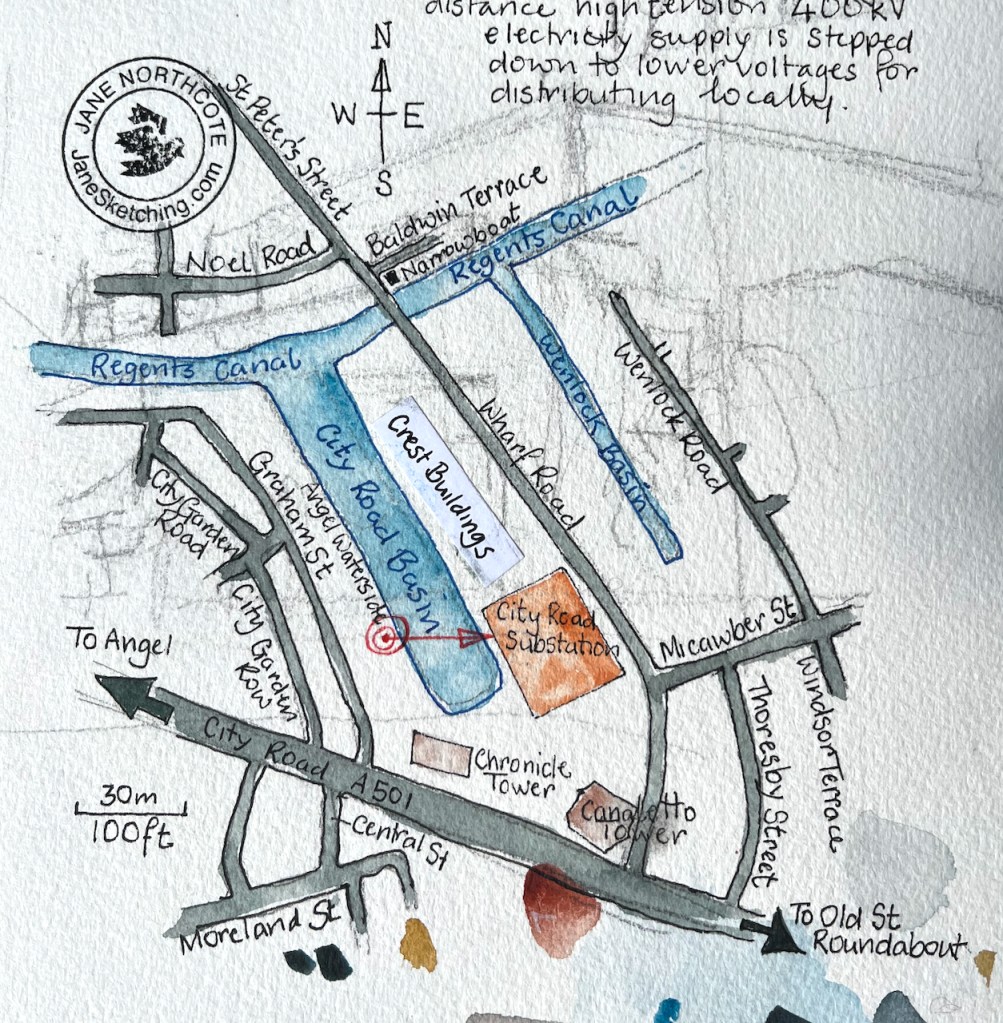
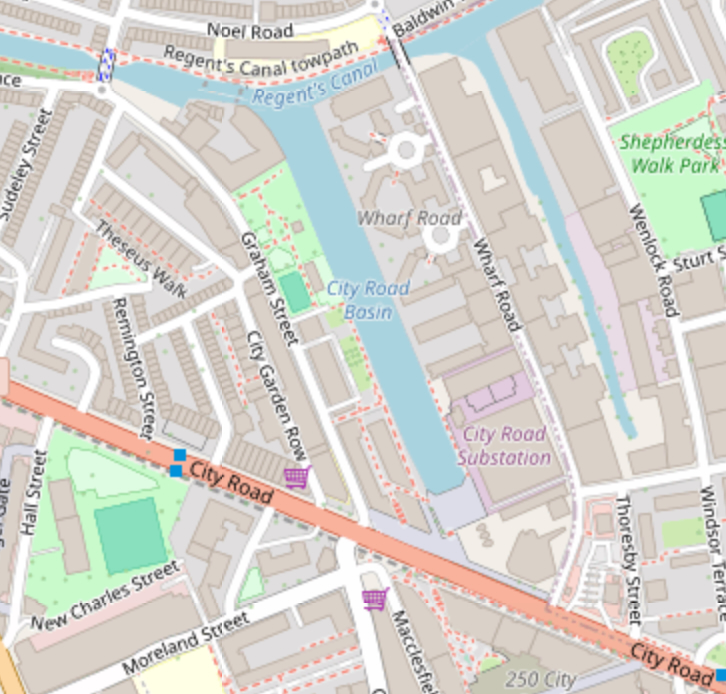
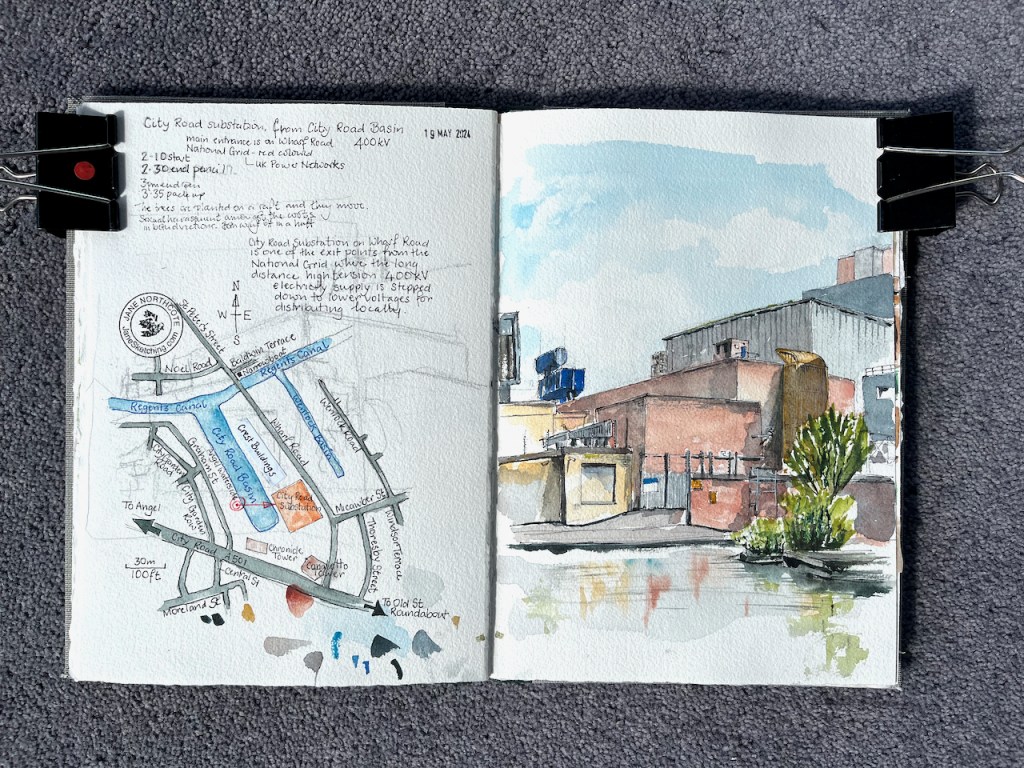
Here is a view of the City Road 400kV Substation, sketched from the other side of City Basin.
City Road 400kV Substation from “Angel Waterside” City Basin, 19th May 2024 in sketchbook 14
This is a monumentally large building, a last remaining representative of heavy industry, in an area now mainly residential. All around are the new tower blocks containing luxury apartments, made of shapes and designs aiming for visual appeal. Chronicle Tower and Canaletto Tower are just off the picture to the right. The sub-station is robustly functional. I enjoyed its forthright no-nonsense appearance.
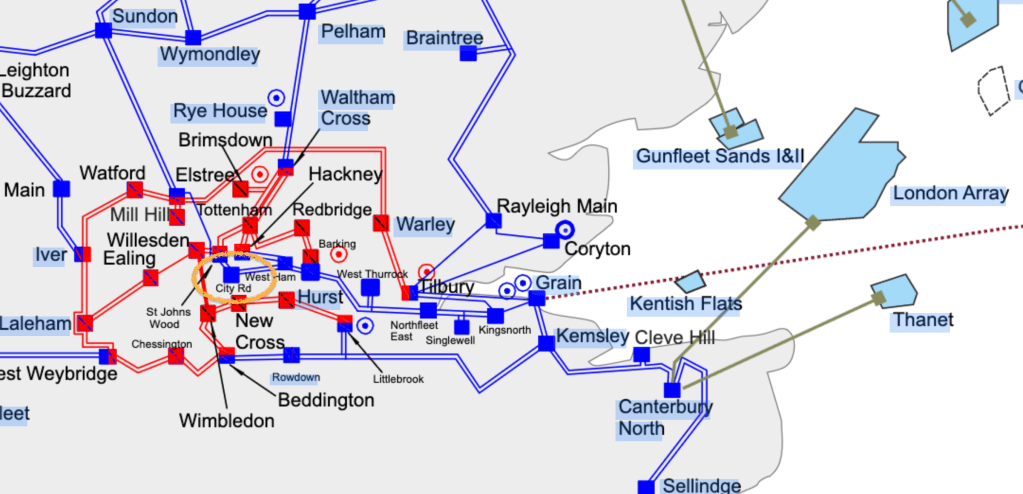
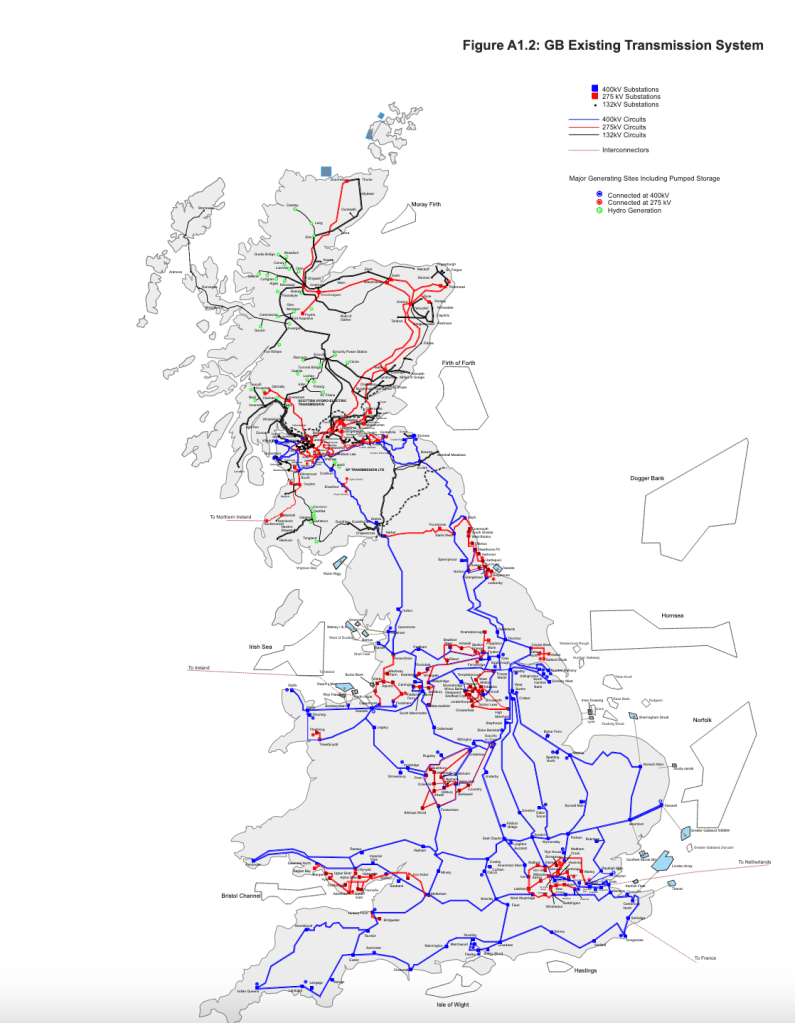
It’s built like a fortress, as well it should be. It is part of the UK power distribution system, connecting us in London to, amongst other power sources, the off-shore windfarms in the North Sea, an interconnector off across to Europe, and power stations on the Isle of Grain.
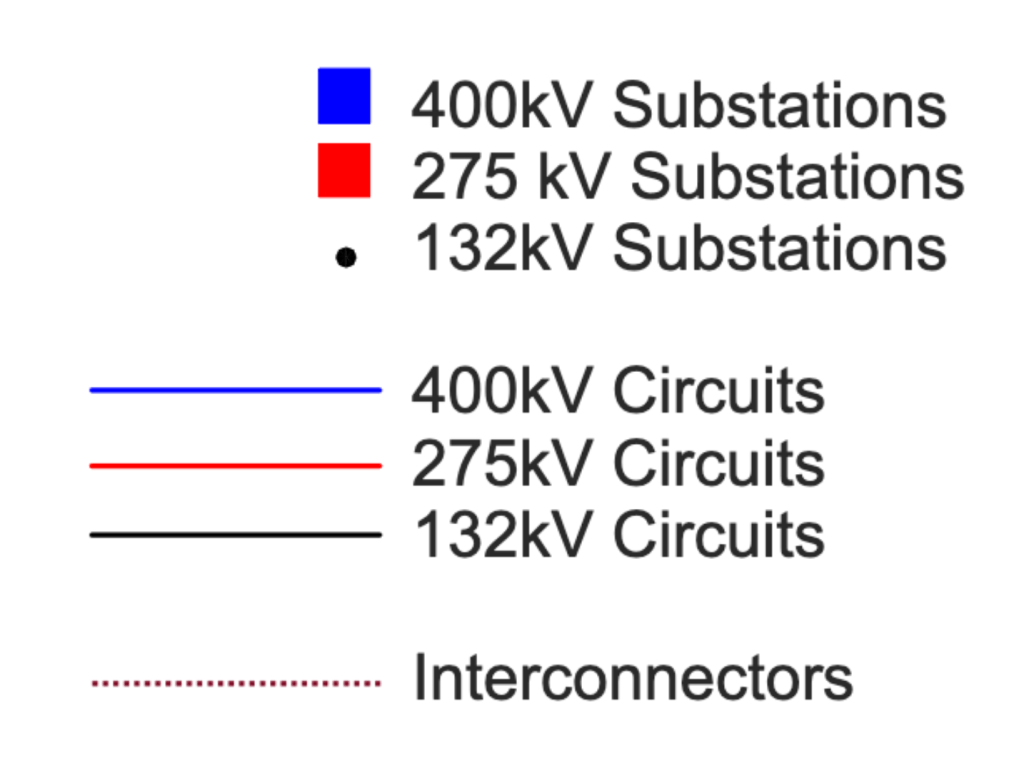
These diagrams come from a National Grid document on this link. The document is “Electricity Ten Year Statement 2012, Appendix A1”. It’s over 12 years old so there may be different connections now.
Despite the uncompromising appearance of the substation, the edge of its higher roof was softened with a subtle fringe of grass. I don’t know if this was a deliberate attempt at a “green roof” or if the grass planted itself there of its own volition.
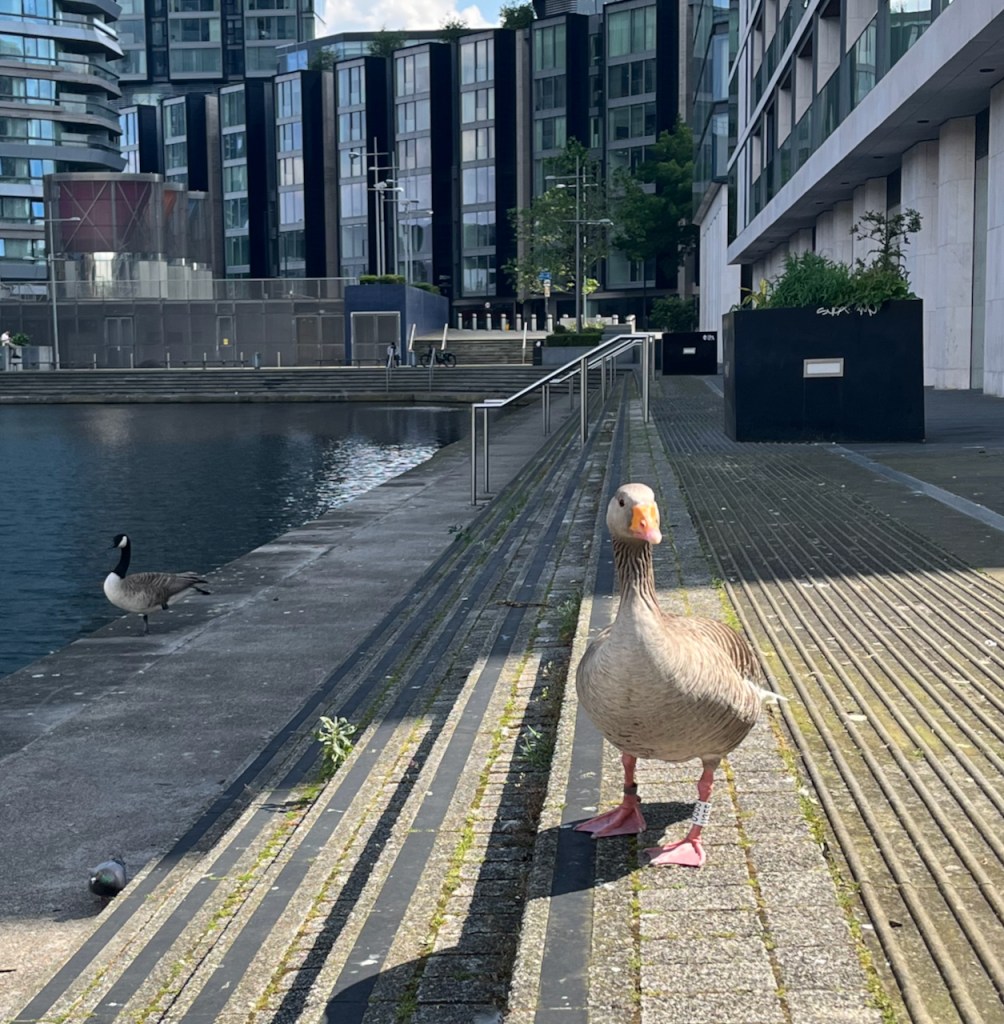
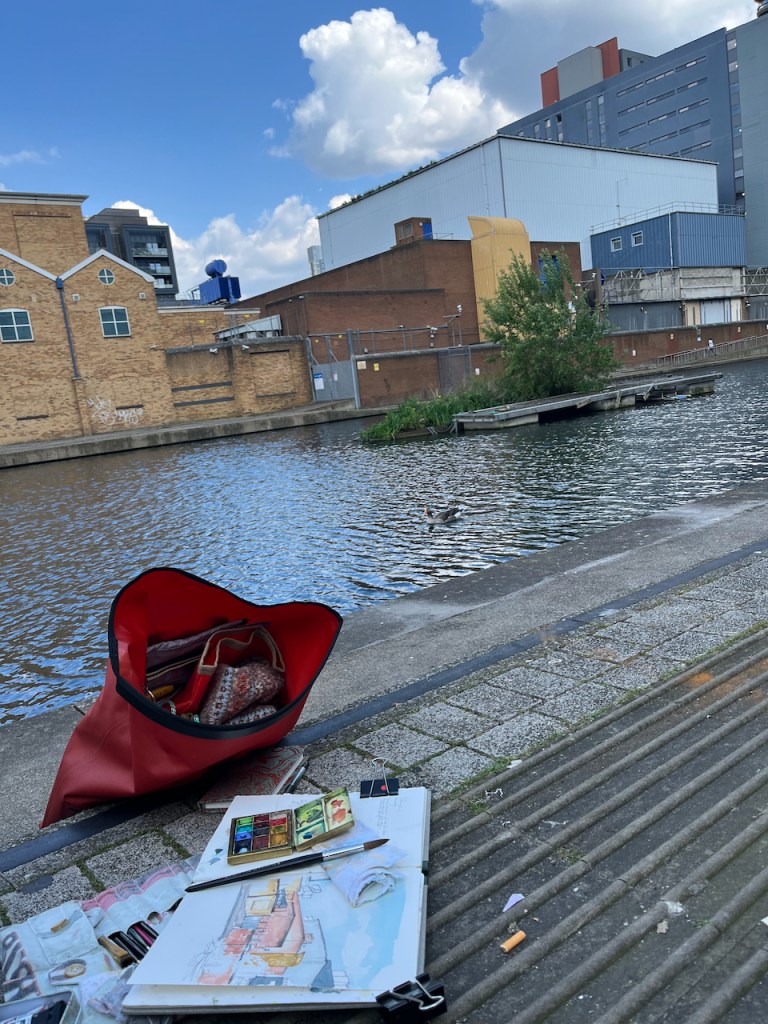
I made this sketch sitting by the water observed by geese. It took me a little while to establish that the tree in the picture was on a raft, and therefore it moved. One does not expect trees to shift around from place to place. I would put it in the sketch, and look up again, and find I had mysteriously got it wrong, again. The geese, obviously, always knew it was a raft, and cackled.
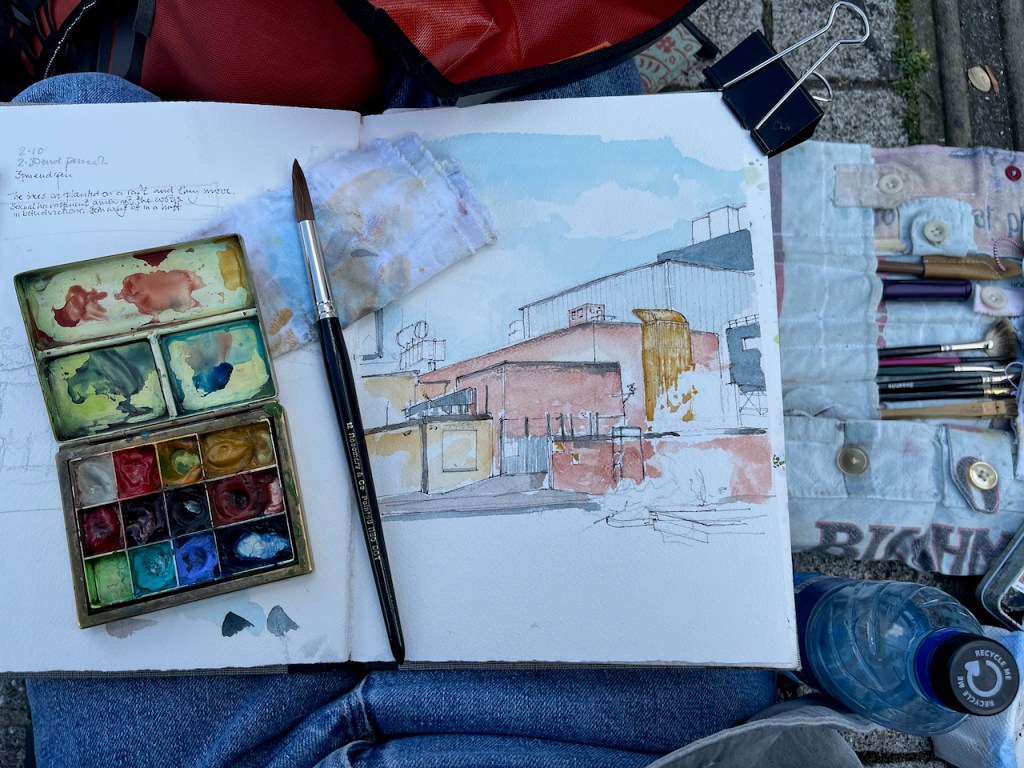
The colours here are:
Phthalo Turquoise Blue for the sky (with some Ultramarine Blue)
Fired Gold Ochre for the bricks
Mars Yellow, with Fired Gold Ochre, for the paler brickwork
Ultramarine Blue for the cylindrical construction on the roof (middle left)
Serpentine Genuine for the tree
All greys and blacks are combinations of the above, plus Burnt Umber.
Colours are all Daniel Smith. The paper is Arches Aquarelle 300gsm in a sketchbook by Wyvern Bindery.
Click a button below to share this post online, email it, or print it:
On my way up to the West of Scotland I had a day in Glasgow. The overnight train had arrived at 07:30 and the bus to Oban didn’t leave until 18:05. I emerged from Glasgow Central into the mist and fine rain, and walked up the hill to find the “Buchanan Bus Station”. My idea was to stash my bag in the Left Luggage facility and then spend my time exploring Glasgow.
Glasgow at 07:30 on a wet morning in March is not so very enticing. I had the lowest possible expectations as I entered the bus station. Although huge, the bus station had been difficult to find, hidden as it is behind a monumental building called “Buchanan Galleries”. This is neither a “gallery” of the art sort, nor a shopping centre, as far as I could work out. It is a multi-story car-park. Every shop I had passed on the way up had been closed, possibly permanently, or so it seemed to me. There was a wind, I was getting wet, and I was hungry. Despite the confident announcements on its website, I was starting to think that the Left Luggage at Buchanan Bus Station would be closed.
But, contrary to all expectations, the Left Luggage Office was lit up, the door open, and everything looked new and clean inside. Even better, a cheerful man in a beanie hat soon appeared behind the desk, took charge of my pack, and efficiently operated the locker system. I exchanged a £5 note for a receipt with a code, put the receipt deep within my pockets, and set off into the grey morning feeling a lot more cheerful.
This came to typify my experience of Glasgow: a grey and wet city enlivened by cheerful welcoming people.
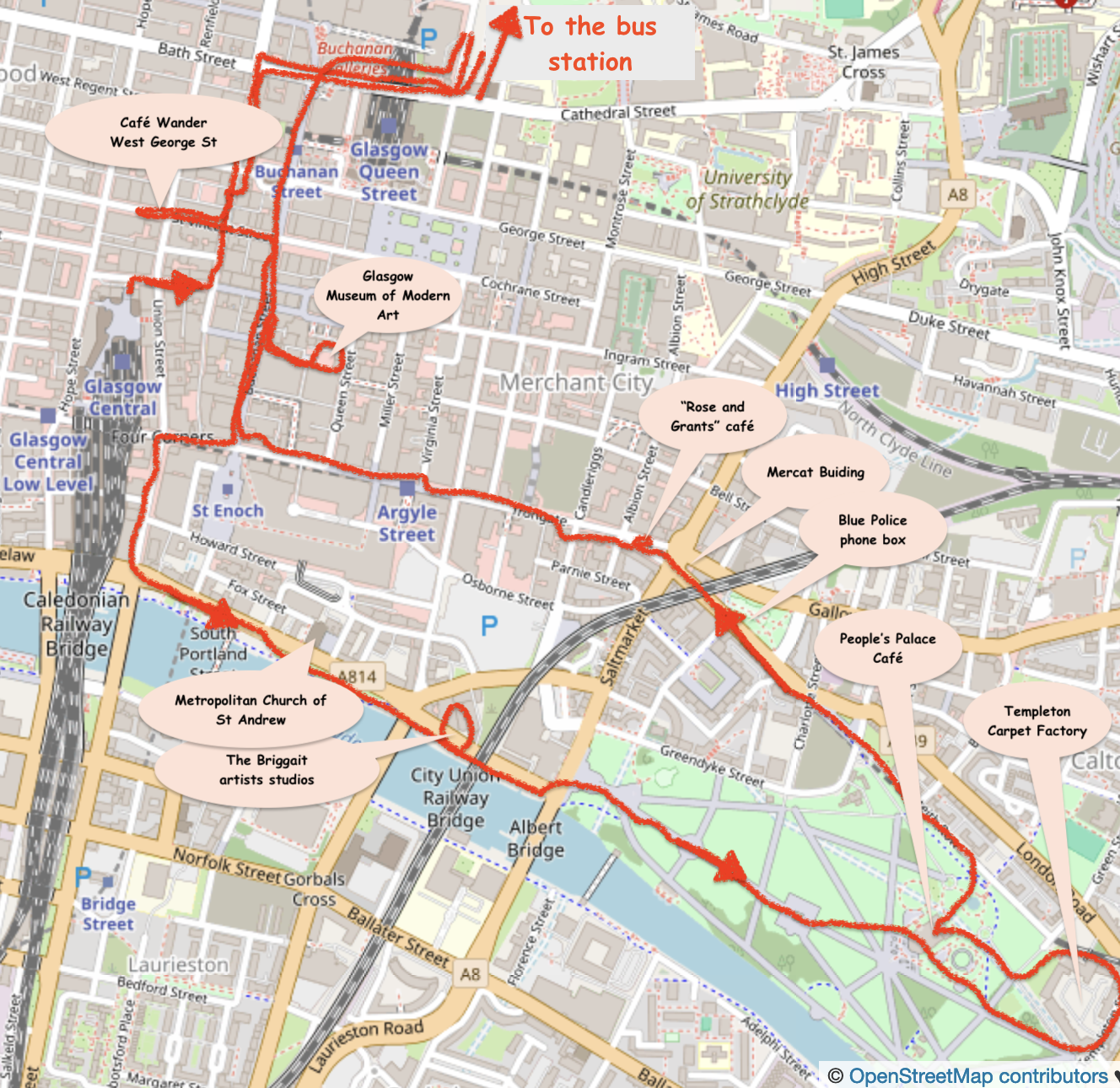
My wanderings around Glasgow. Positions of monuments and cafés are approximate. Map (c) Open Street Map Contributors.
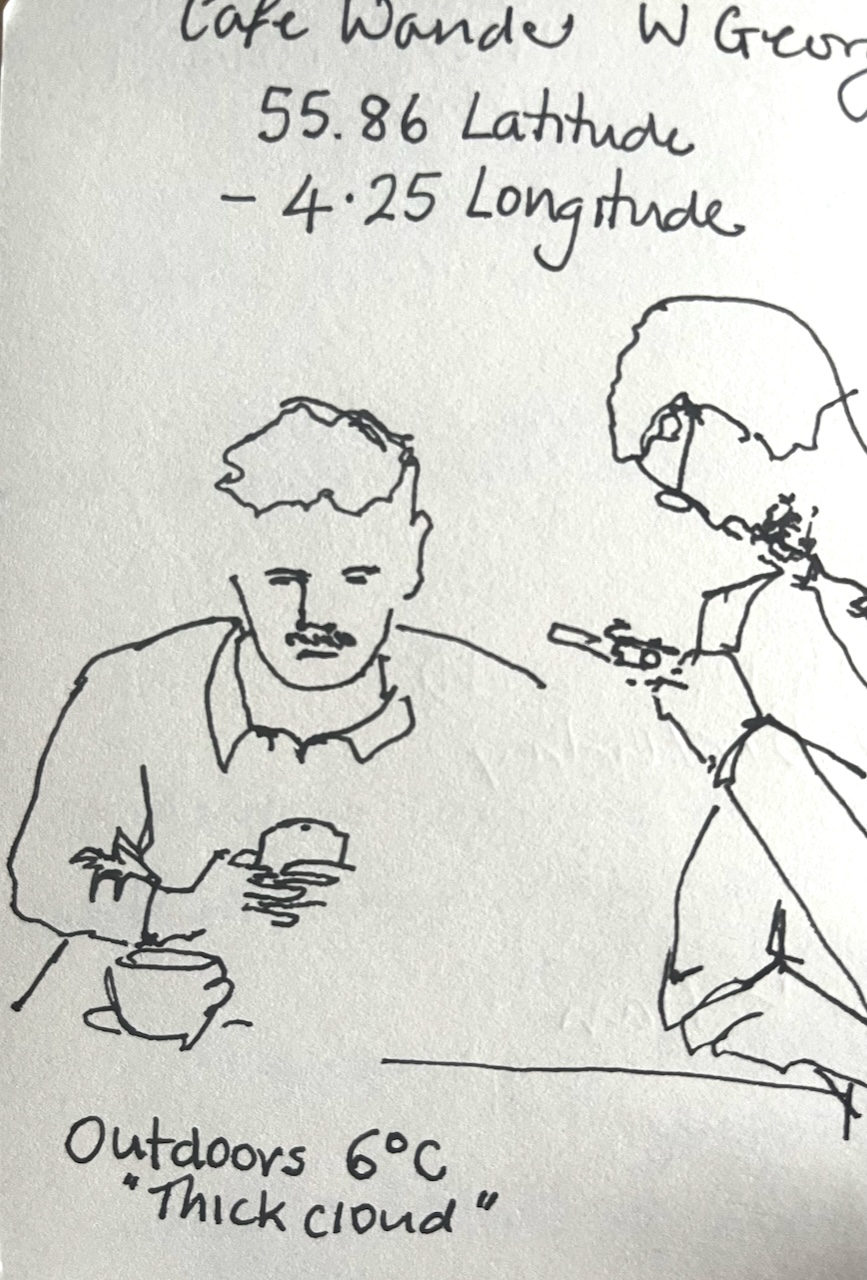
Walking out of the bus station, and wandering at random through the grid of streets, I spotted the “Café Wander” in a basement. This is at 110 West George St and was a great find: welcoming people, a big mug of tea, food, and a charging point for my phone. No rush, I could think and sketch, and feel as though I’d arrived. I decided to head for the river. A river tells you about a city.
The amazing thing about Glasgow is that there are these magnificent buildings, and a lot of them are apparently empty. Or at least they are empty from the 2nd floor up. At street level there is a band of multi-coloured shopfronts, some shuttered. Higher up the Victorian optimism and wealth proclaims itself in ornamented facades, fancy windows, sculptures, and carved names of proud institutions: “St Vincents Chambers”, “Bank of Scotland”. But these higher floors are deserted. The windows are dusty, the facades chipped, the statues dark with dust. But still.
The river told me nothing about Glasgow, except that Glasgow seems to ignore its river. There is a main road, a magnificently restored catholic church, and a succession of buildings which in London would be converted to luxury flats but which in Glasgow remain as buildings awaiting their future. By the time I reached the park, I was really cold. Hacking my way against what was now a biting wind, I encountered a small round woman with a small round dog, coming the other way. She caught my eye and laughed, holding firmly on to the dog’s lead as though it anchored her to the ground. “Bitter!” she announced, still laughing. I agreed that it was.
I wanted to ask her some important questions, such as whether the “People’s Palace” had a café, and what was that brightly coloured building in the misty distance? But conversation was going to be impossible in that wind, so she and I passed each other in amicable silence, allies against the elements.
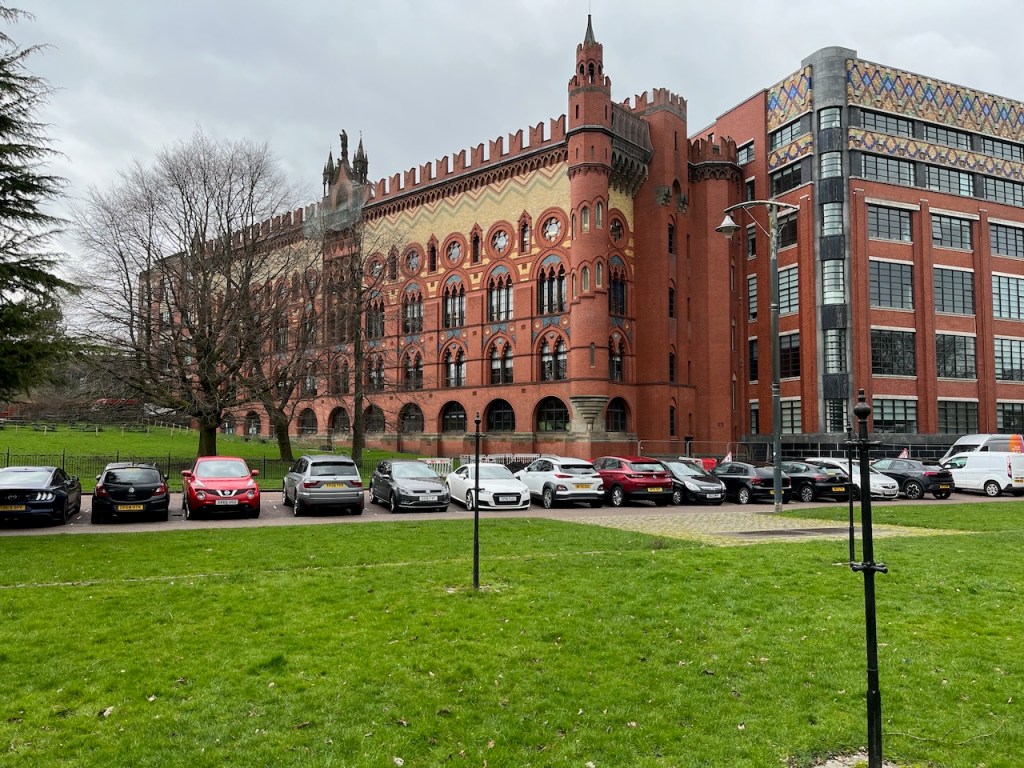
The brightly coloured building was called “Templeton Buildings”. It had no café, and no information. There was a bar, predictably closed. I circumnavigated it, and then set off for the “People’s Palace”. In the distance I’d seen someone come out, but they could have been a builder or a janitor.
It was now raining in earnest. All my papers, tickets and art equipment were in dry-bags inside my backpack, which had been a good precaution. I’ve been in Scotland before. The People’s Palace appeared out of the mist, a huge Victorian edifice, looking formidable and very closed. It was not closed. There was a board outside. A café! I pushed open the door, ready to be rebuffed at any moment, but no, inside was warmth and light, a museum of some sort, public toilets, and a café.
The “People’s Palace” Glasgow Green.
I more or less fell into the café. The friendly person at the counter gave me a guided tour of the home-made cakes, evidently from personal experience. Since he looked like someone who knew his cakes, I accepted his recommendation for the coconut sponge and took a window seat by an old fashioned radiator that was pumping out heat. From there, I watched through the window at coach tours who arrived to look at a fountain in the rain. This is the Doulton Fountain, gifted to Glasgow in 1888 by the Doulton Pottery in Lambeth, London. It would look very nice in the sun: a good sketching subject.
The friendly cake-expert directed me to information panels which told me about Templeton Buildings. This is the former Templeton Carpet Factory, which ceased operation only in 1980.
photo of Templeton Buildings
Eventually, fortified by cake, I was off again in the rain which had abated slightly. I was determined to sketch at least one of the Glasgow buildings. I came to the end of a long road, there was the Mercat Building.
Mercat Building, 26-36 Gallowgate, Glasgow, G1 5AB: 1928-31 designed by Andrew Graham Henderson who lived and worked in Glasgow 1882 – 1963
This was a very quick sketch, on an A5 card, done from a doorway as the rain came down. I stopped before all the colours ran together and retreated into “Rose and Grant”, another welcoming café where the people were not atall put out by my washing my brushes in their water glass and spreading out my watercolour equipment on the table, making copious use of the supplied paper napkins for art purposes.
My tour of Glasgow included the Museum of Modern Art, which has a peaceful library in the basement, as well as small galleries where the pictures have commendably large-type curation. Not crowded. Easy to navigate. Friendly.
I ended up back at Buchanan Street Bus Station, successfully retrieved my pack and was early for my bus.
Glasgow is definitely a City to return to.
Click a button below to share this post online, email it, or print it:
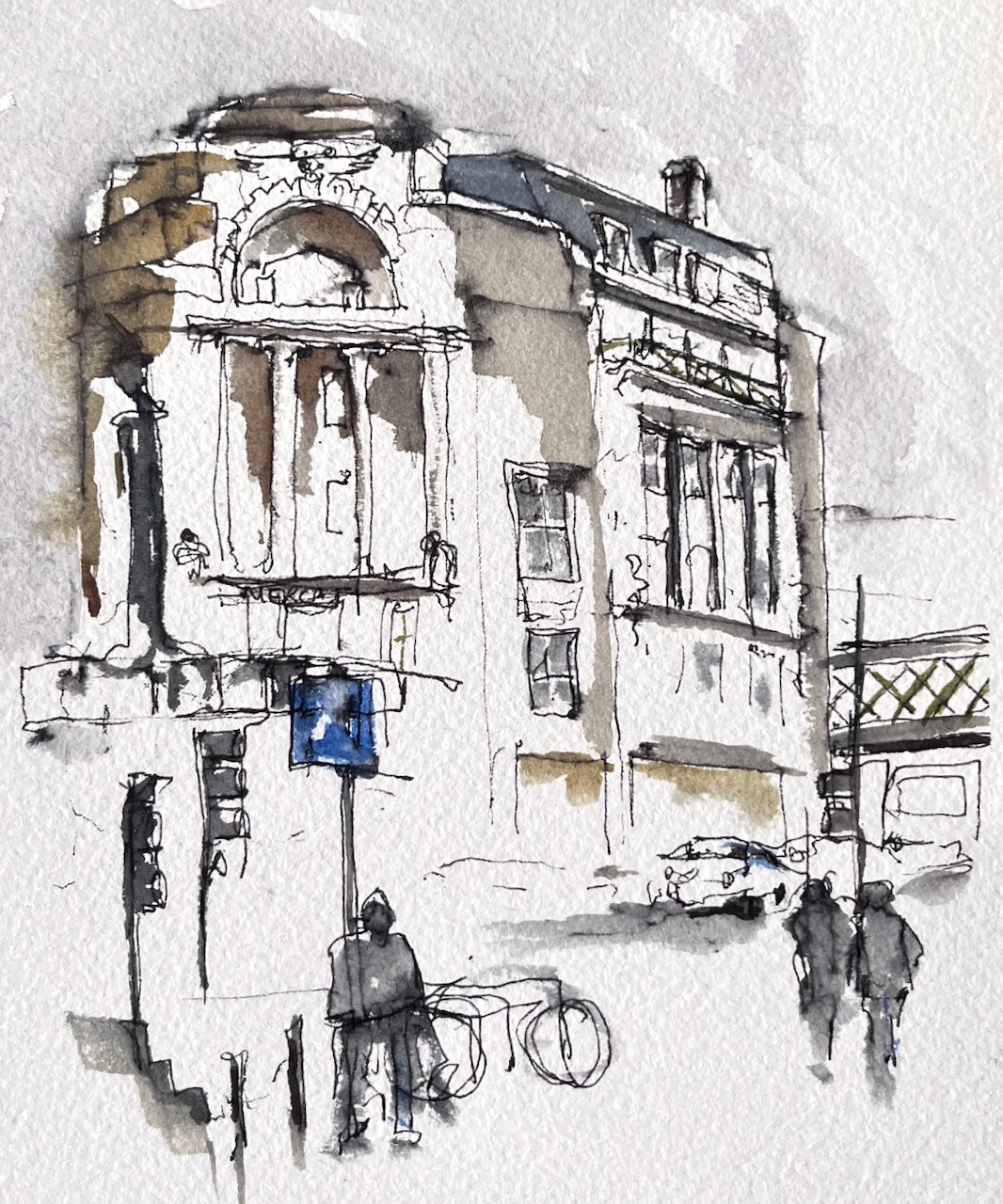
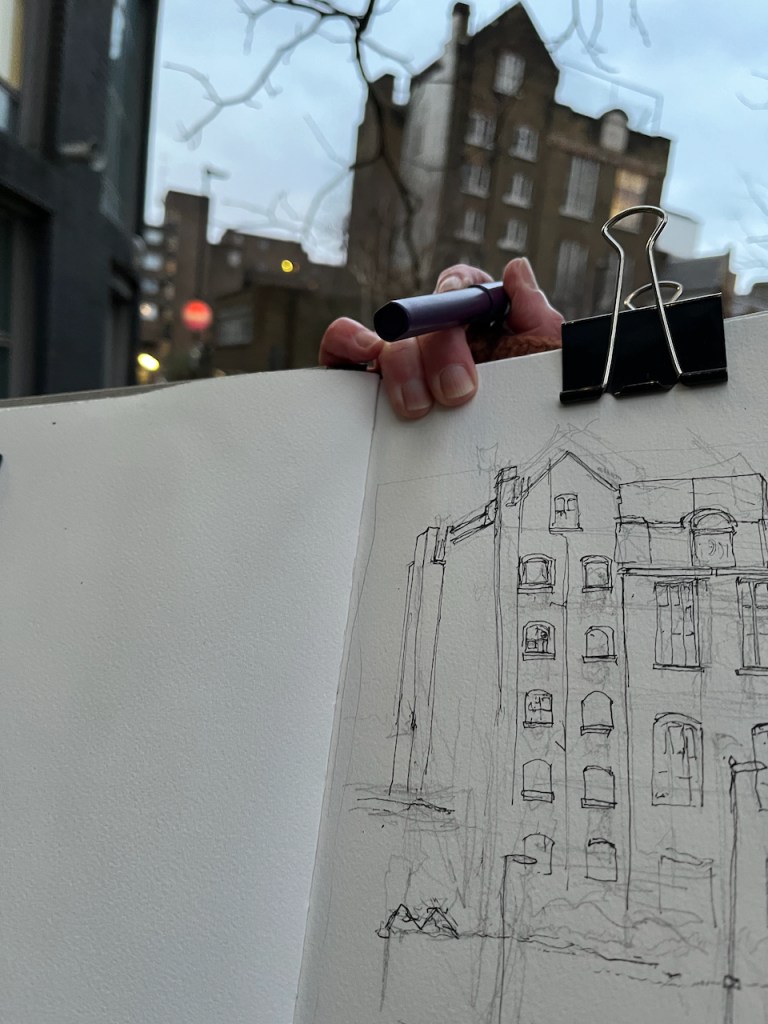
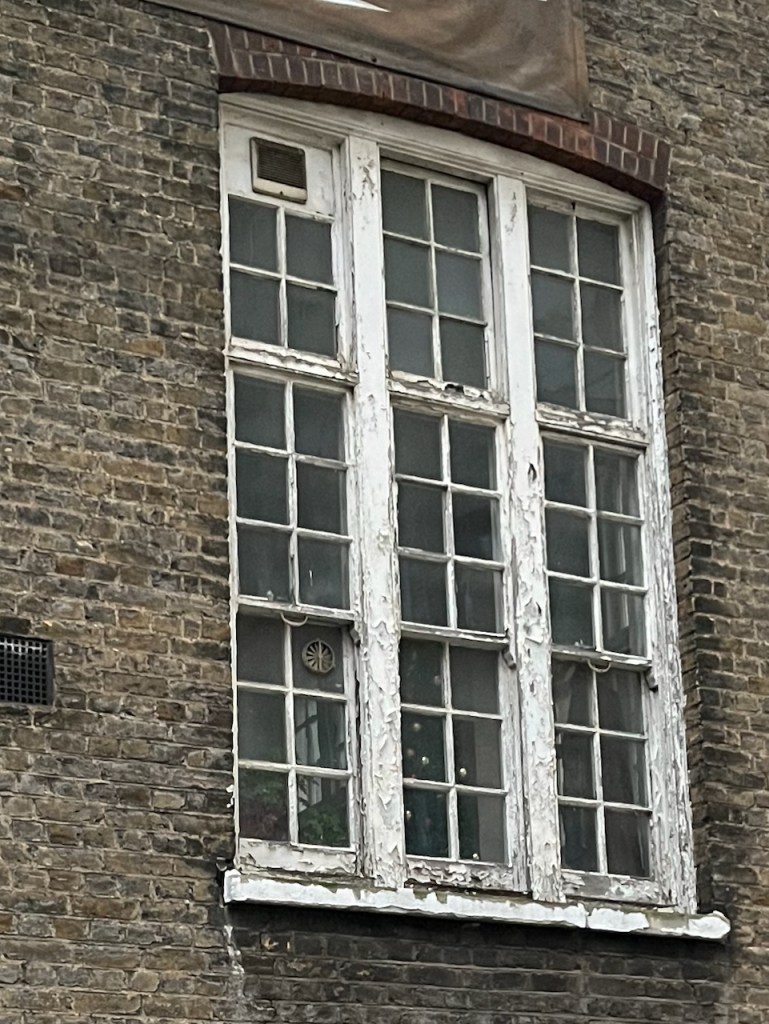
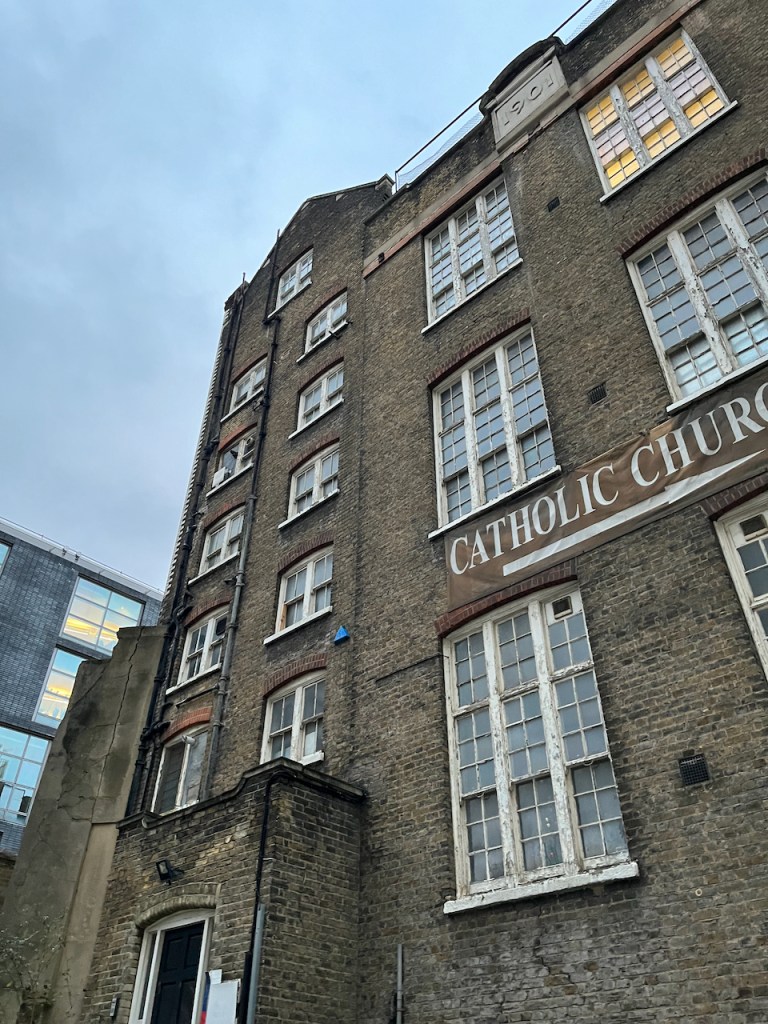
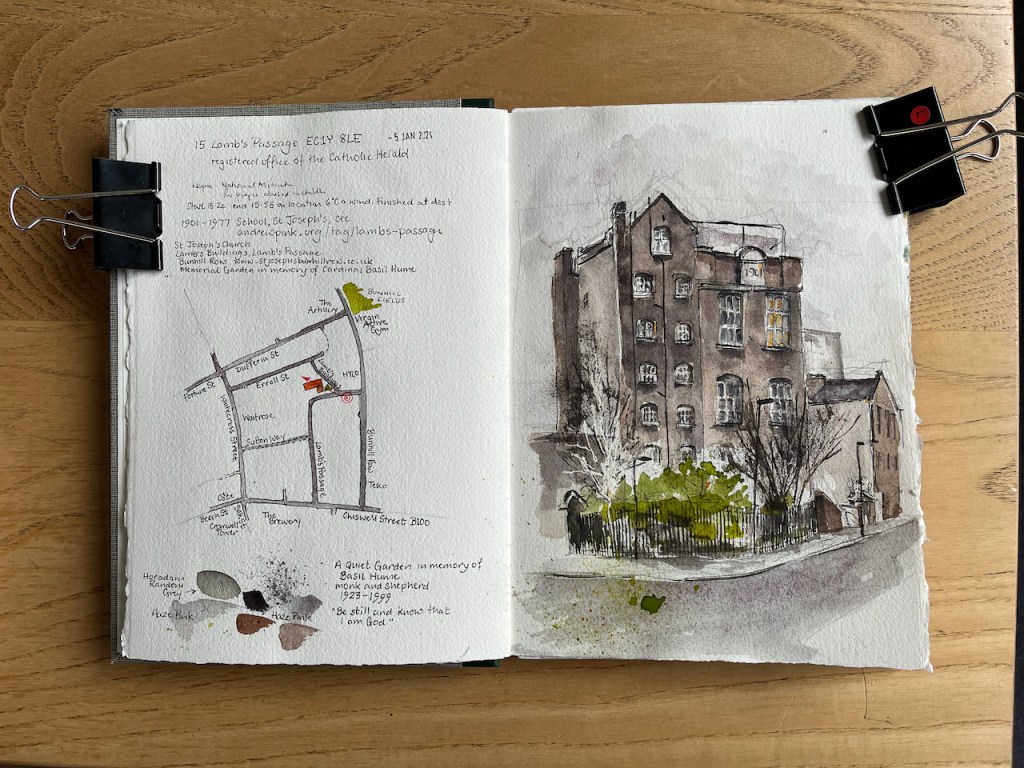
An old brick building stands amongst the new-build. The paint on its window frames is flaking, and its brickwork is dark from the smoke of a previous age, yet it retains its dignity: a grandmother of a building.
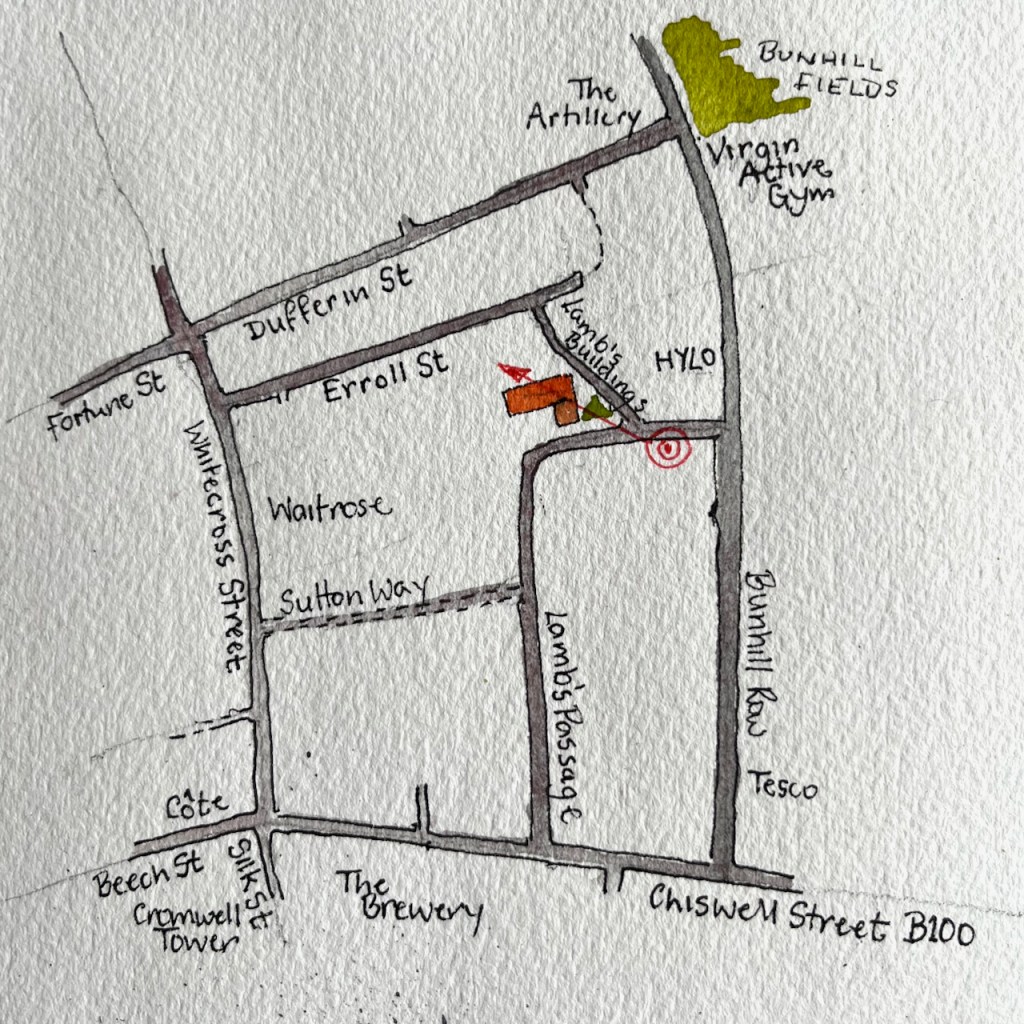
15 Lamb’s Passage, London EC1, sketched 5th January 2024 in Sketchbook 14, 4pm, 6 degrees C
This is the former St Joseph’s School, built in 1901, which ceased operation as a school in 1977. On its roof you can see the wire netting which once must have surrounded a playground or netball court.
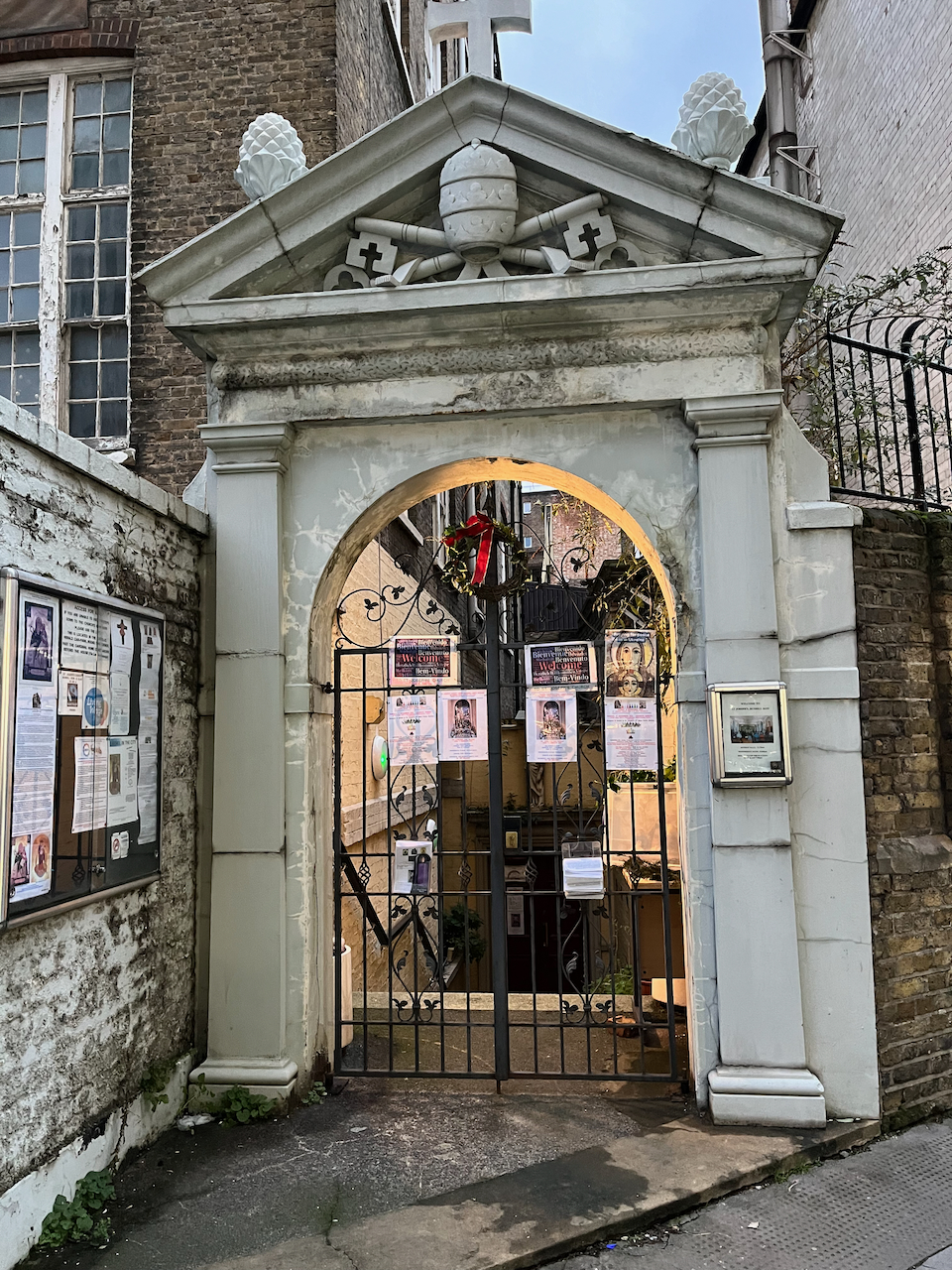
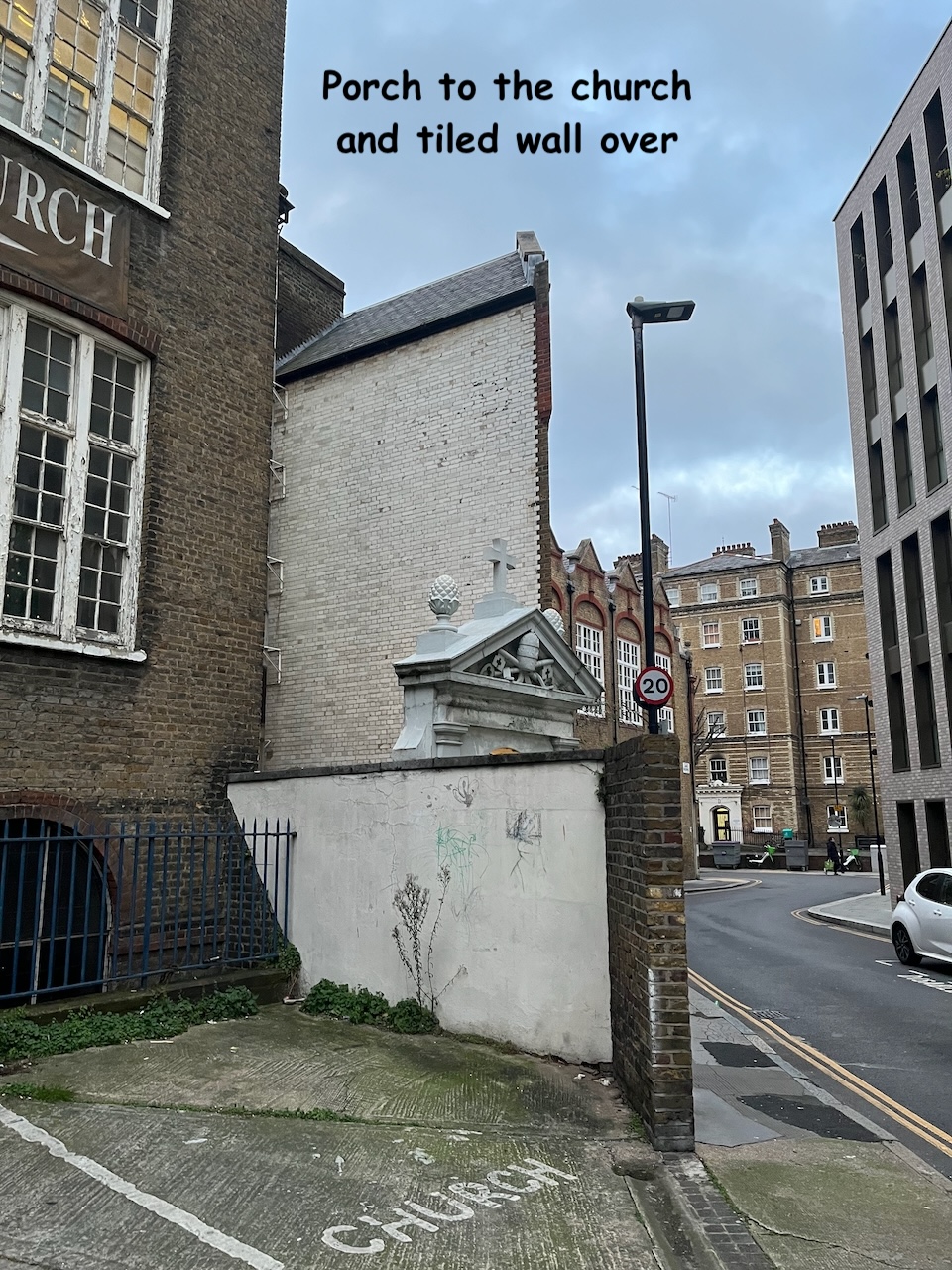
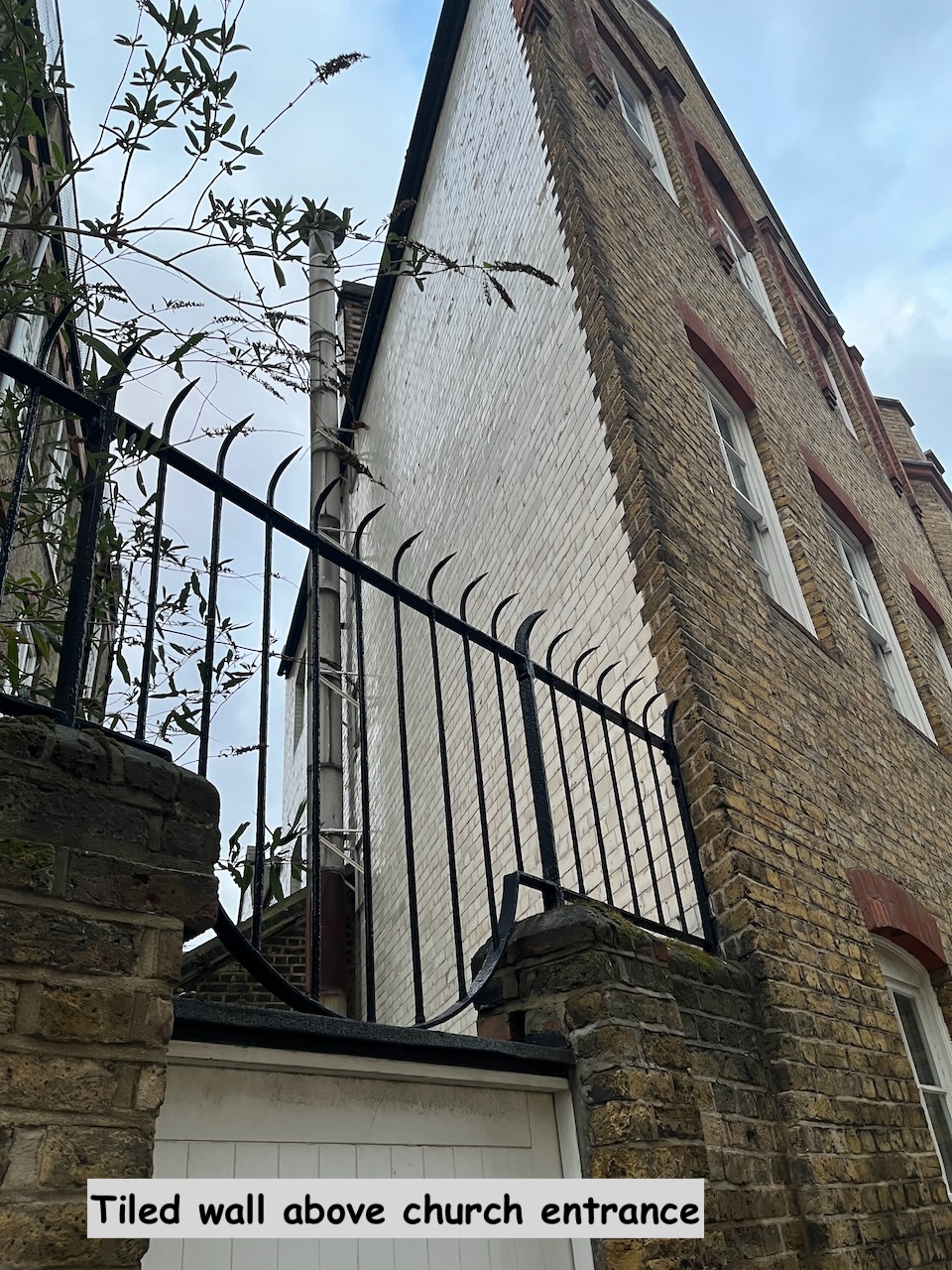
St Joseph’s Church is in the basement, accessed by the porch you can just see to the right of my drawing behind the furthest lamppost.
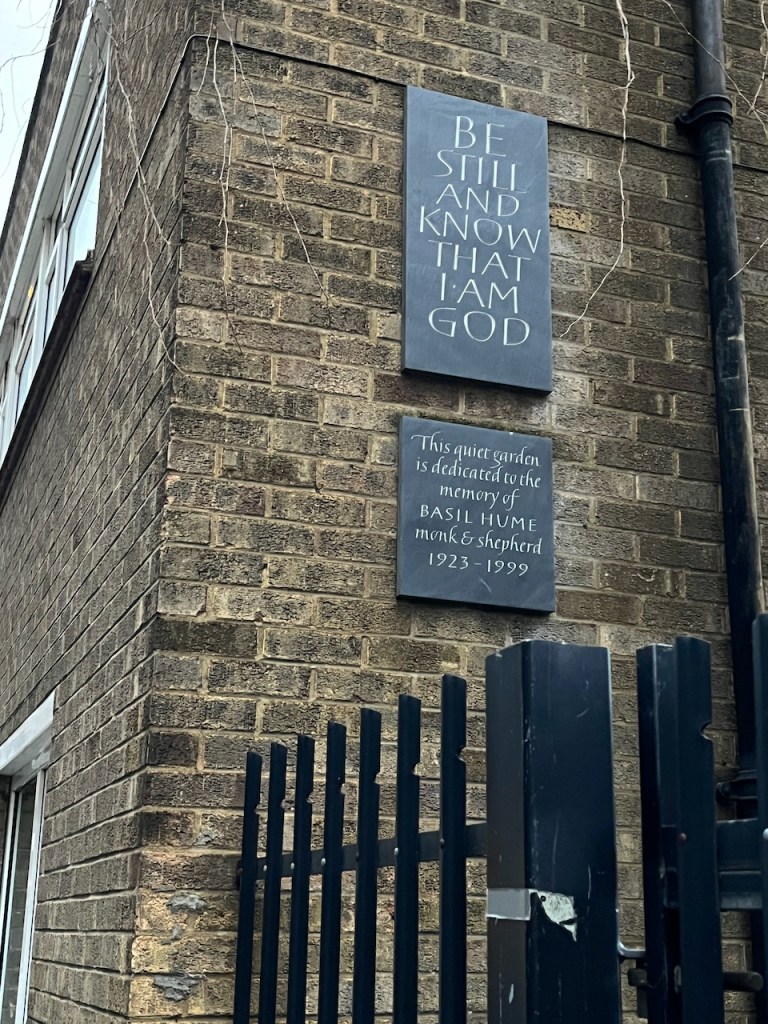
The area in front of the building is a quiet garden, in memory of Basil Hume, an English Catholic bishop. Sometimes the gate is open and you can go in. It has been arranged so that, even in this tiny space, it is possible to walk some kind of small pilgrimage, along a path, across a ditch, past a tree, and so round a corner to rest in the shaded hut. On the way you encounter a splendid birch tree with white bark, which I have seen grow from a sapling.
BE
STILL
AND
KNOW
THAT
I AM
GOD
This quiet garden
is dedicated to the
memory of BASIL HUME
monk and shepherd
1923-1999
Number 15 Lamb’s Buildings hosts several organisations now. The City Photographic Society uses the Church Hall in this building. It is also the registered office of the Catholic Herald. I have often heard music as I pass by, so it might also be used as a rehearsal space. There is ballroom dancing on Mondays. The smaller building to the south, on the left of my drawing, hosts a pregnancy advice centre. So this is a set of buildings is in use, actively serving the community despite the flaking paint.
I made this drawing quickly as the light faded on a cold and windy evening. After the pen, I retreated back to my desk to apply the colour.
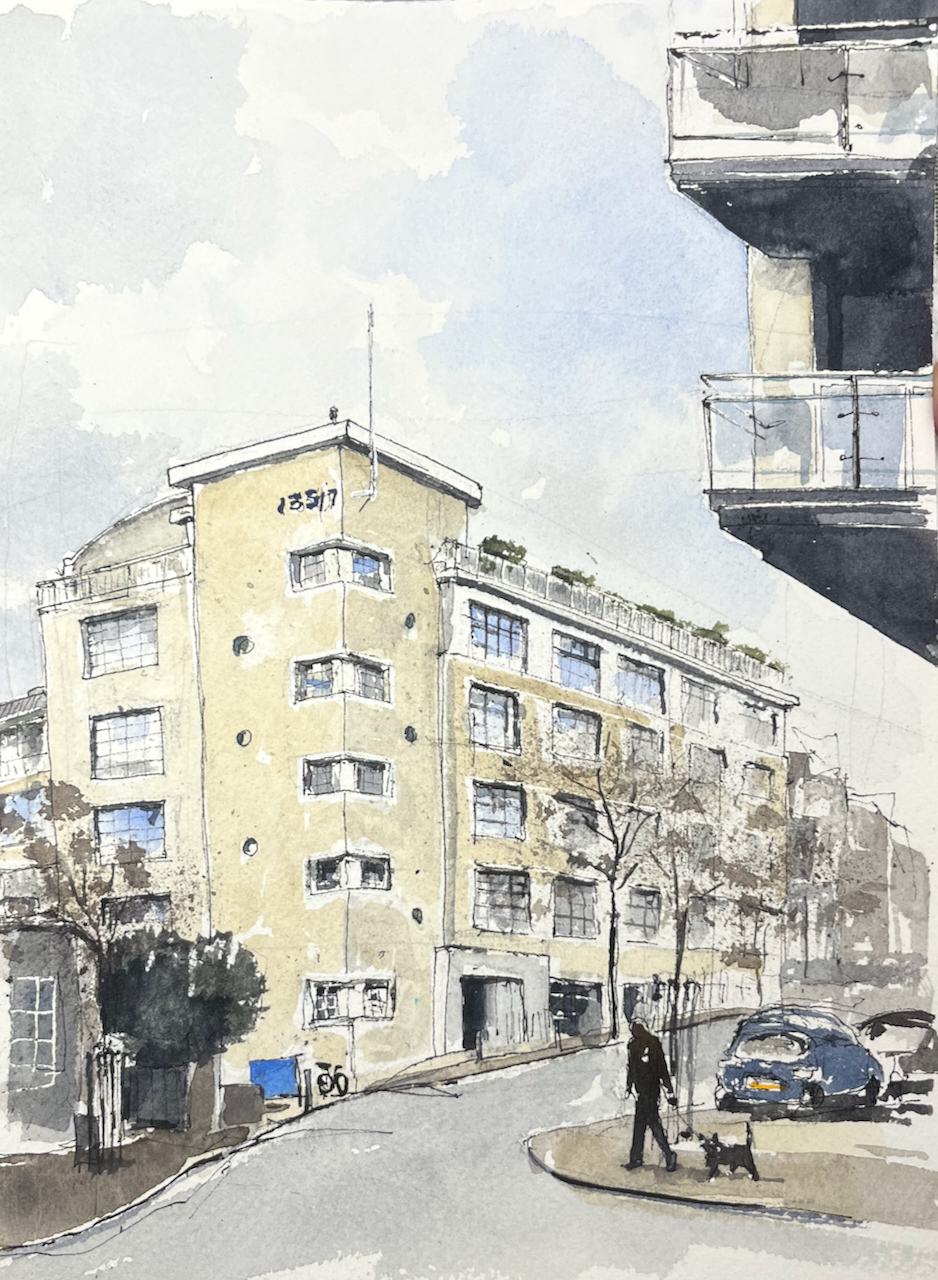
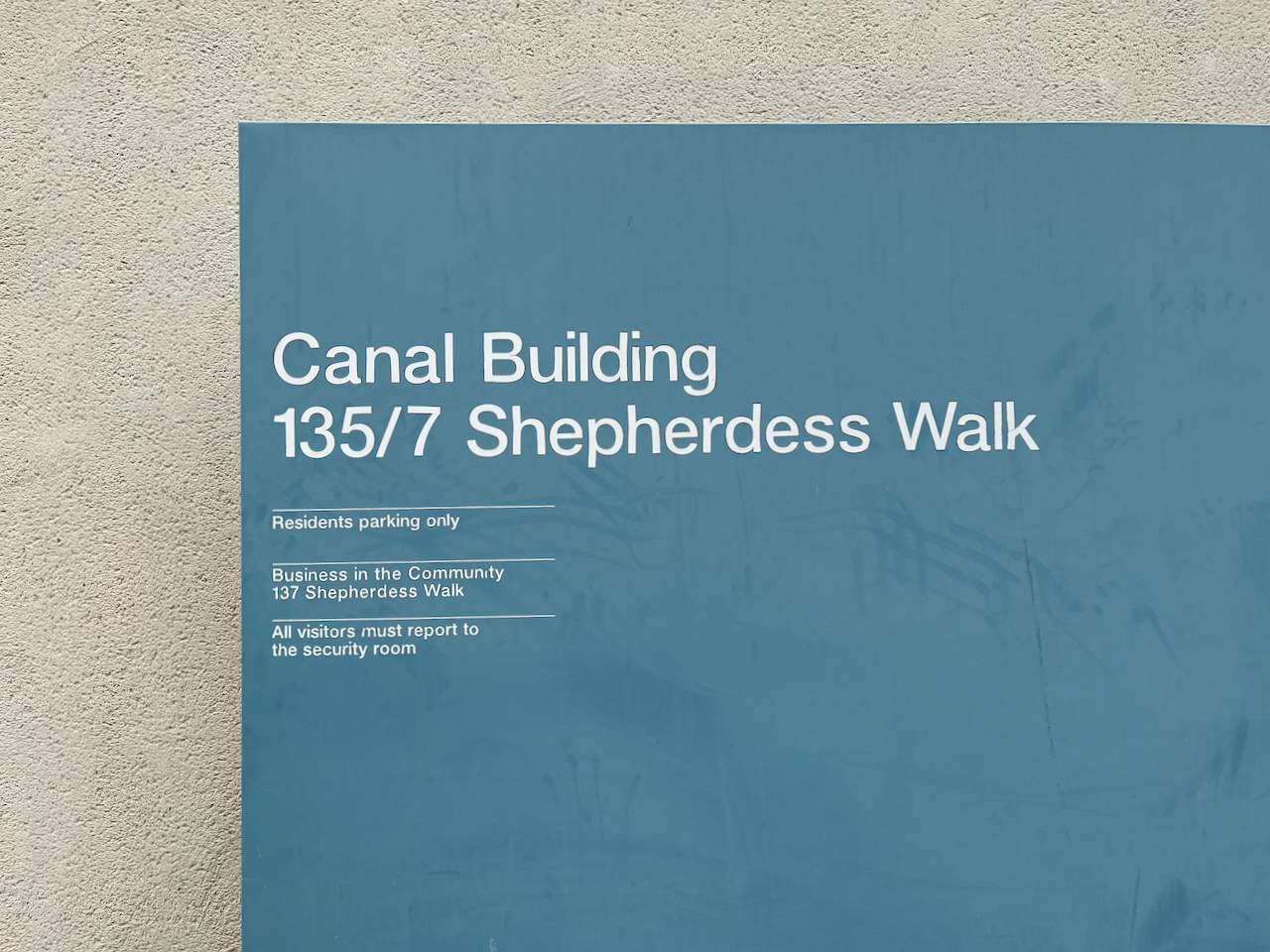
Here is The Canal Building, at the north end of Shepherdess Walk, sketched yesterday from the junction with Eagle Wharf Road.
Canal Building, Shepherdess Walk, London N1, sketched 29 December 2023 in Sketchbook 14
The building overhanging, in the top right of the drawing is part of Angel Wharf, 164 Shepherdess Walk. Shepherdess Walk leads over the Regents Canal, the bridge is just behind the cars in the picture. The buildings you see above the cars are on the other sidee of the canal. On the left is the “Wenlock Brewery”.
There is a tiny object on the roof of the Canal Building, next to the flagpole. It was hard to see what it was, but it looked like a wooden owl.
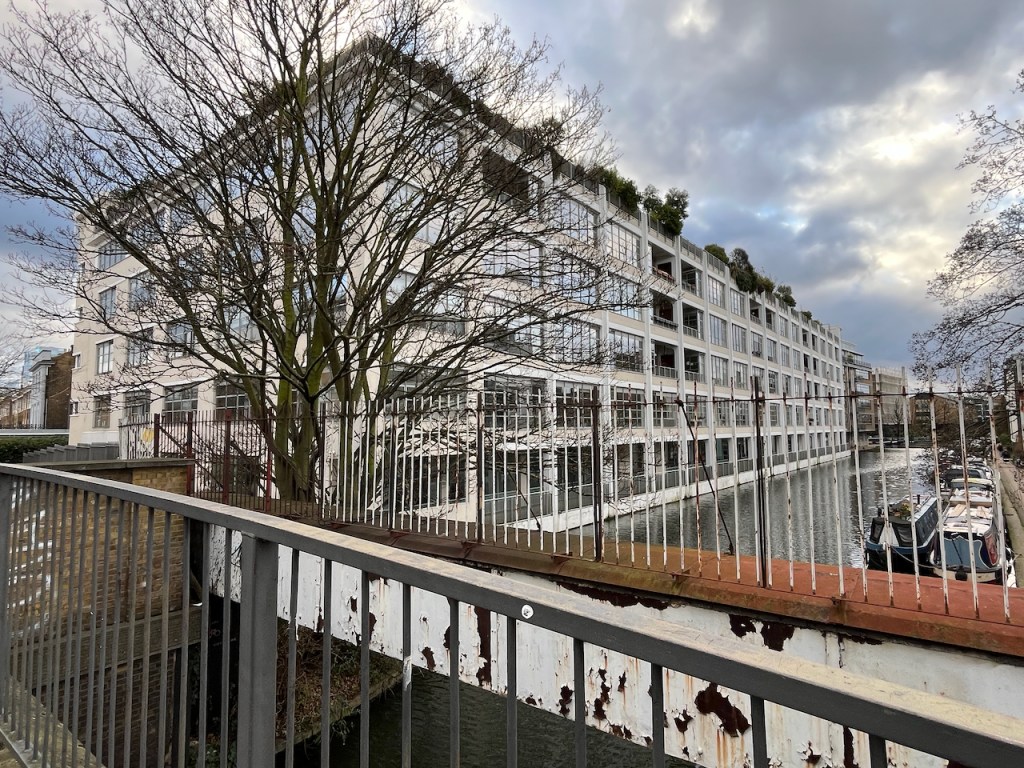
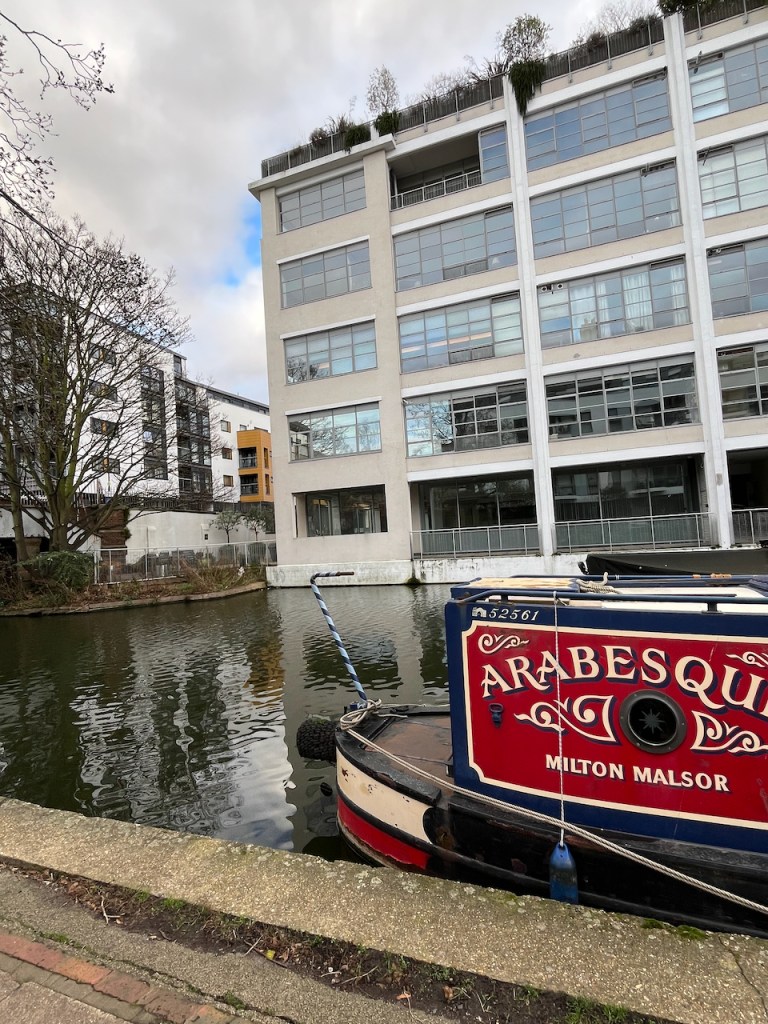
The Canal Building is a former 1930s Art Deco warehouse. In 2000, it was converted into apartments and commercial space to the design of the architects Child Graddon Lewis. This building gained the architects a place amongst the finalists for the 2023 Architecture Today Awards, in the category “Mixed Use and Retail”. There are 35 new apartments, 45 live/work units and 1100 sq metres of commercial space. Here are photos of the building from the canal side.
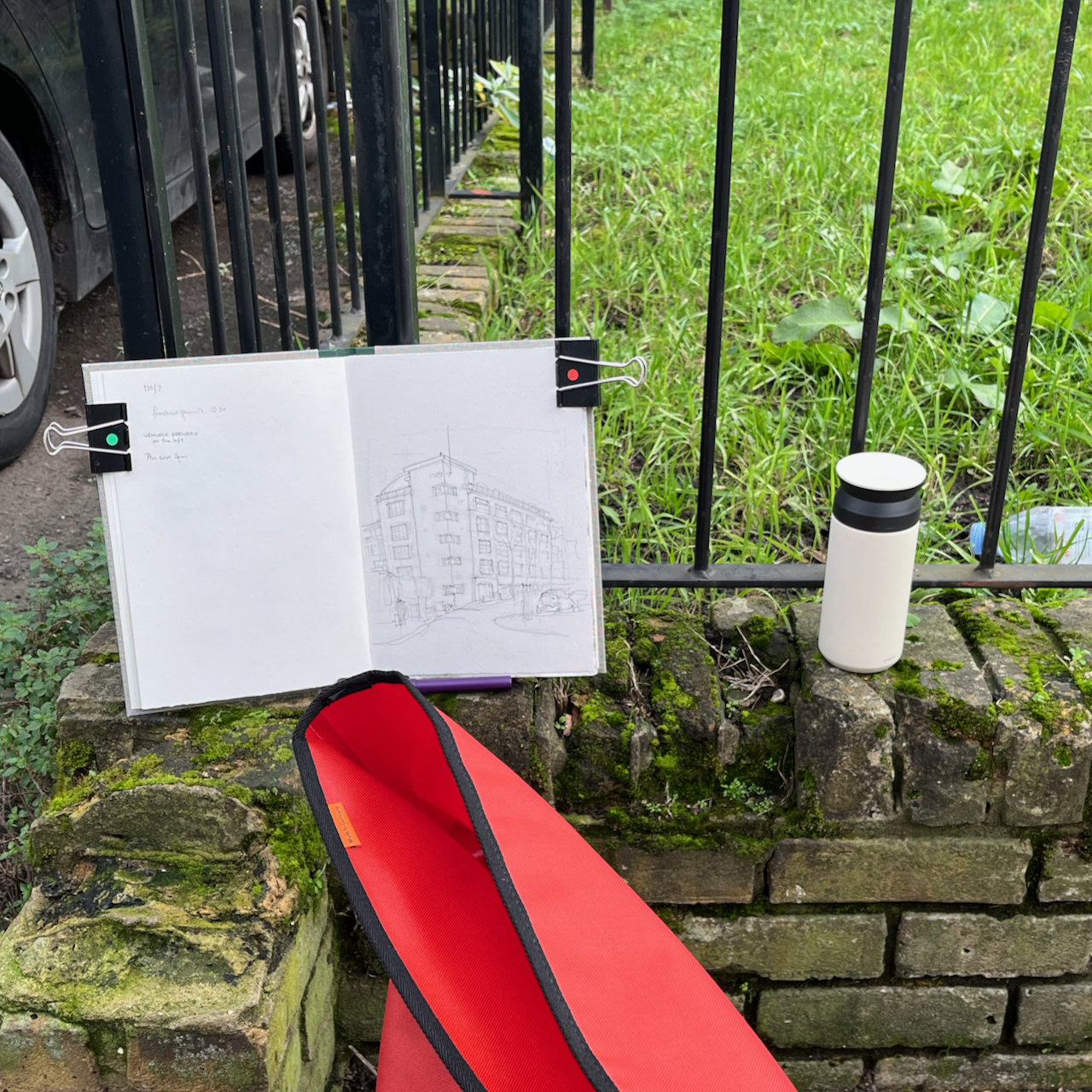
I did the pen on location and added the colour at my desk later. It was cold outside and I was sitting on a damp stone wall. Many people were out and about in the area, and two of them stopped to say hello and look at the drawing.
Pen doneDamp mossy wall…my sketchbook…coffee
There are just three main colours in the sketch: Buff Titanium, Burnt Umber and Ultramarine Blue.
Buff Titanium for the Canal Building
All greys and blacks are Ultramarine Blue plus Burnt Umber
Ultramarine Blue for the blue car, the blue notice, and in the sky
The trees are Burnt Umber
And that’s it! There is a bit of Mars Yellow for the car number plate.
All colours are Daniel Smith except the blue, which is Schminke Horadam.
This is my first sketch in a new sketchbook!
Sketchbook 14
Here are some other sketches I’ve done in Shepherdess Walk:
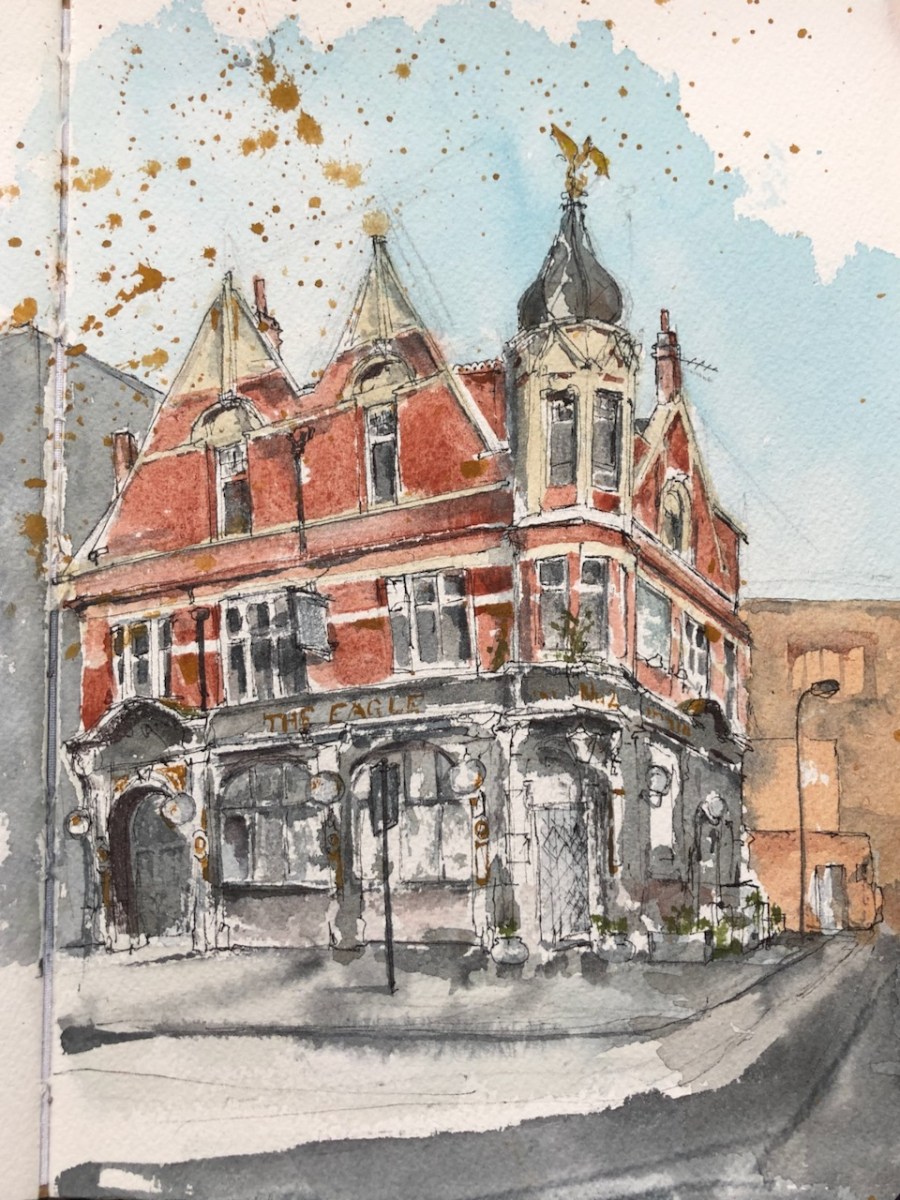
Here is The Eagle. This is a very old pub, located at a significant junction on City Road. In the picture above, the alley on the right of the pub is called “Shepherdess Place”. It leads to a police car park, and several…
Here is Plumage House, 106 Shepherdess Walk, London N1. This was a feather factory. According to Spitalfields Life this operated until 1994. The building is now rather shabby, though in a dignified way. I wonder what will happen to it? In the drawing,…
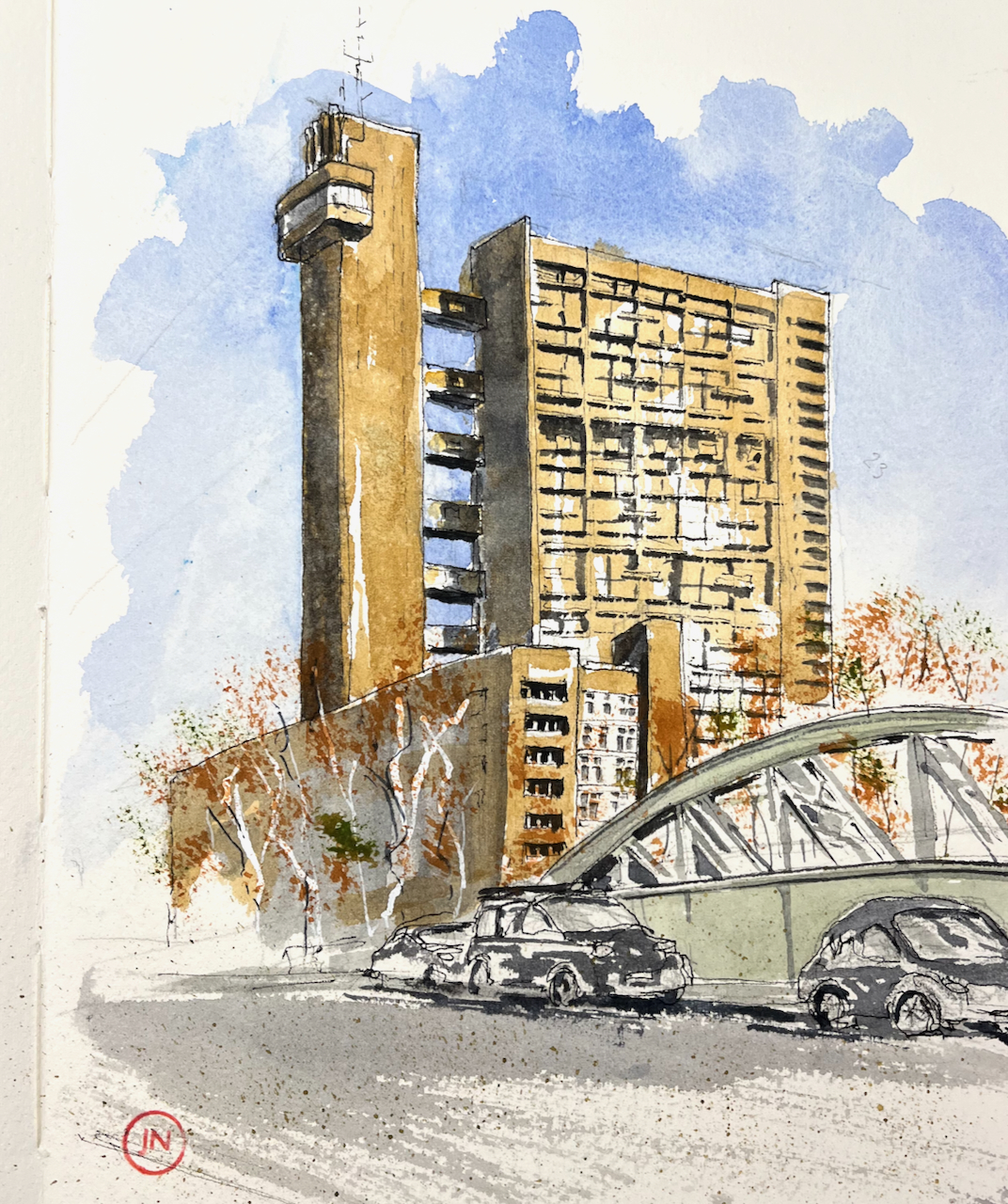
Here is the magnificent Trellick Tower in West London.
Trellick Tower from the Golbourne Road, London W10. Sketched 28 November 2023 in Sketchbook 13
This tower is 271 flats, 31 stories, completed in 1972 to the design of Ernő Goldfinger (note 1). It is in the Royal Borough of Kensington and Chelsea, near the Grand Union Canal and the A40 trunk road out of London. It is Grade II* listed (note 2)
After sketching, I was really cold. I found warmth and excellent food in the Sicilian Café “Panella” shown on the map above, recommended!
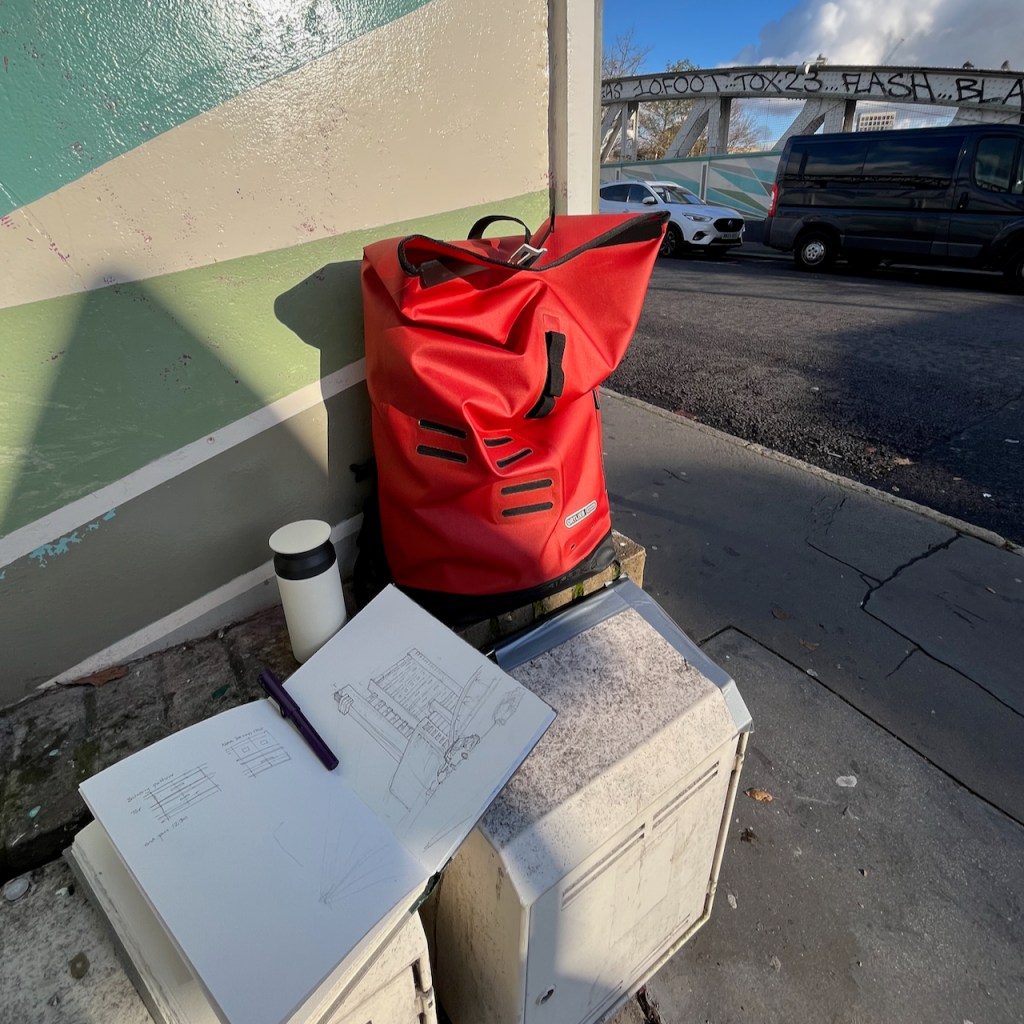
Panella – Golborne RoadSketching locationA bright and cold daythe base of the Trellick TowerSketchbook spread: Trellick Tower
I have previously sketched the Balfron Tower in East London, also designed by Ernő Goldfinger.
I was intrigued by this juxtaposition of two very different buildings, each radical in its own way. The top corners are just a few feet from each other.
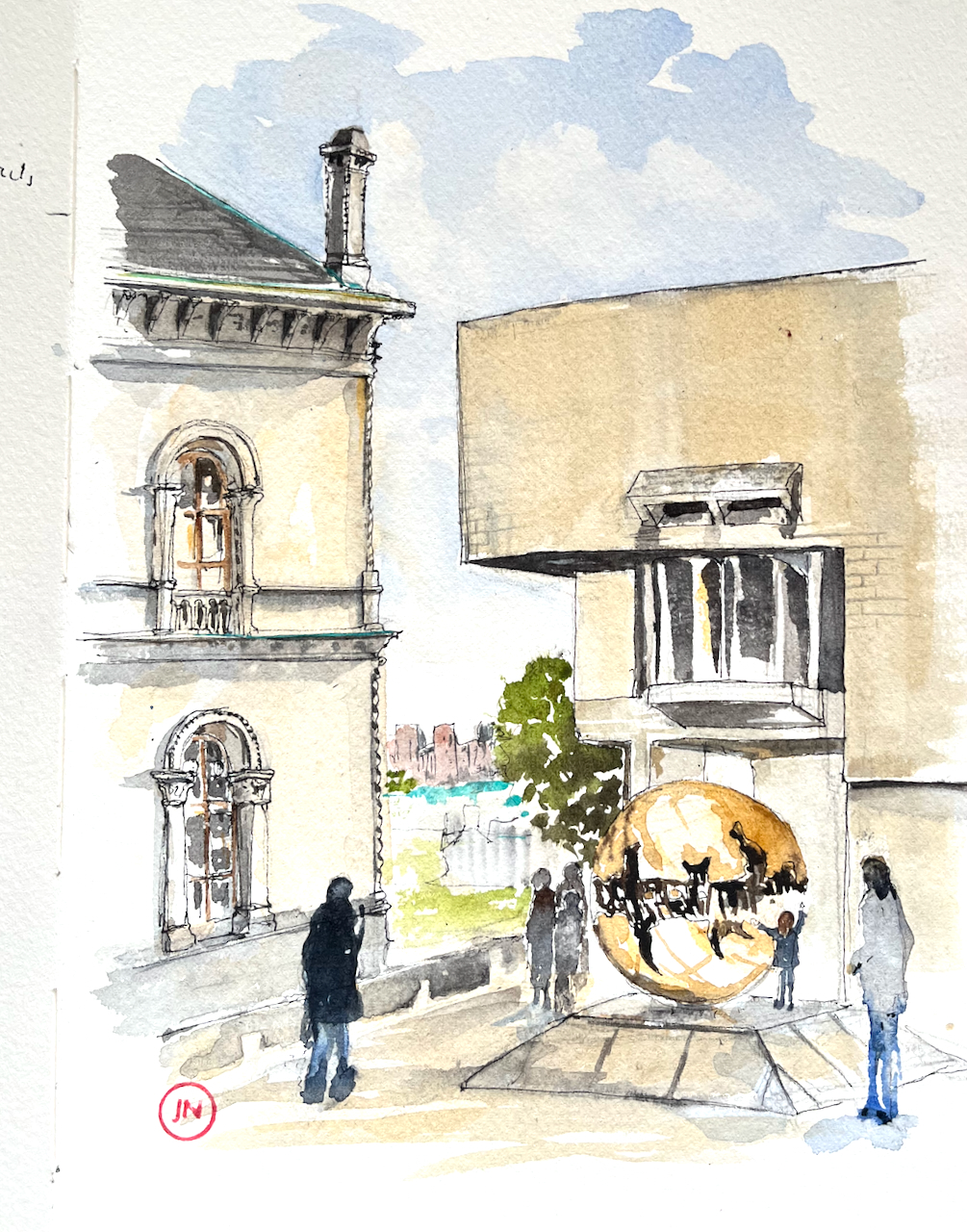
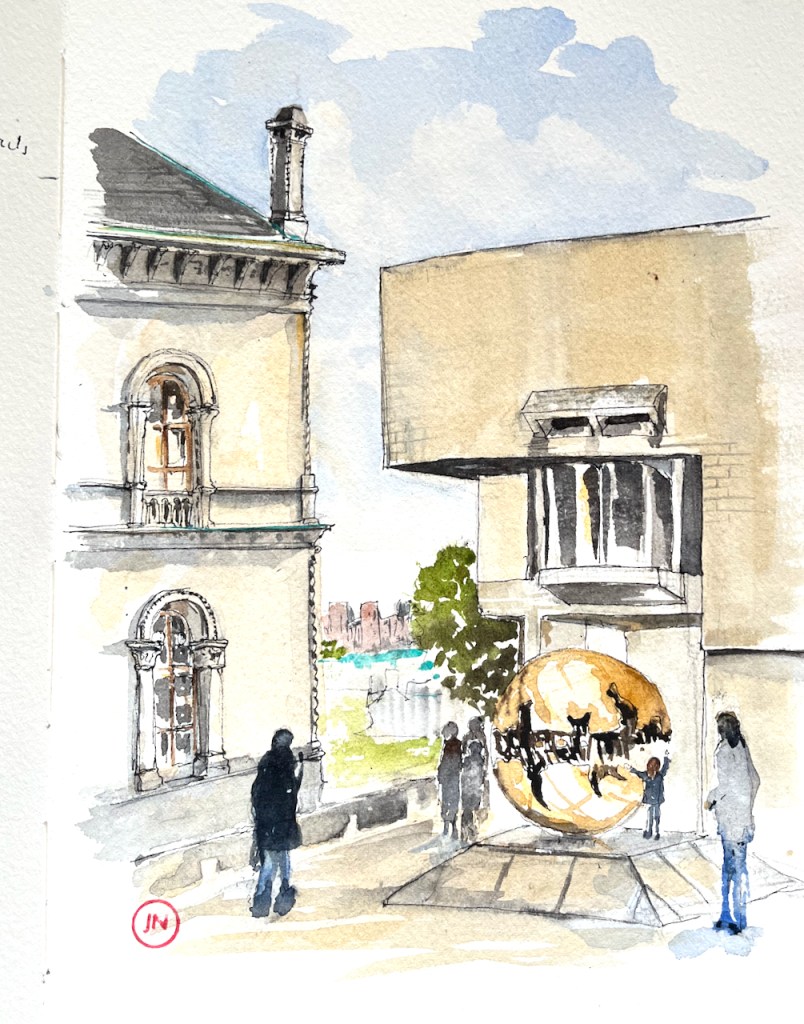
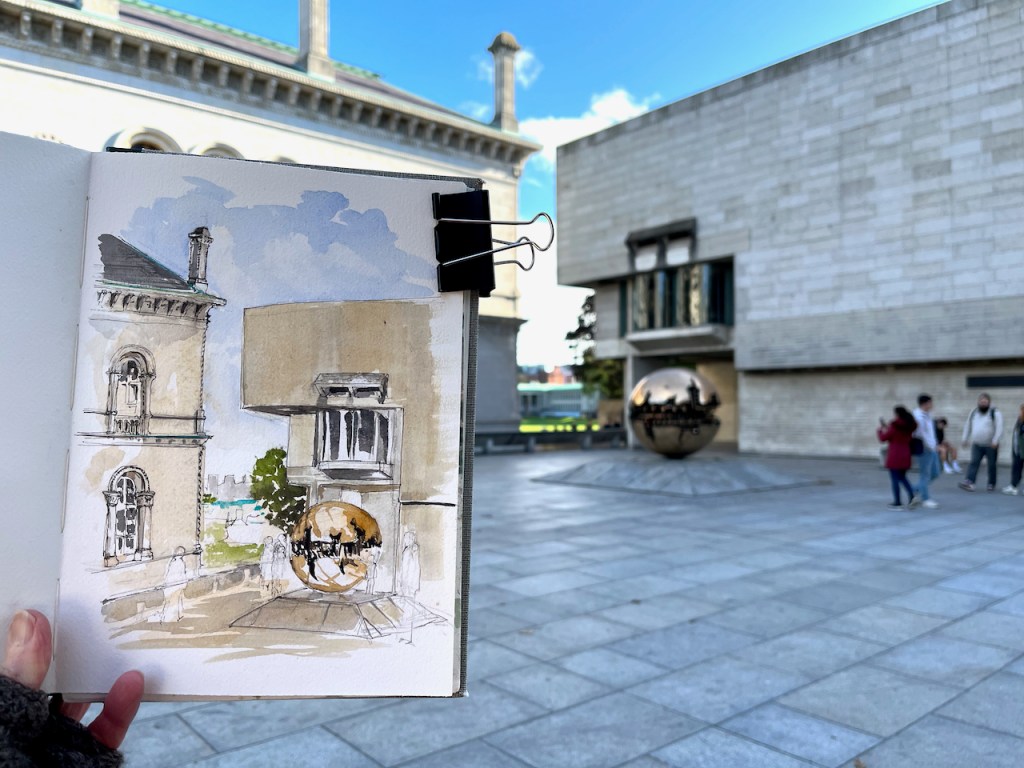
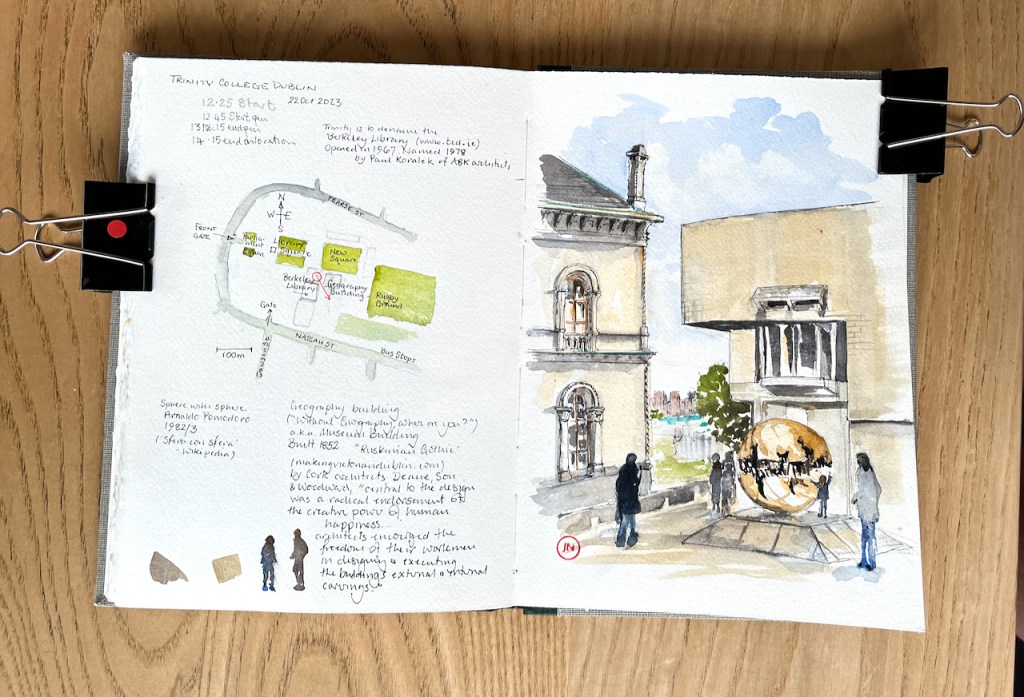
A corner of Trinity College Dublin: Museum Building on the left, Library on the right with “Sphere with Sphere” in front. October 22nd 2023, in Sketchbook 13
The building on the left is called the Museum Building. It houses the Geography department, amongst others. I know this because there was a notice visible in one of its windows asking:
“Without Geography, where are you?”
This building was finished in 1852. According to the website “makingvictoriandublin.com” the style is called “Ruskinian Gothic”. The design is by Cork architects Deane, Son and Woodward, influenced by the philosophies of the English writer, artist and art critic John Ruskin, says the Making Victorian Dublin site.
Central to the design was a radical endorsement of the creative power of human happiness…the architects encouraged the freedom of their workmen [sic] in designing and executing the building’s external and internal carvings.
The external and internal carvings are very complex combinations of leaves and flowers. A notice inside the building tells us that all the building’s carvings are by brothers John and James O’Shea of O’Shea and Whelan and that they gathered wild flowers and animals (amazingly) to use as models.
Even as the Museum Building was being built the Dublin press recognised it as the first experiment in British and Ireland of Ruskin’s radical views – a clear demonstration of the ‘the desireableness of employing the minds of the workmen’.
This experiment’, wrote the reviewer in the Dublin Express, ‘proves the general correctness of [Ruskin’s] views, and, moreover, has resulted far better than even the most sanguine advocates of this system had allowed themselves to expect.’
The whole building is influenced by Venetian designs observed by John Ruskin.
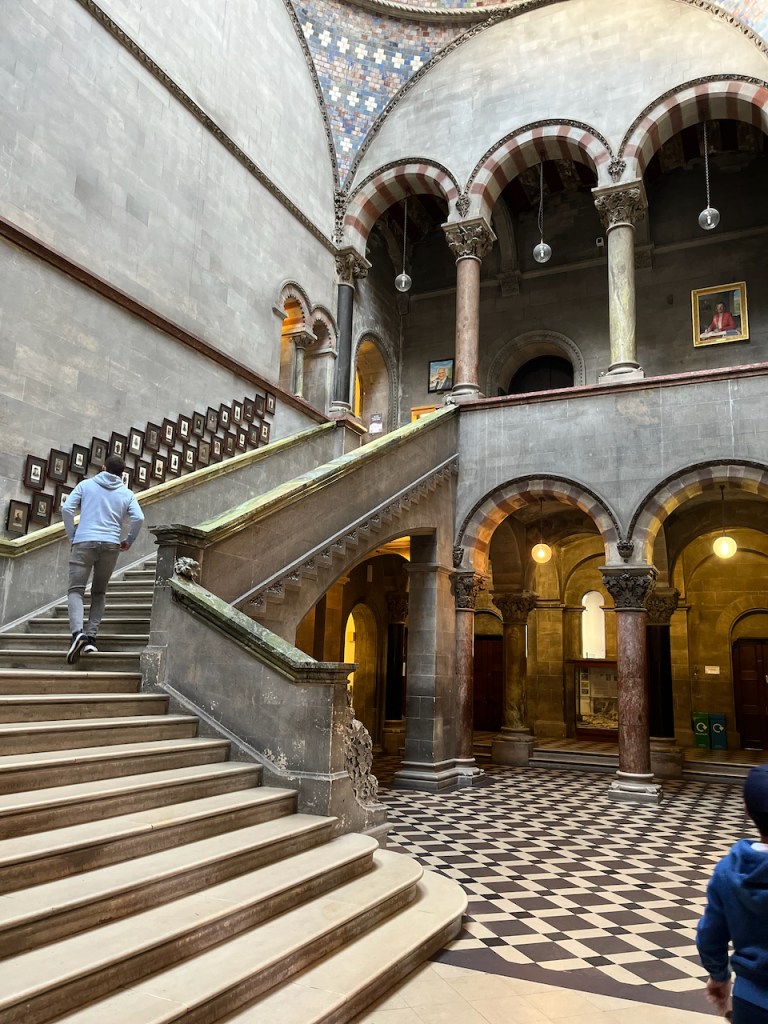
The inside of the building is spectacular. As well as the soaring architecture and the fascinating patterns and arches, there are also two skeletons of elks, some dinosaur footprints, and a model of a floating crane boat. You could spend hours there sketching.
Museum Building, Trinity College Dublin, interior, 22 October 2023.
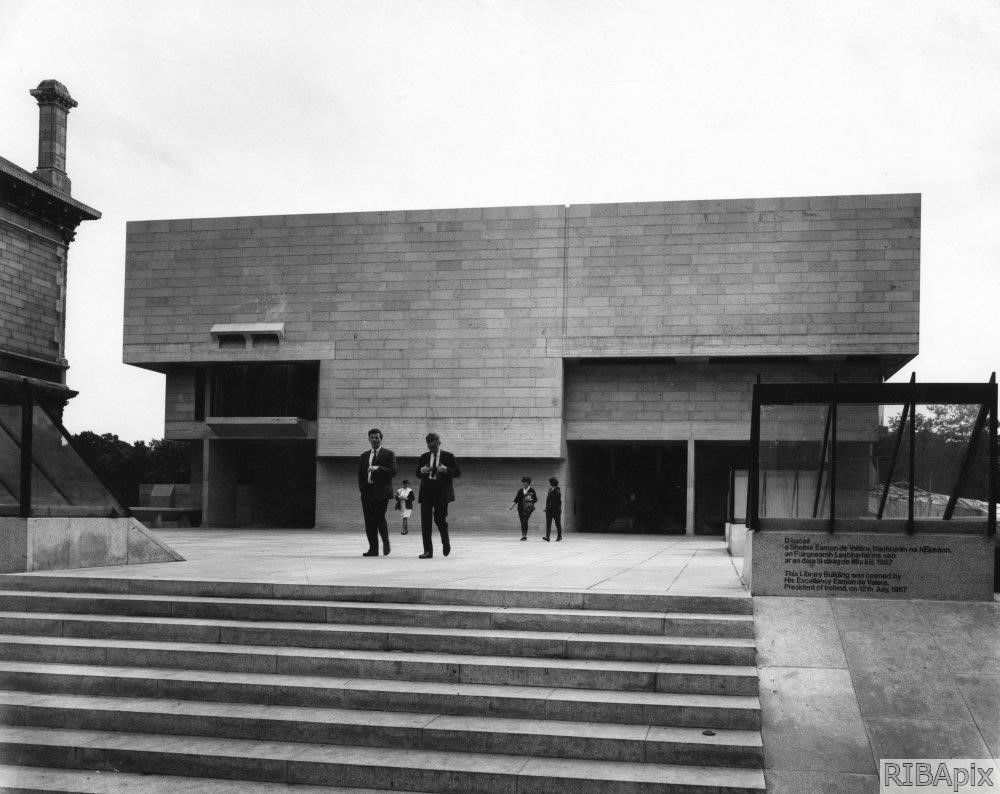
The building on the right of my drawing is a library, opened in 1967. It is in the radical style of that period: the Brutalist style. The building’s clean lines and functional appearance are characteristic of this style. The architect was Paul Koralek of ABK architects.
The library in 1967: Berkeley Library, Trinity College, Dublin: the entrance front and raised forecourt. Photo credit: Architectural Press Archive / RIBA Collections. [RIBA51354] Used with permission.
In 2017 the College ran a celebration of the library after 50 years. Their website includes pictures of the interior and furnishings. https://www.tcd.ie/library/berkeley
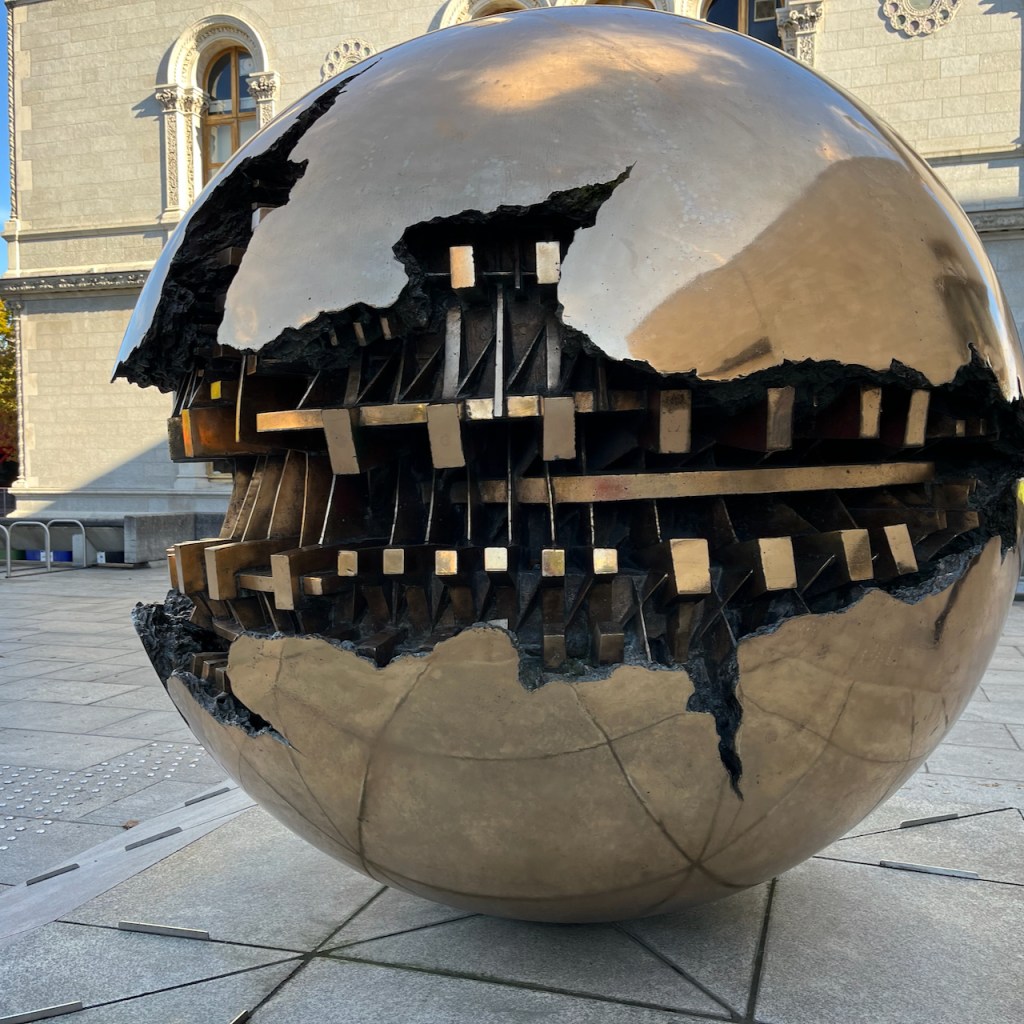
Two buildings talking to each other“Sphere with Sphere”
The spherical object in my drawing is a sculpture by Arnaldo Pomodoro called “Sphere with Sphere 1982/3” according to an inscription on the pavement.
I sketched for about an hour and a half. During that time waves of people crossed the square. There were a remarkable number of tourists, some with tour guides, moving in groups.
At one point, a solitary woman approached me and asked to see the picture. She smiled and said something in her own language which sounded like a compliment. So I said thank you, and smiled back. She told me that she didn’t speak English, and held up four fingers, counting, to explain she had only been here for four days. She was from Ukraine, she said. Her hands modelled an aeroplane taking off and landing. A wide uplifted arm gesture took in the autumn sun, the buildings and the people, expressing gladness to be here. She pointed at my drawing, and nodded again, making what was evidently a positive comment and a connection. Then she said goodbye and I said goodbye.
Sketching locationSketchbook 13
Colours used:
Buff titanium (all brickwork and concrete)
Mars Yellow (brickwork, concrete, sphere
Ultramarine Blue plus Lavender (sky)
Ultramarine Blue plus Burnt Umber (all greys)
Serpentine Genuine (trees)
a small bit of Cobalt Teal Blue and Fired Gold Ochre in the background
All Daniel Smith watercolours except the Ultramarine Blue which is Horadam watercolour.
Click a button below to share this post online, email it, or print it:
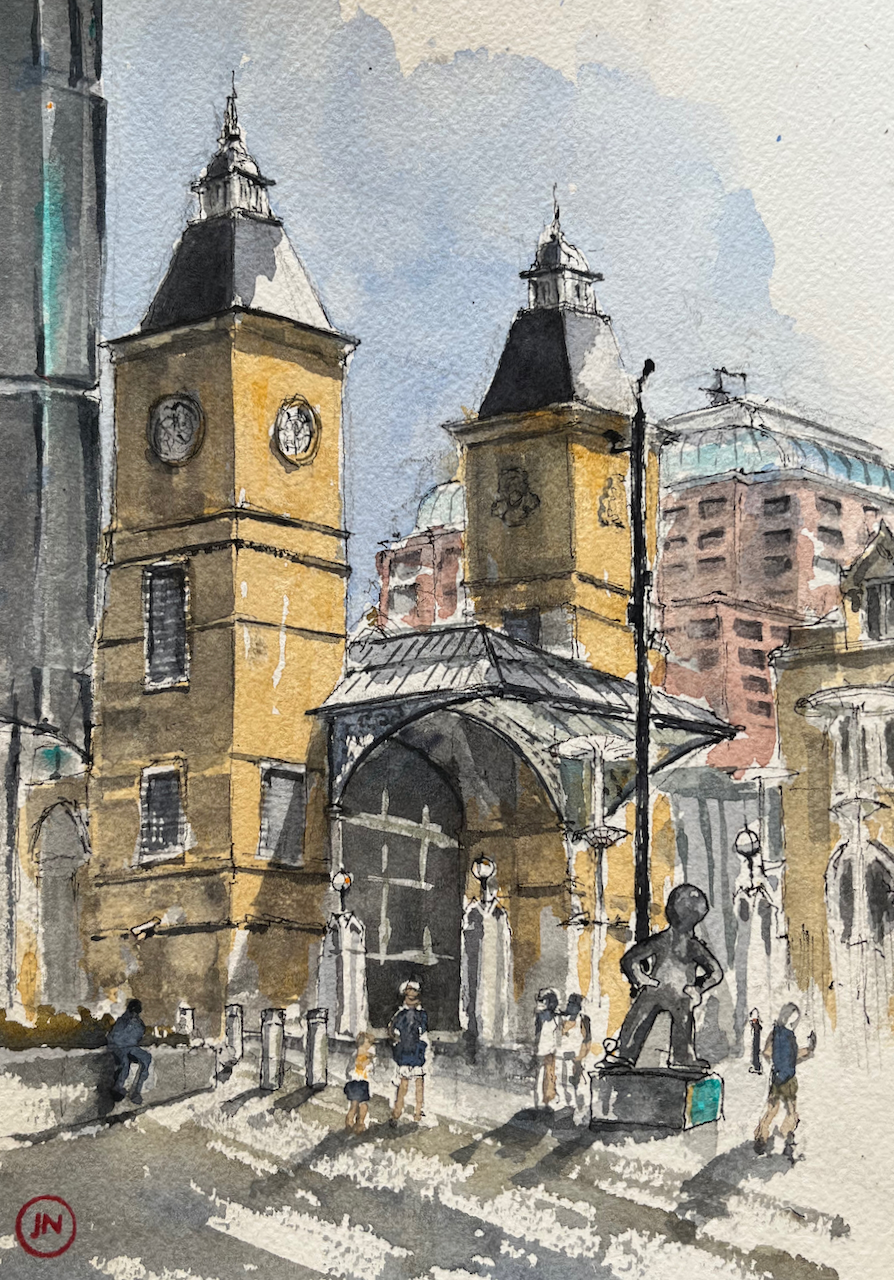
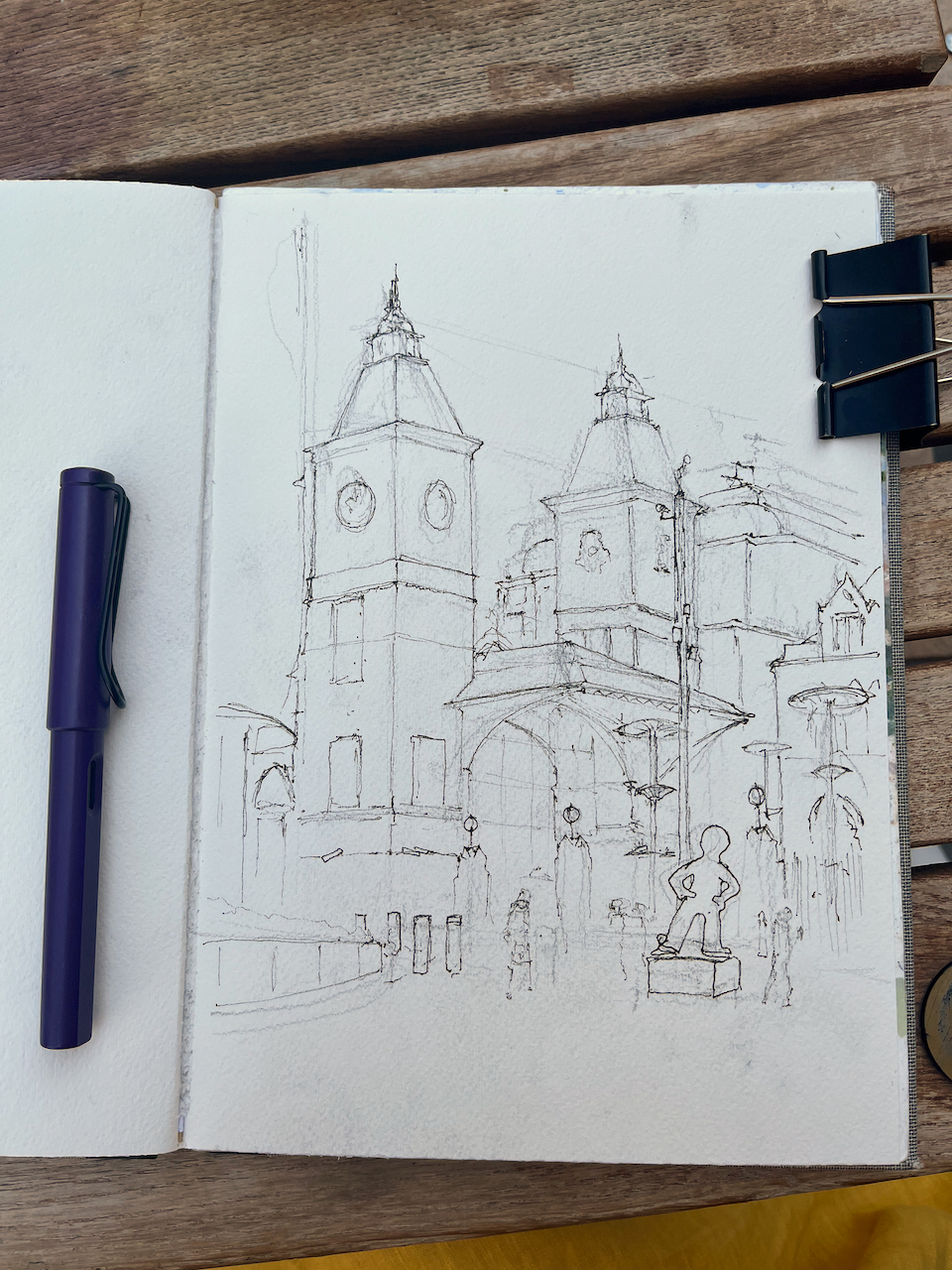
Here is Liverpool Street Station, main entrance, sketched today from outside the “Railway Tavern”.
Liverpool Street Station, 25th June 2023, 1pm. 8″ x 10″ in sketchbook 13.
The humanoid figure on the plinth is Morph, part of a temporary art trail.
The area in front of the main entrance is like an art installation in itself, a collector’s assembly of street furniture: two different types of bollards, long ribbons of fencing, several species of street lamps, and that enormous CCTV stand which is just behind Morph. It’s surprising that people can find their way into the station in amongst the obstacles. I haven’t drawn them all.
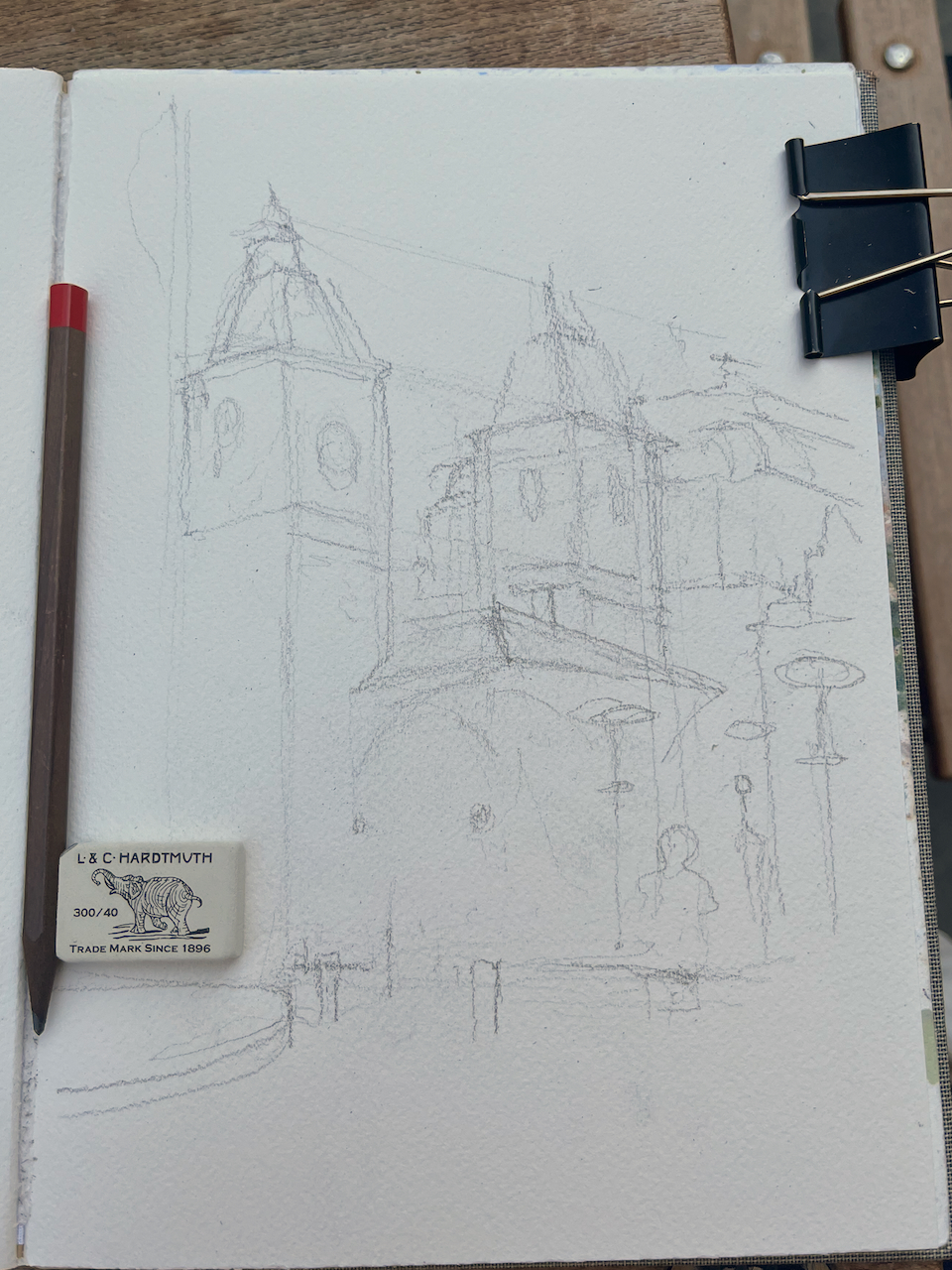
Here’s work in progress on the sketch:
PencilPenThe viewColour
This section of Liverpool Street Station was built in 1875 as the new London terminus of the Great Eastern Railway. The building on the right of my drawing is the edge of the former Great Eastern Hotel (1884), now the Andaz London Liverpool Street. The pink building in the background is an office block on Bishopsgate.
Map: (c) OpenStreetMap ContributorsSketch map
I’ve sketched in this area before. This post contains more information about the history of Liverpool Street:
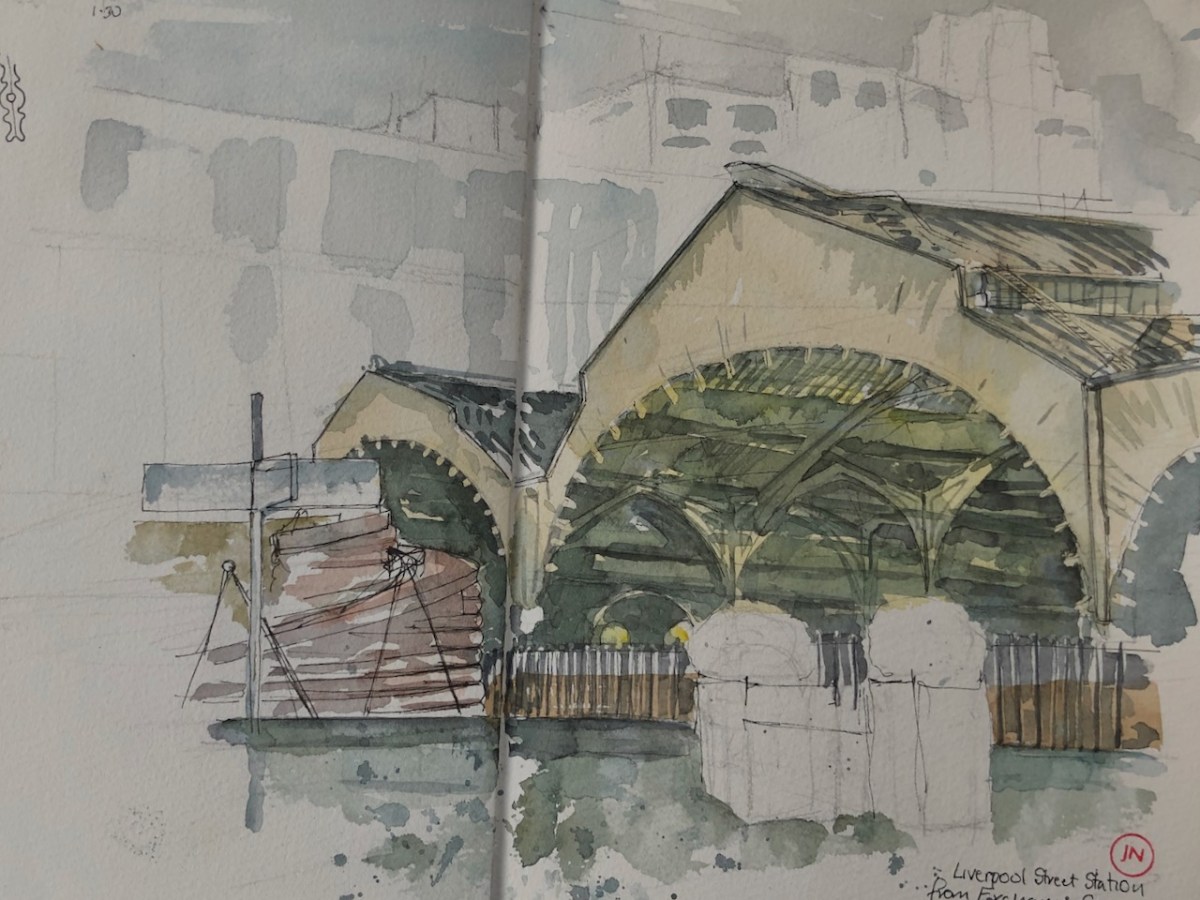
Here are the magnificent 19th Century arches of Liverpool Street Station, seen from Exchange Square. Liverpool Street Station opened in 18751 Now the question is: what curve is that arch? I thought it might be a CYCLOID. A cycloid is the shape made by a dot on the edge of a rolling wheel. I made…
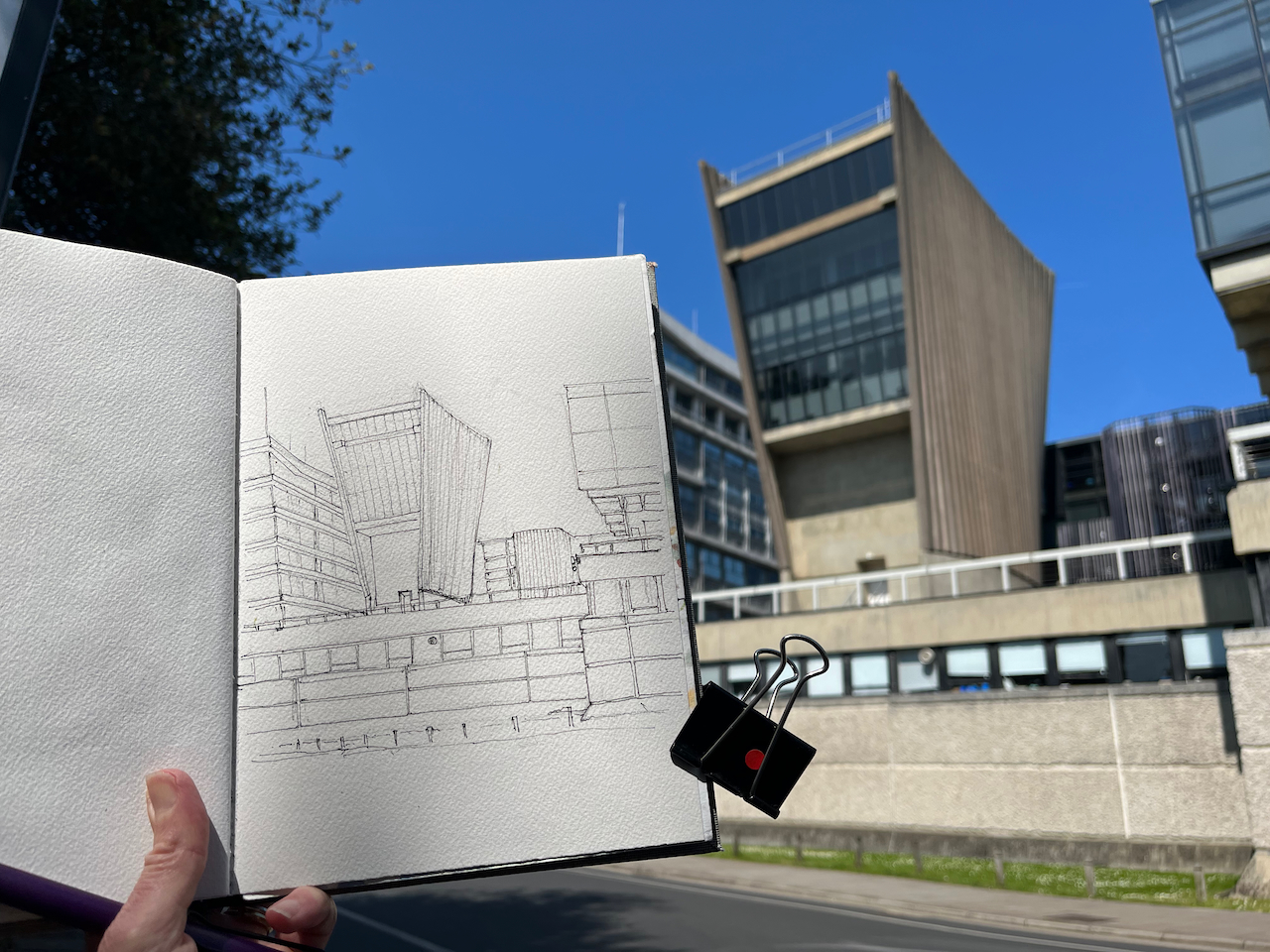
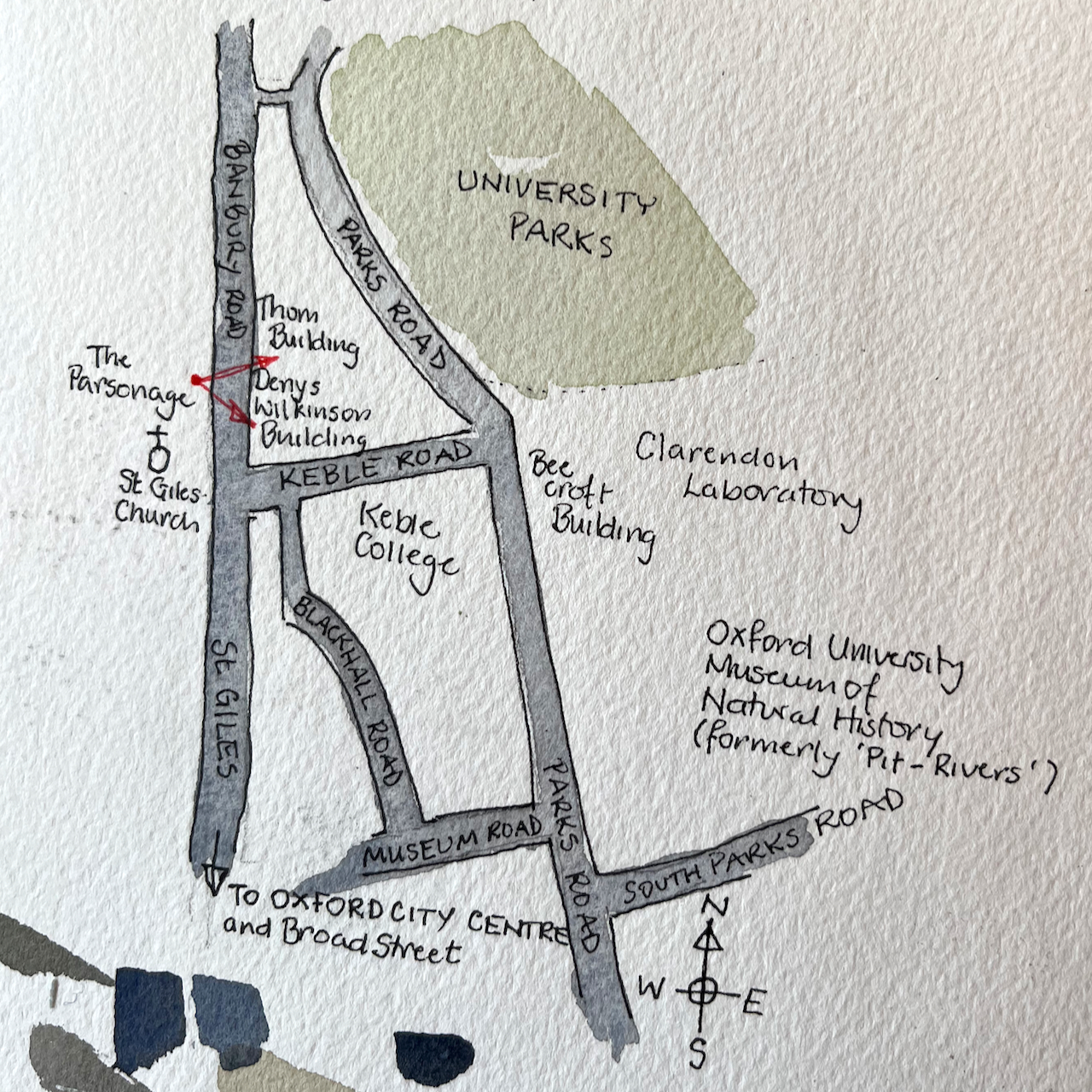
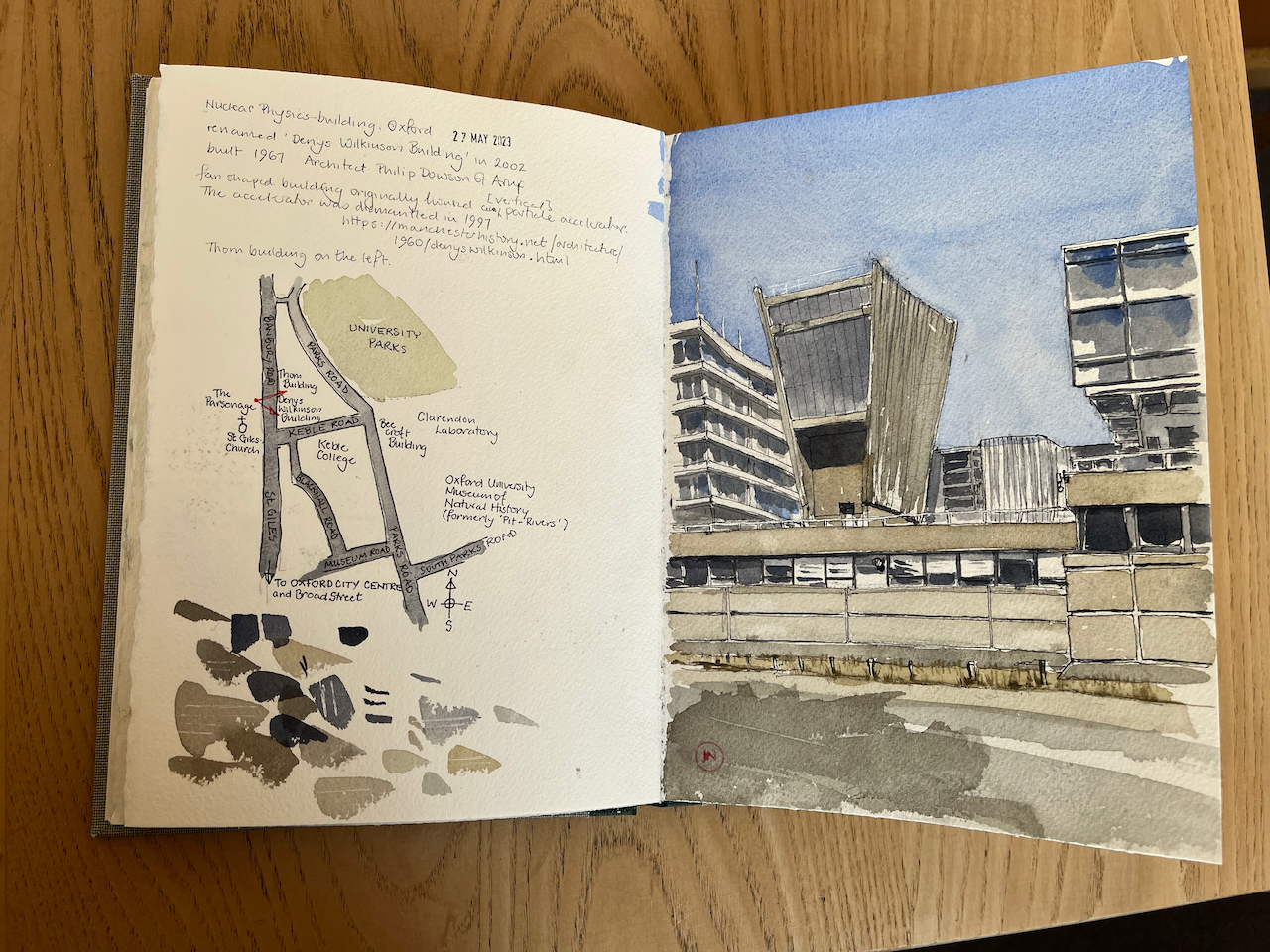
Here is the University of Oxford Nuclear Physics building, seen from the Banbury Road.
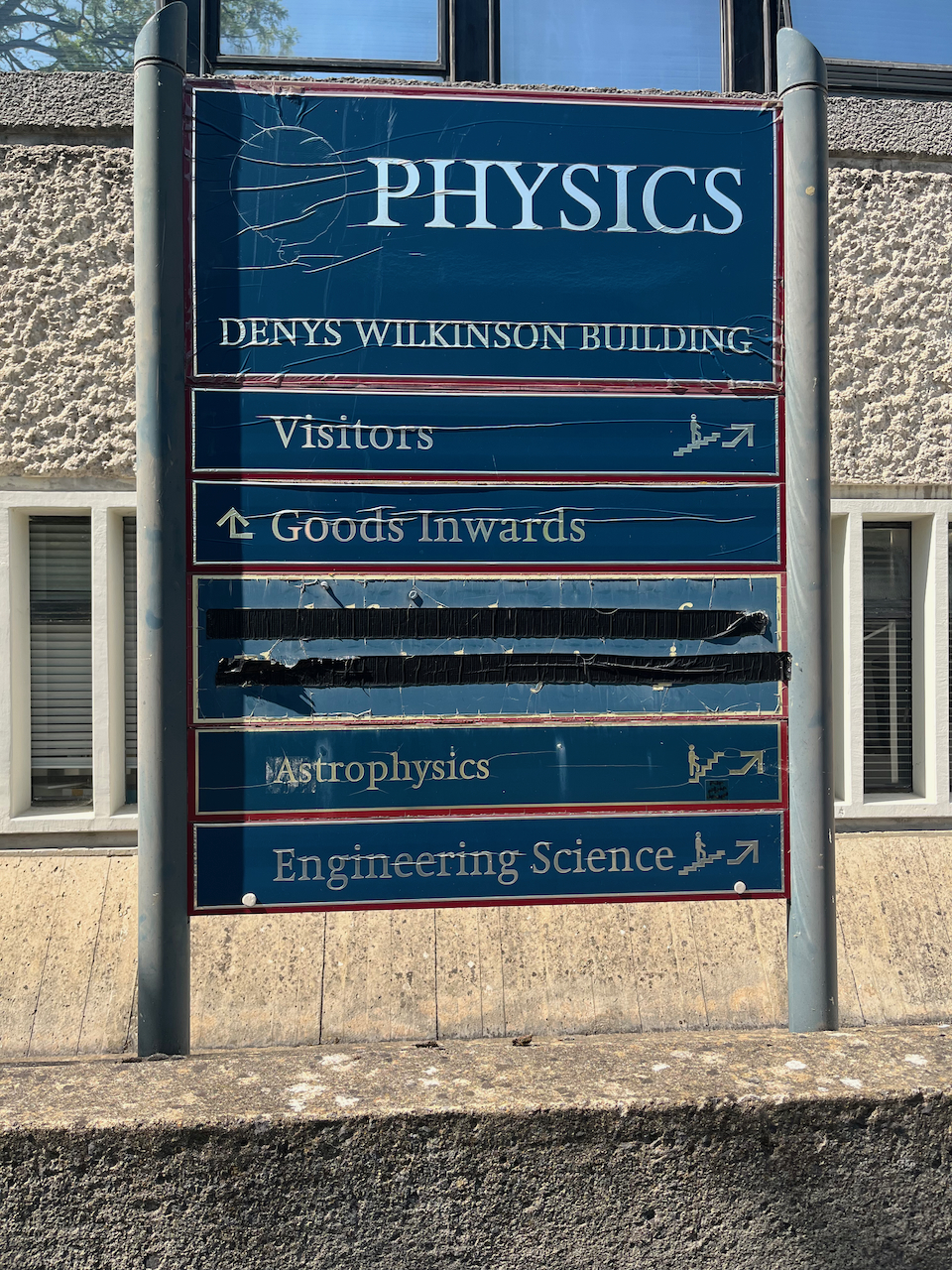
The Nuclear Physics building, now the Denys Wilkinson building, University of Oxford. Sketched 27 May 2023, in Sketchbook 13
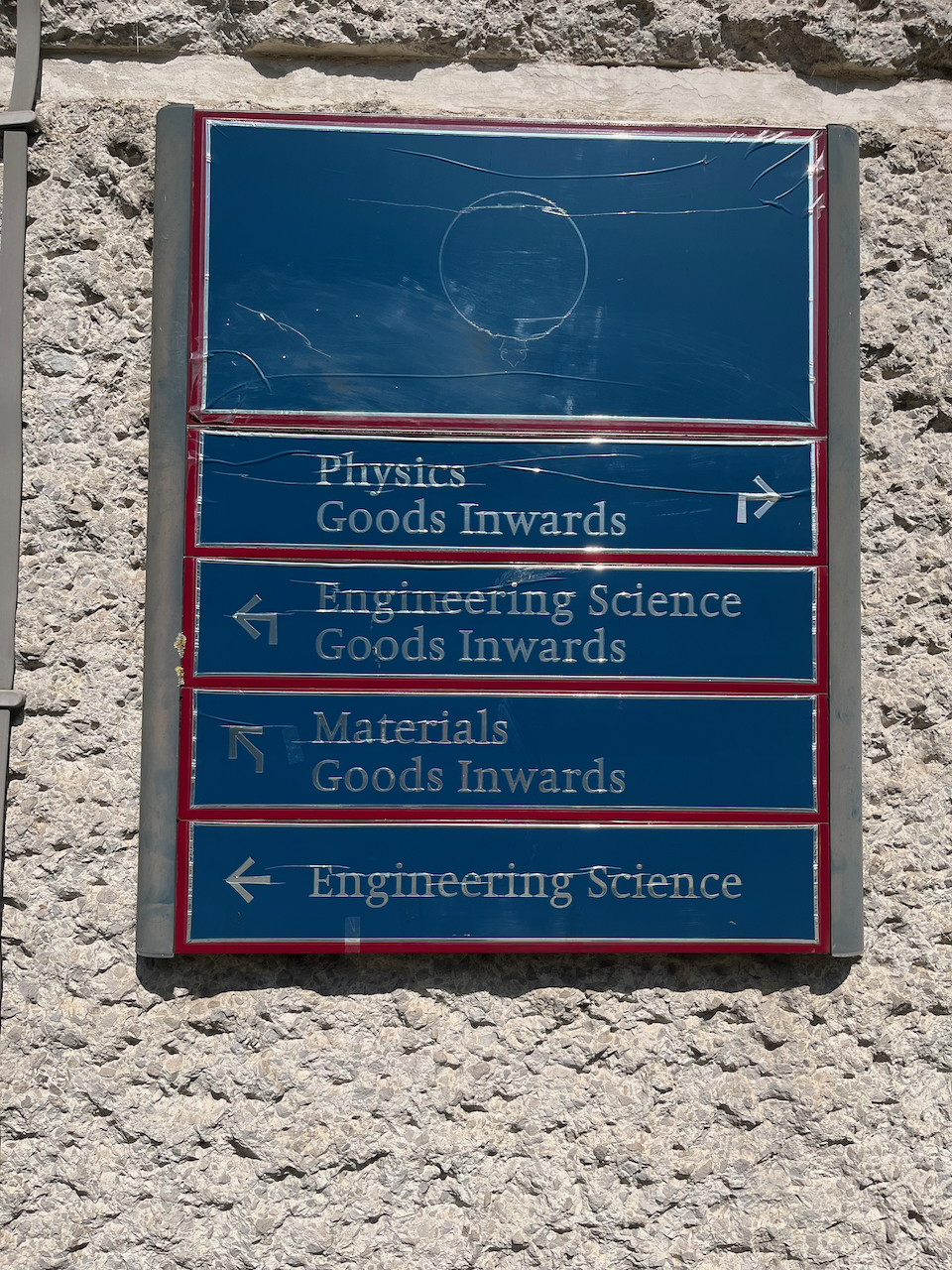
The building was renamed the “Denys Wilkinson Building” in 2002. It was built in 1967 to the designs of architect Philip Dowson of Arup. The fan-shaped structure originally housed a Van der Graff particle accelerator, now dismantled. [https://manchesterhistory.net/architecture/1960/denyswilkinson.html]
Professor Wilkinson (1922-2016) was the Head of the Nuclear Physics Department from 1962-1976.
The building on the left is the “Thom Building” which houses the Engineering Department. This building had a marvellous “paternoster” lift in the 1970s. (Note 1). This is a lift with single compartments, which operates in a continuous loop, like rosary beads, hence the name. You simply stepped into one of the slowly moving compartments and were carried up or down.
Here is work in progress on the drawing:
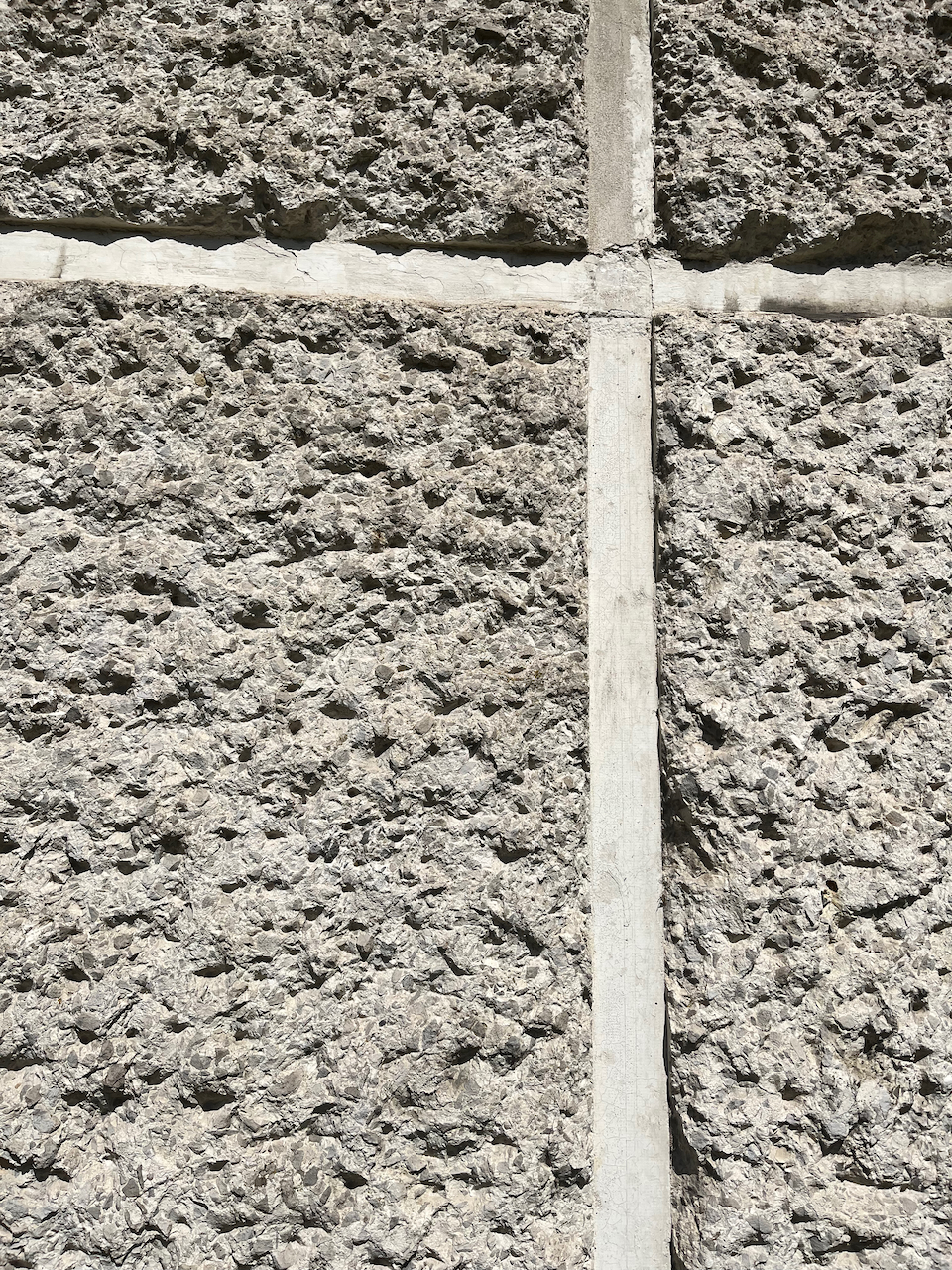
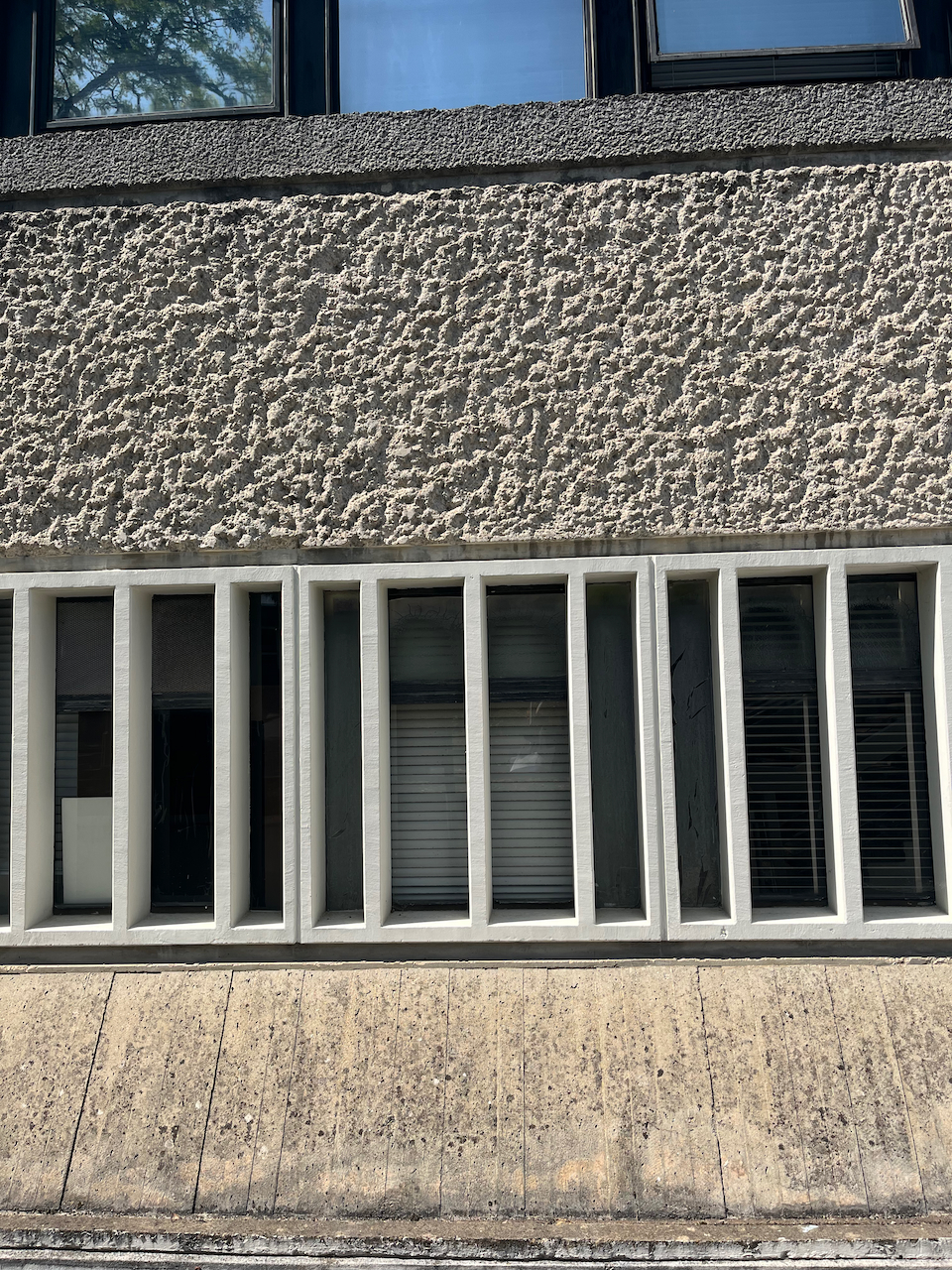
The fan-shaped structure is a rare example of brutalism in Oxford. St Catherine’s College is another example.
Ought we to treat the Denys Wilkinson building and St. Catherine’s College as a celebrated chapter in Oxford’s aesthetic history, or as evidence of a period better forgotten?
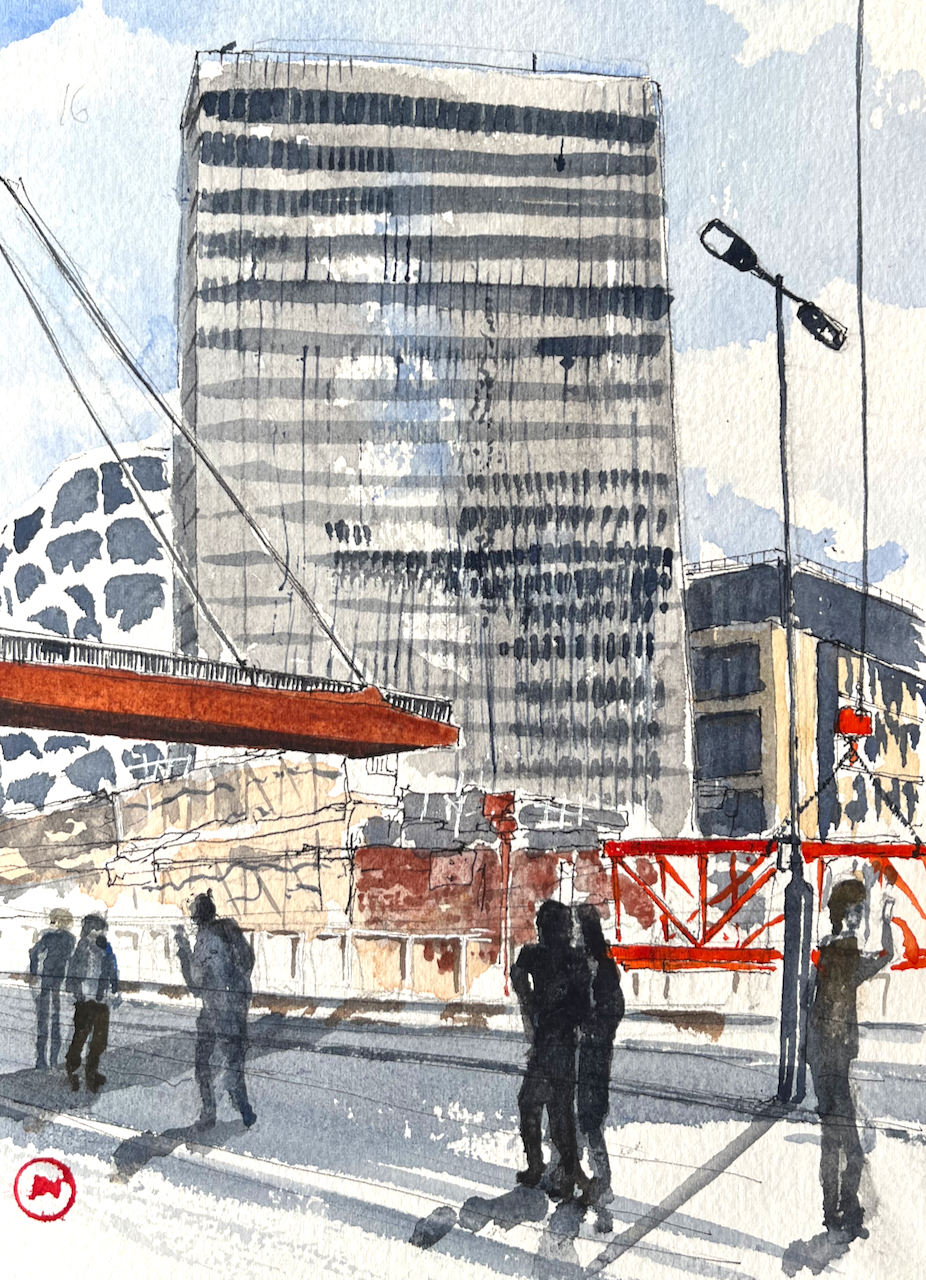
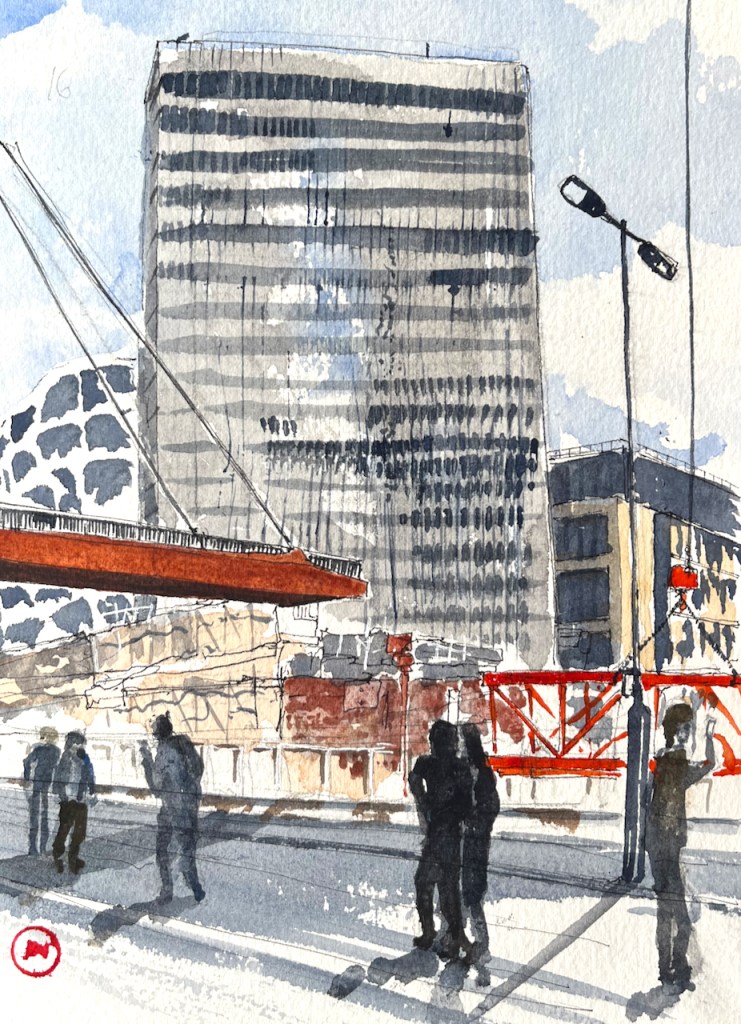
Here is an amazing sight: the hanging bridge over London Wall.
London Wall, hanging bridge. 24 May 2023, about 1pm, 7″ x 10″ in Sketchbook 13
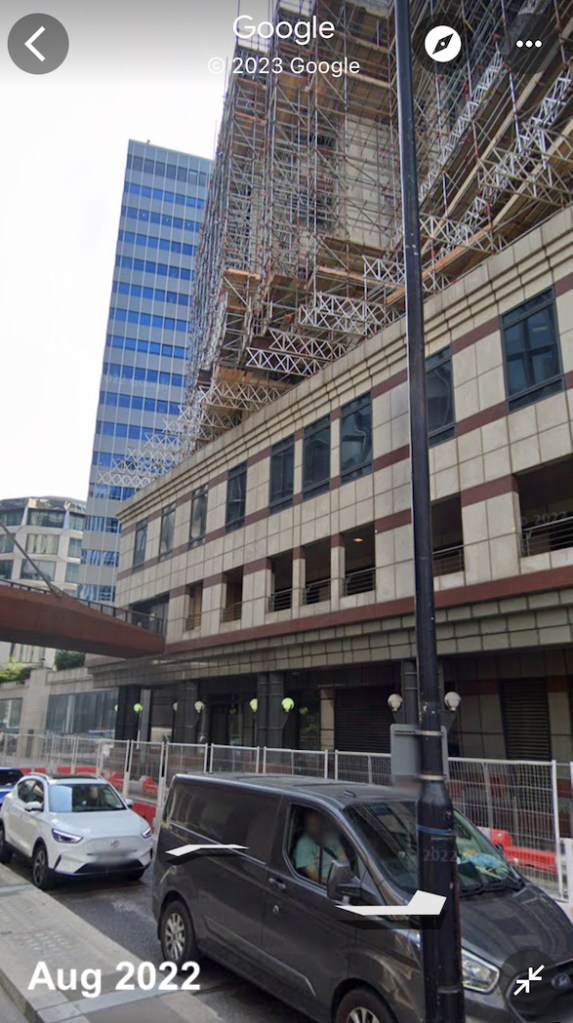
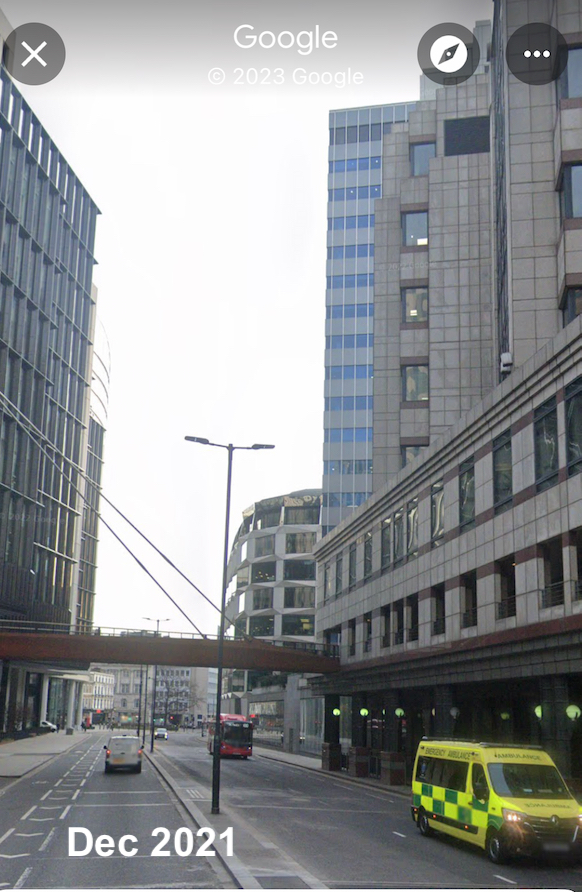
The large building in the centre of the picture is City Tower, 40 London Wall. In front of it is a demolition site where City Place House used to be. The bridge used to connect to City Place House. Now this building has gone, the bridge hangs in space.
In my previous drawing I sketched while listening to the guitar music of Hidè Takemoto. For this drawing, the acoustic accompaniment was mostly percussion. The building site was active. Spasmodic grinding and crashing signalled the removal of concrete. Metallic hammering came from scaffolding under construction.
The big red grid on the right of my picture was hauled upwards and out of sight before I finished drawing it. It was going to be part of a second crane. It arrived on a large lorry which would also have been in the picture if it had stayed still long enough. Immediately it arrived, workers secured chains to the red structure and it was manoeuvred off the lorry. Hardly anyone on the pavement paid any attention to all this thrilling activity across the road. One person, the slim figure to the right of my picture, stopped and took a selfie.
GoogleMaps allows us to travel not only in space but also in time. Here are some screengrabs so you can see the City Place House (on the right) which has now disappeared.
As you see, City Tower used to be obscured by City Place House. It will be obscured again when the next huge building goes up.
The bridge in the pictures above is the “new bridge”. It was installed as part of the London Wall Place development (off the picture to the left). The “old bridge” took a slightly different route. Again, GoogleMaps provides an image. Notice the previous lampposts, with the flying saucer lights.
The “old bridge” across London Wall, July 2008. City Place House, on the right, is the building which is now being demolished.
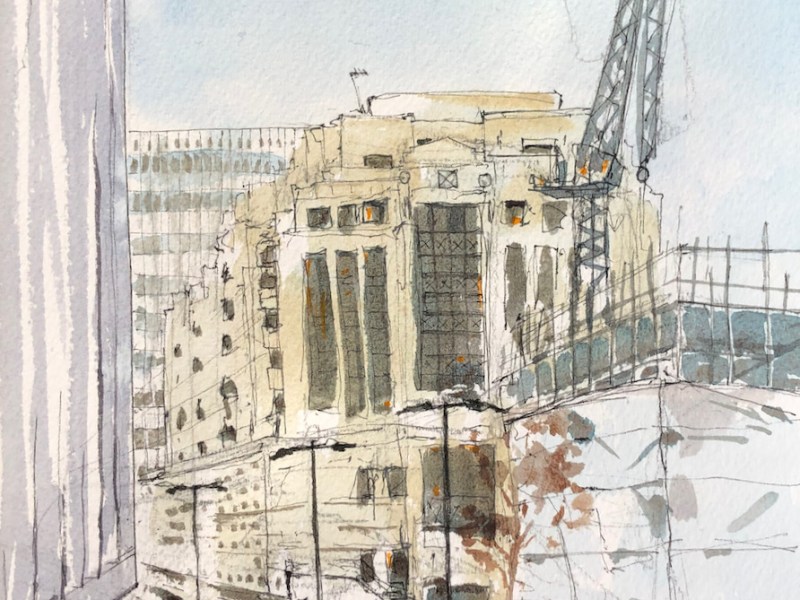
I sketched City Place House before it was demolished. This post (click below) gives information about the old building which has been demolished and the new building which is planned.
An email from an ever-vigilant neighbour alerted me to the Planning Application for City Place House and the adjacent tower, City Tower. This application is currently under consideration. I hastened to go and have a look at the buildings, before they get swathed in white plastic. City Tower has been there since 1967. It is…
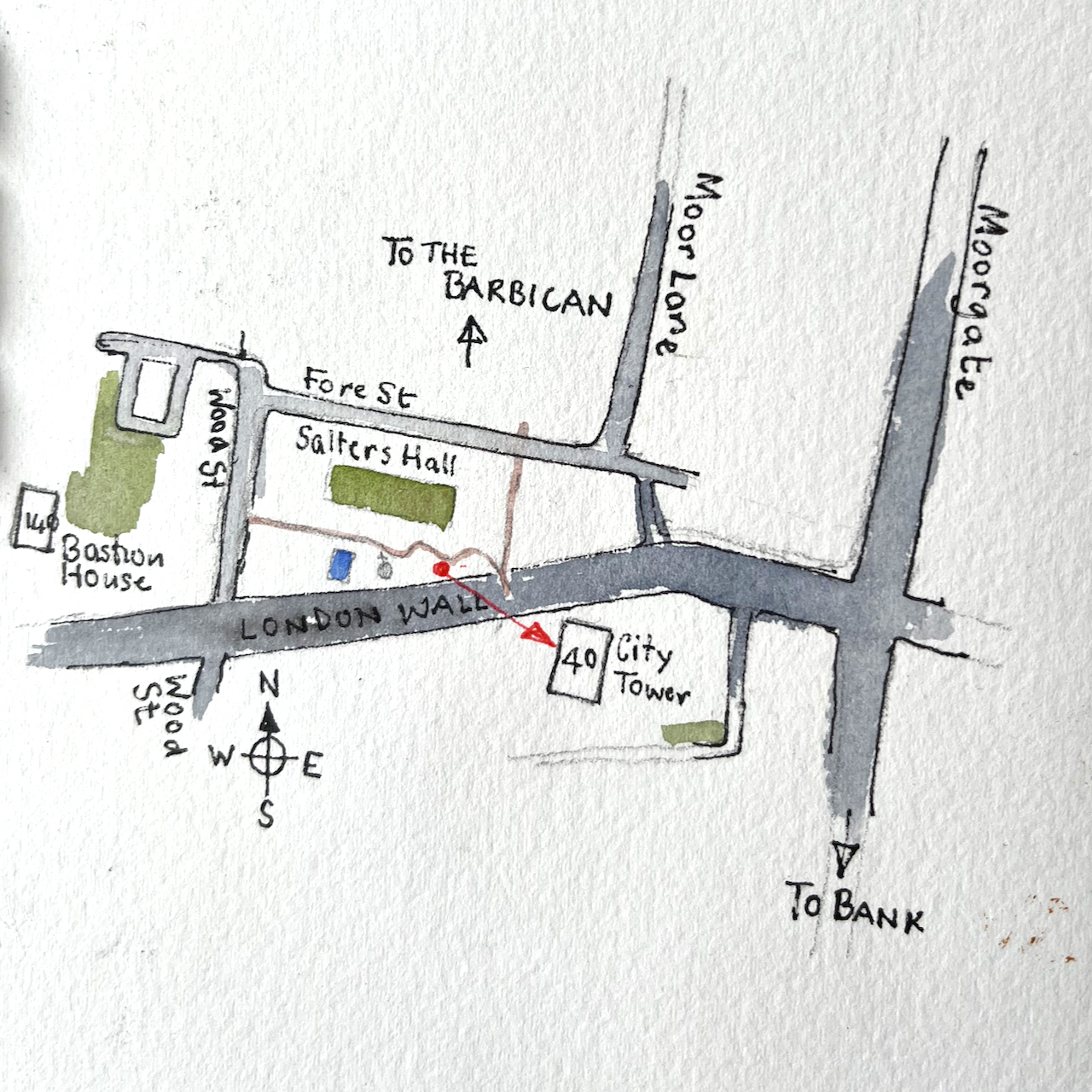
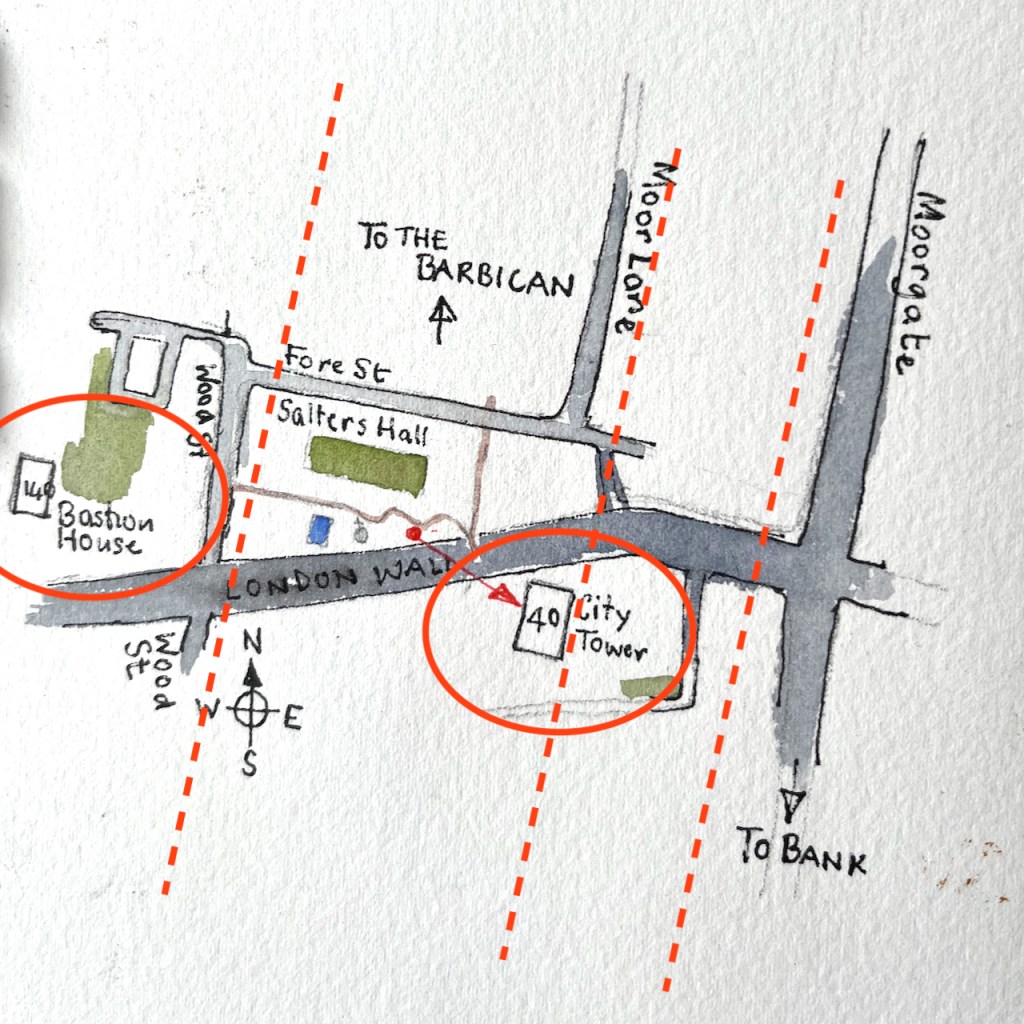
City Tower is not being demolished. This is of interest because its sister building Bastion House, constructed at the same time, is deemed “unsafe” by the City of London, and is scheduled for demolition to make way for the “London Wall West” project. It’s curious that City Tower is evidently not “unsafe” and is standing proud, in use into the future.
Map of the area where I sketchedCity House and Bastion tower, aligned with the street pattern.
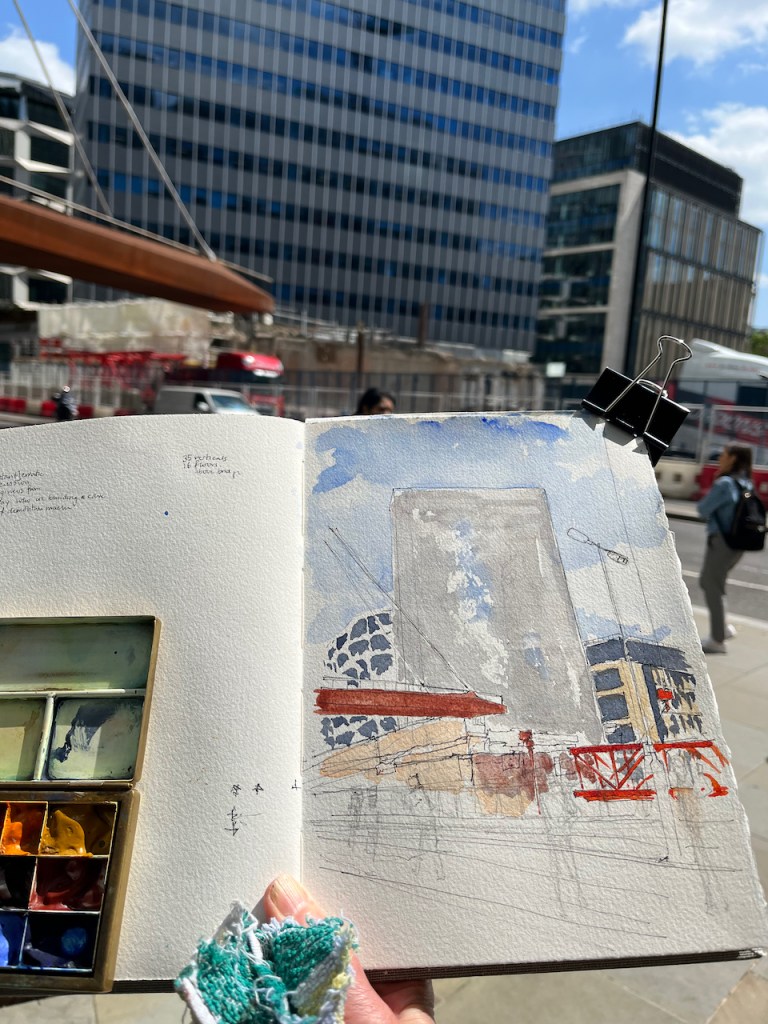
I made a special tool to draw the many windows on City Tower.
City Tower has 35 verticals. I made a special comb from cocktail sticks to scrape the paint into the required number of vertical lines.
The colours are:
Ultramarine Blue and Lavender for the sky.
All the greys are Ultramarine Blue and Burnt Umber
The bridge is Fired Gold Ochre, with some Transparent Pyrrol Orange
The red is Transparent Pyrrol Orange
Mars Yellow is on the distant building and the scaffolding plastic
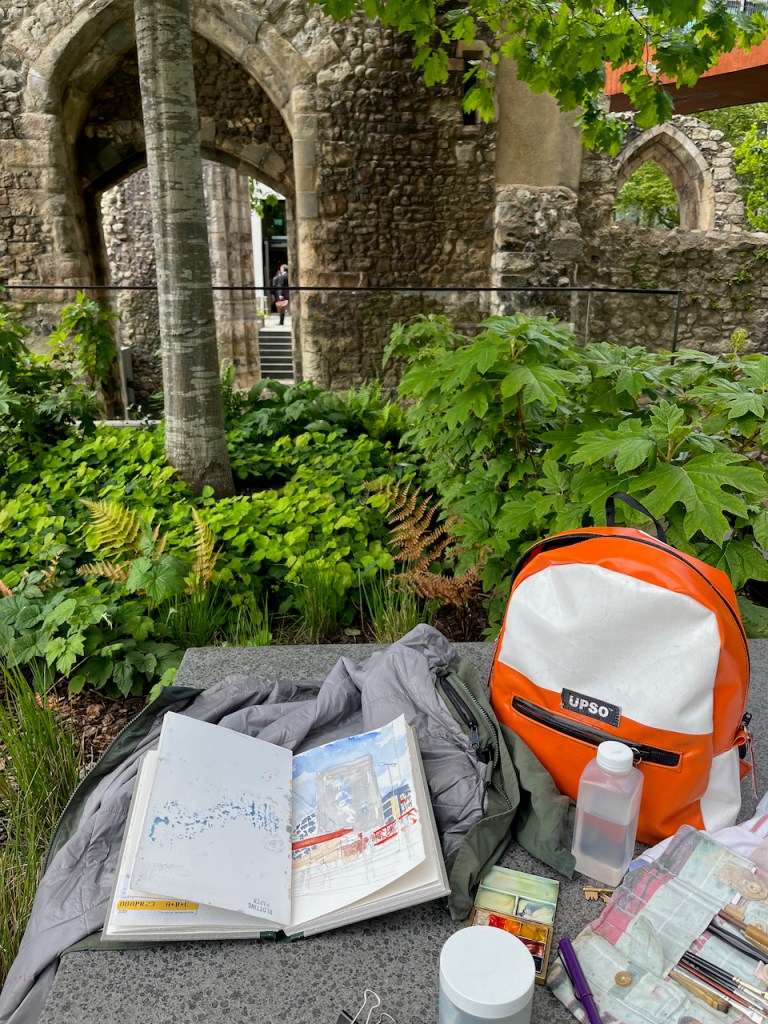
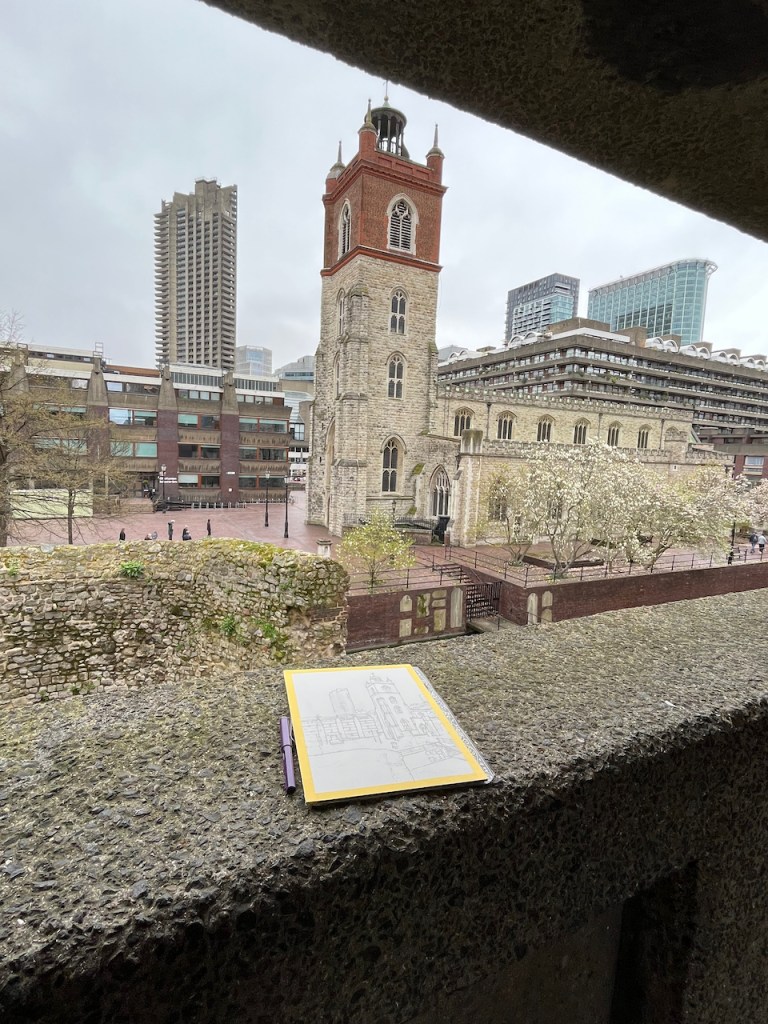
Sketching site: St Alphege Church in the background
I put down the first wash on site and finished the picture at my desk.
Click a button below to share this post online, email it, or print it:
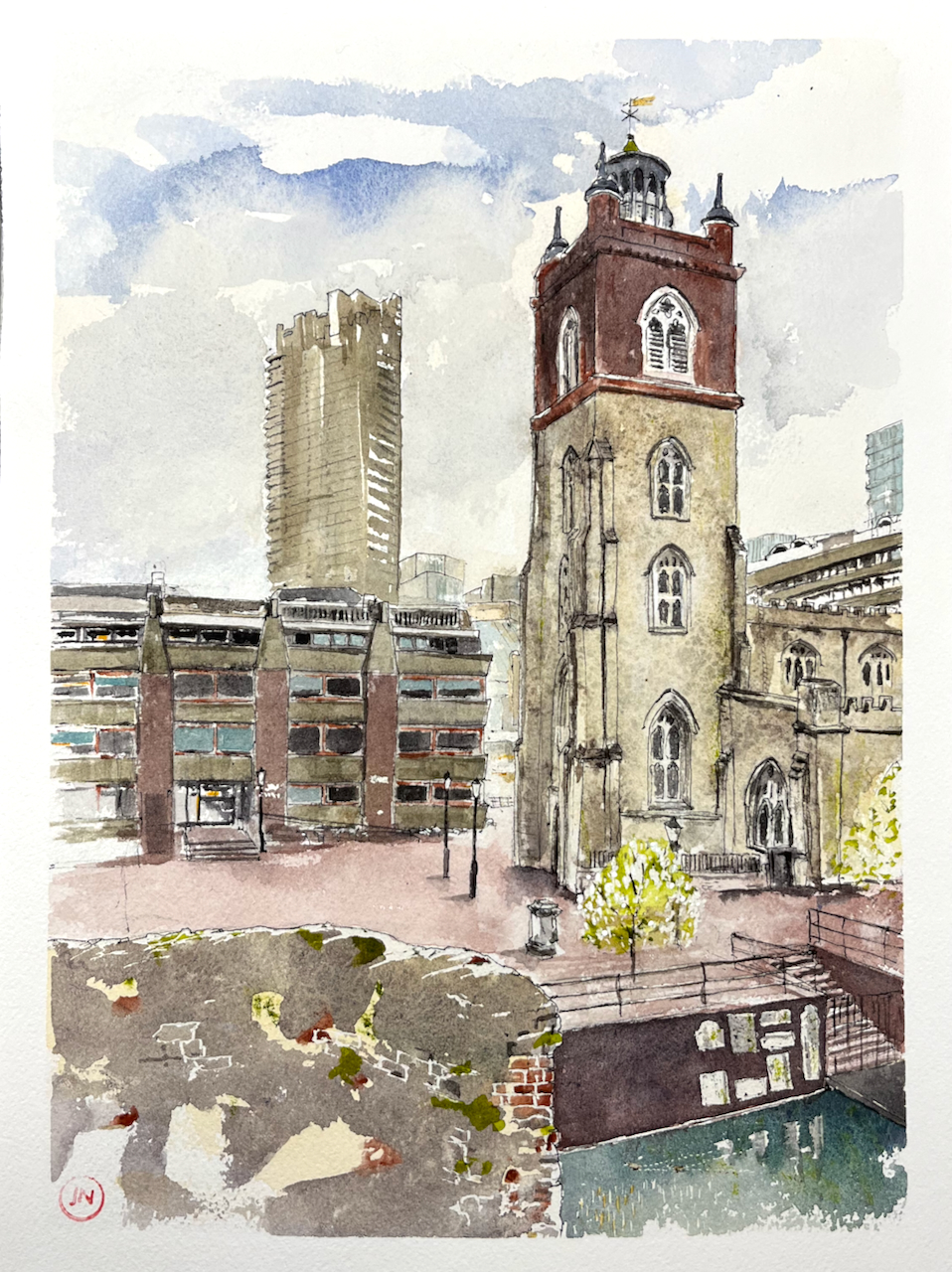
Here is St Giles’ Church, Cripplegate, seen from the public walkway at Wallside. The church is surrounded by the Barbican Estate. Cromwell Tower is in the background. The City of London School for Girls is the lower building, centre and left. Through the gap between the church and the school, you can just glimpse the Barbican Centre.
The magnolia was in bloom!
St Giles from Wallside, Barbican, 1 April 2023 12″ x 9″ [Commission]
I painted this as a commission, for some clients who wanted this particular view. A special request for this commission was that I showed two ducks. These are small, but they are there!
Ducks on the lake.
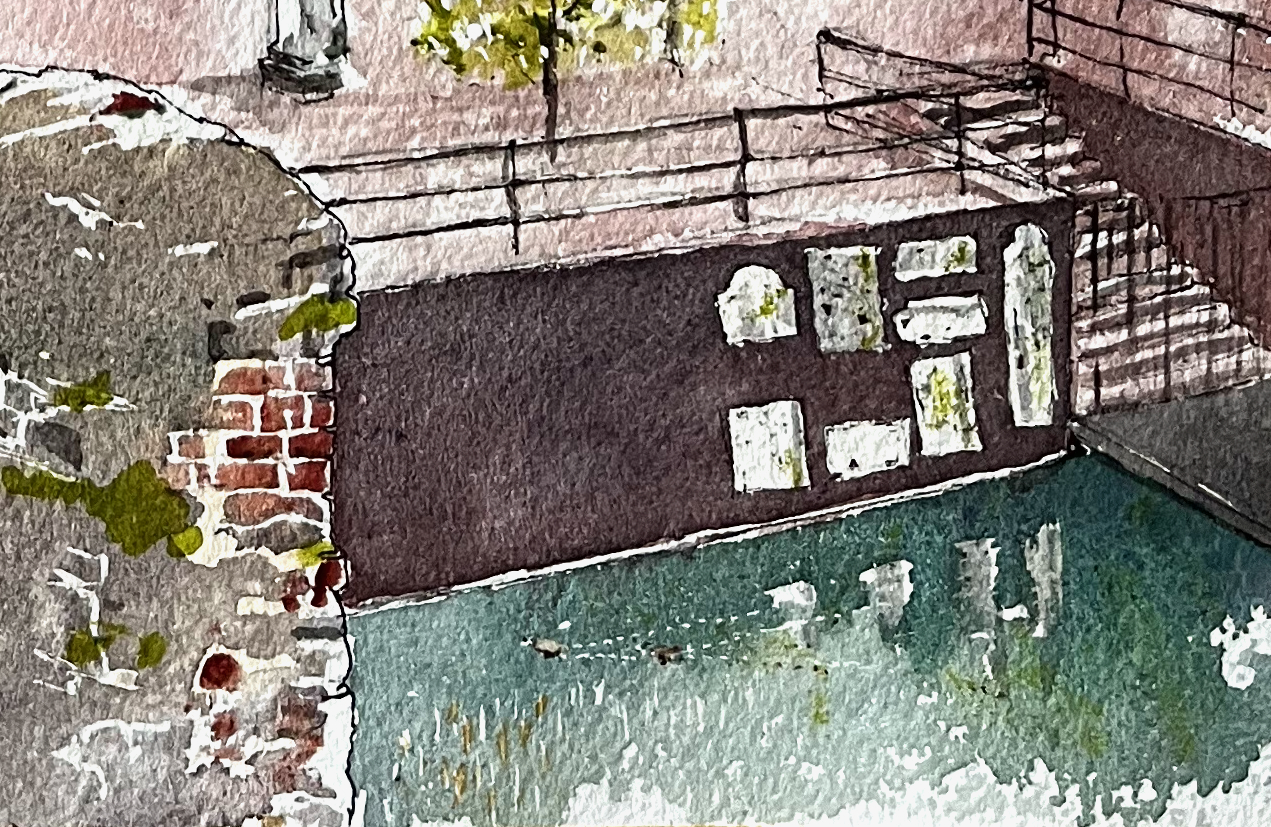
The white shapes on the lakeside wall are gravestones.
Old London Wall is on the left: part stone, part brick. This is the old Roman wall round the City of London.
Thank you to my clients for this commission and for their permission to post the picture here online. It was a real pleasure to do.
The colours I used are:
For the sky: a pale yellow wash of permanent yellow deep, followed by a grey made from ultramarine blue and burnt umber, with some ultramarine blue for the blue bits.
For the church: the stone is a pale yellow wash of permanent yellow deep, then a dilute buff titanium wash. I put salt on it to get some texture. Then the dark areas are a grey made from ultramarine blue and burnt umber.
The top part of the church, St Giles Terrace and all the reddish/purple brickwork is a combination of perylene maroon, burnt umber, fired gold ochre, and a bit of ultramarine blue for the dark areas.
The lake, which really is that green colour, is ultramarine blue, plus some serpentine genuine which makes it granulate.
All concrete is the same mix of burnt umber and ultramarine blue with some mars yellow.
Old London wall is the pale yellow wash of permanent yellow deep, with a second wash of lunar blue with burnt umber. Lunar blue is highly granulating, which gives a wonderful stone effect. The bricks are fired gold ochre.
All green plants are green gold, and there’s also some green gold on the stonework of the church, to show the lichen.
The weathervane is Liquitex gold ink, applied with a fine brush.
The line drawing is done with a Lamy Safari fountain pen, using De Atramentis Black ink, which is waterproof.
The white parts of the picture, for example the lines between the bricks on Old London Wall, (and the ducks) are done using a resist. This is a rubbery substance, applied before putting on any paint. The resist I use is called Pebeo Drawing Gum. I put it on using a dip pen to get the fine lines. After the paint is dry, I rub it off, and the parts where it was show up white. There are also a few tiny dots of white gouache paint on the magnolia tree.
The paper is Arches Aquarelle 300gsm 12″ x 9″ in a block.
Work in progress. Arches Aquarelle block, Lamy Safari pen. The yellow is masking tape, which I put round to make the picture easier to handle and to give a crisp edge to the work. The people on St Giles Terrace were practising Tai Chi. It was very relaxing to watch them. See the green lichen on the concrete. And the magnolia.
Click a button below to share this post online, email it, or print it:


































 Jane Sketching