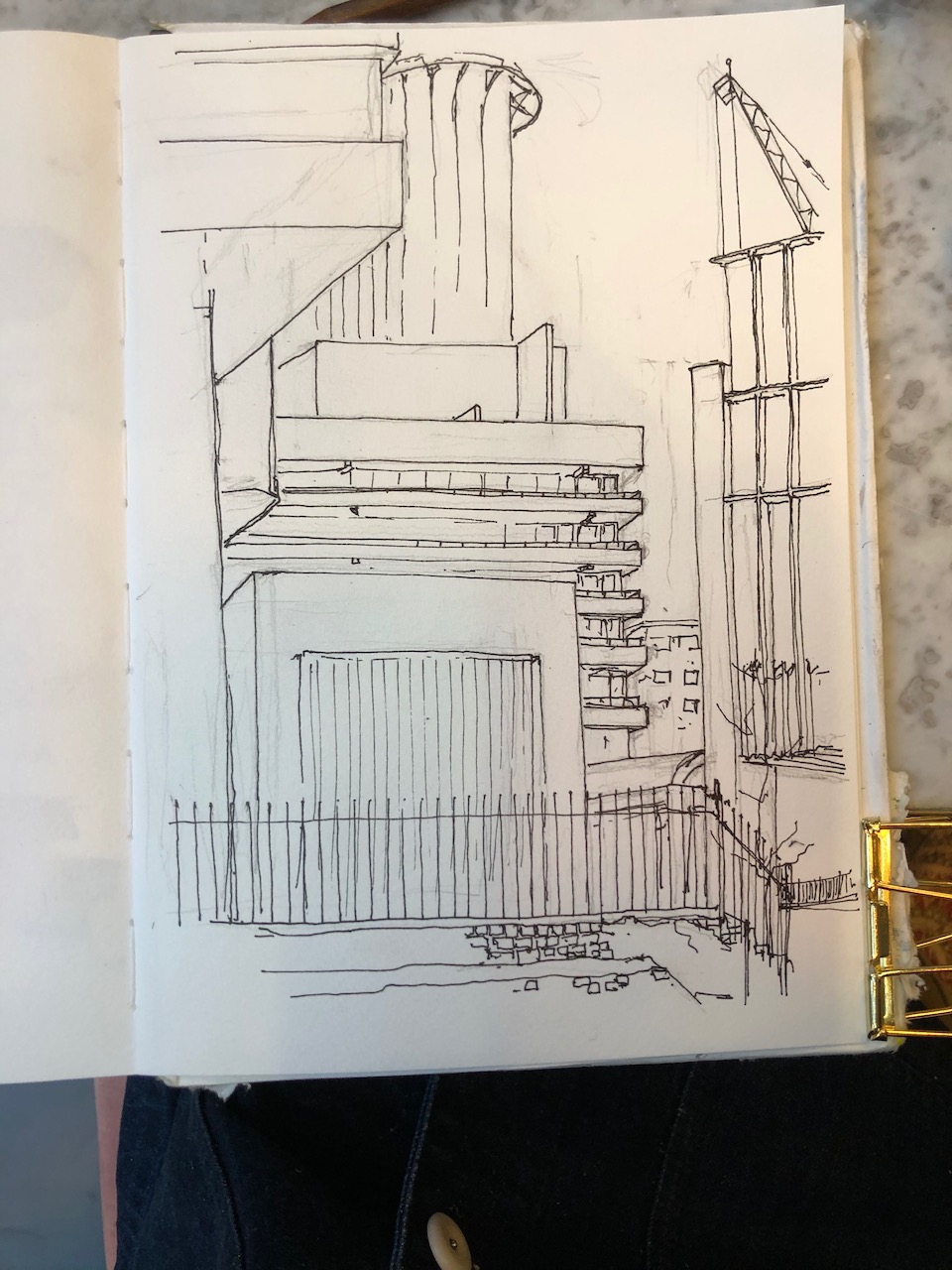
Principal Tower and The Stage

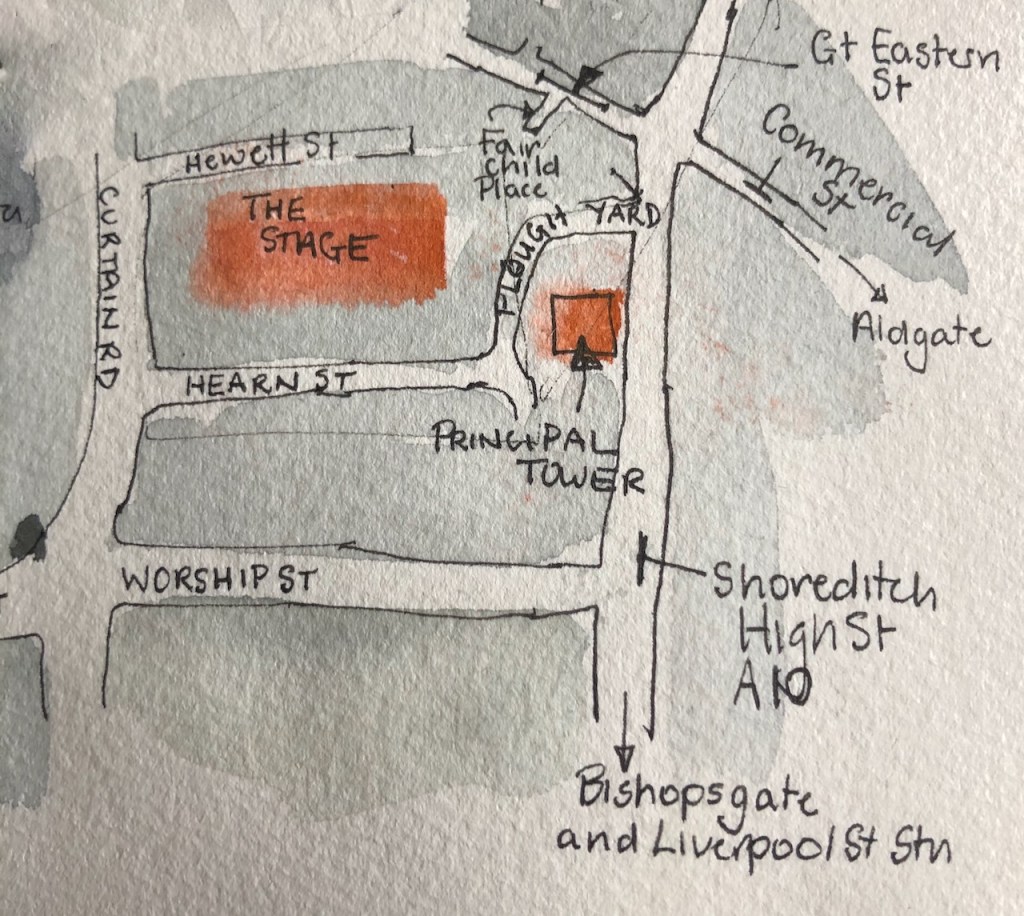
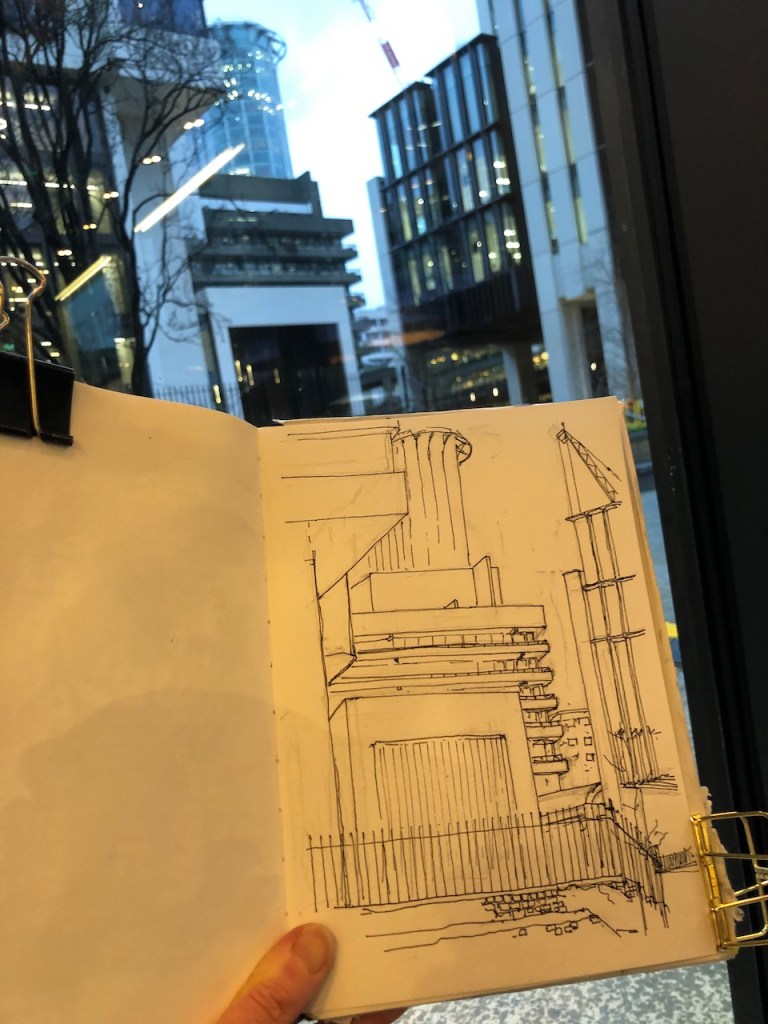
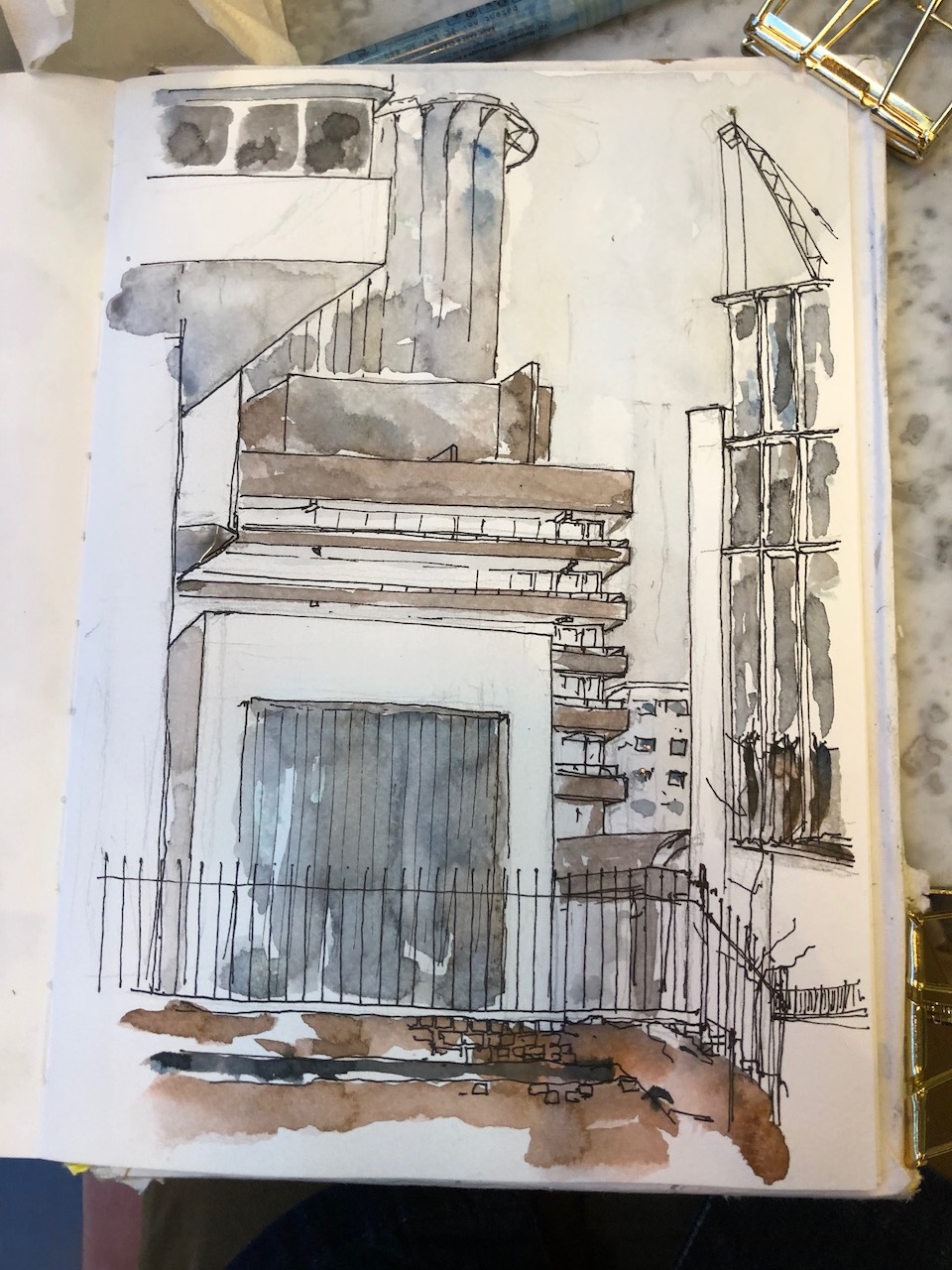
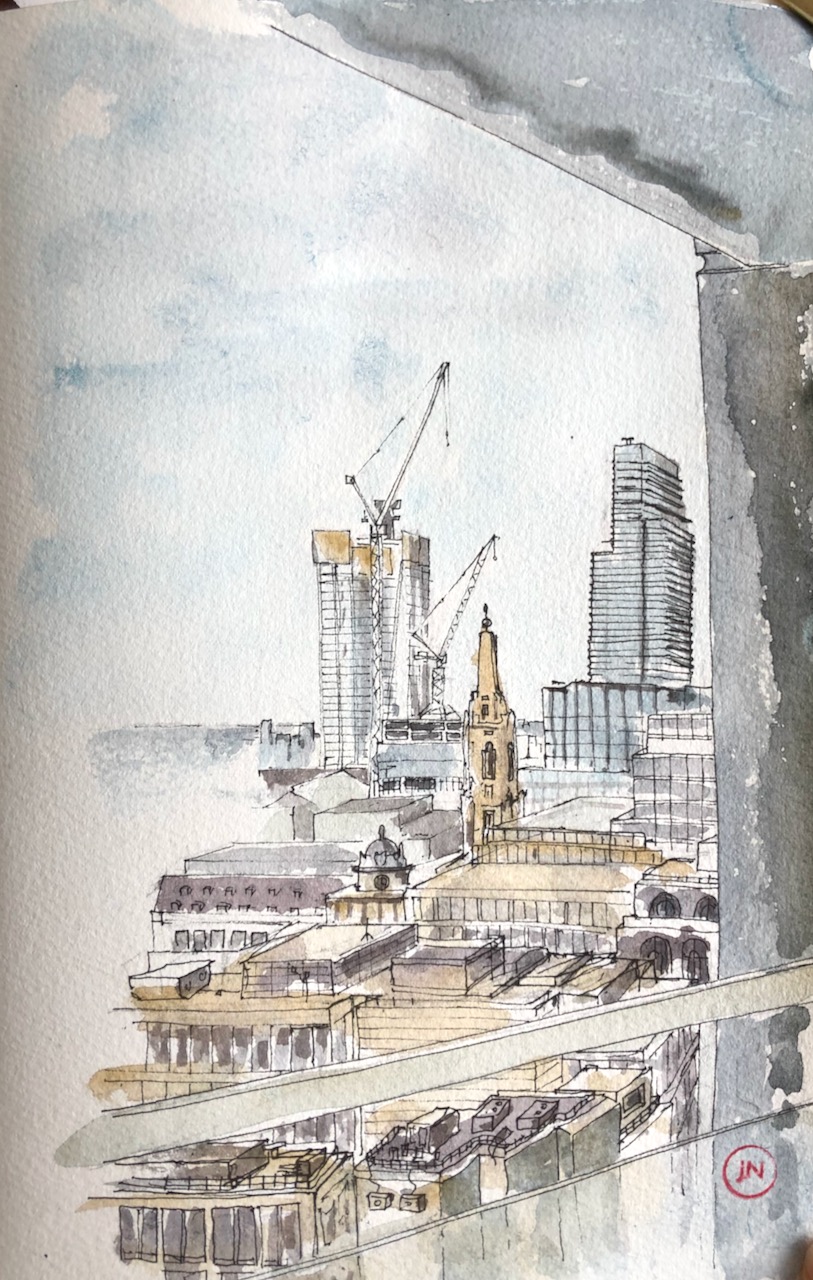
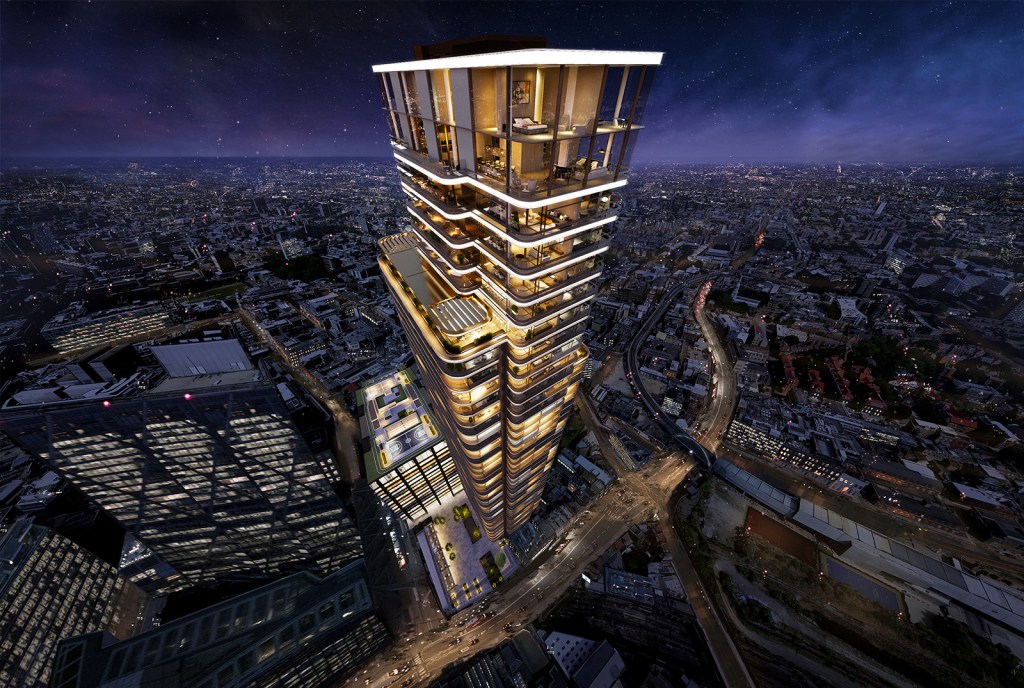
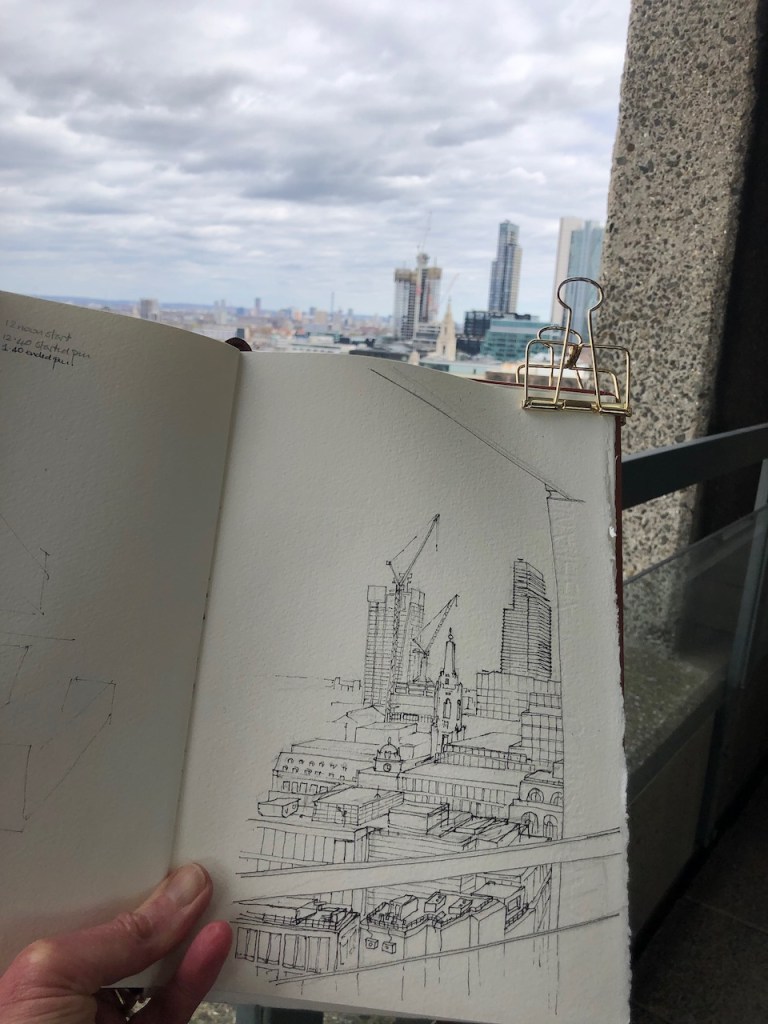
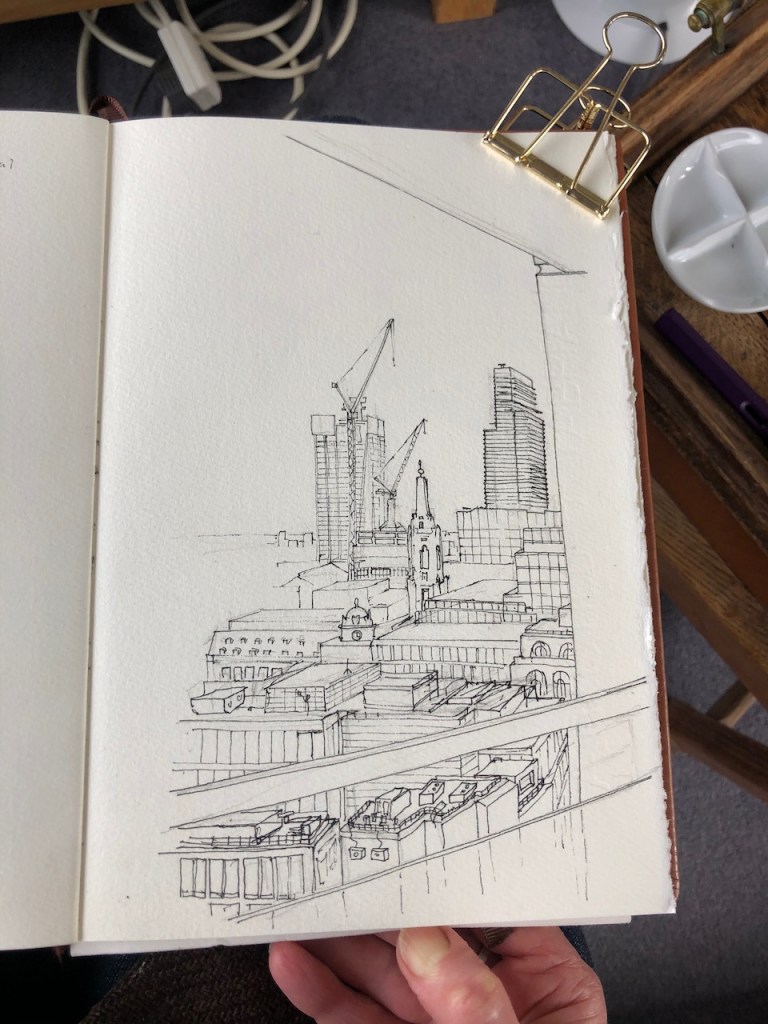
If I look East, along a narrow angle, I can see two new tall buildings in Shoreditch: the “Principal Tower”, and “The Stage”. They are on adjacent sites, about a mile away.
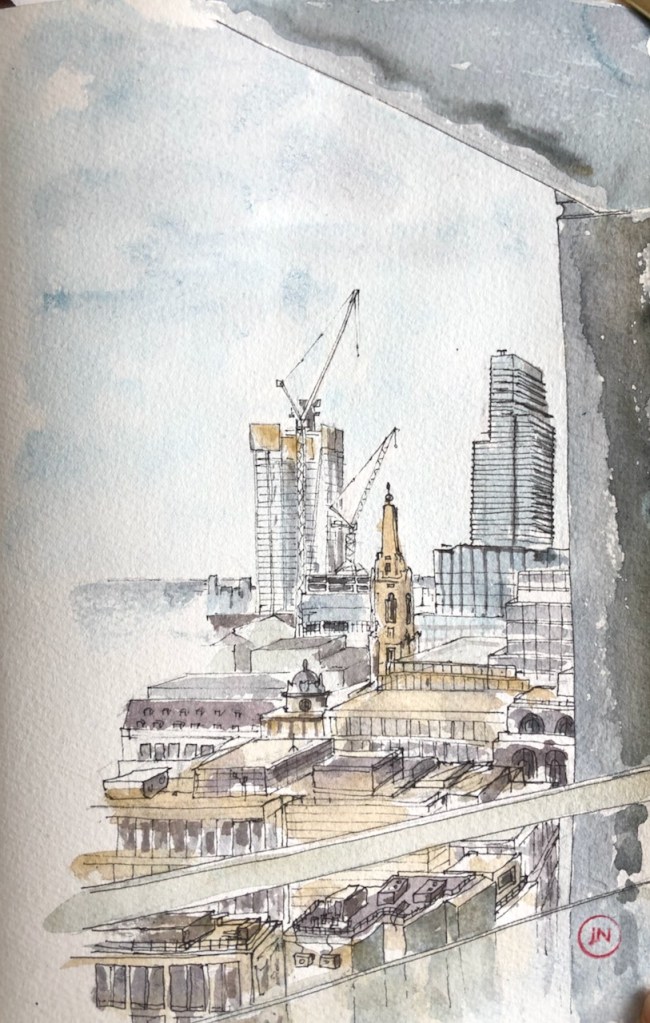
Looking East: The Stage and Principal Tower

The Stage is the tall building on the left, under construction. Their website tells me this will be a “dynamic 37 level landmark for luxury living”. The reason it’s called The Stage is because the remains of the Curtain Theatre were discovered on the site. This theatre was a location for the staging of Shakespeare’s plays, and dates back to 1577. The tower is provides luxurious accommodation. The planning report says:

The scheme does not include any affordable housing, and the viability appraisal confirms that it is not possible to deliver any due to the financial burdens of excavation and archaeological work to the remains of Curtain Theatre in order to create a cultural facility.

planning report D&P/2975/02 18 December 2013, Mayor’s decision*

The architects are Perkins+Will. The developer cited on the planning application was Plough Yard Developments Ltd. That company was dissolved on 23rd Aug 2019. The current owner/developer is “The Stage Shoreditch Development Limited” according to the website “New London Development”.

The building with the truncated spire in front of The Stage is “Triton Court”, which is on the North side of Finsbury Square. The little dome is part of the same building. This dome in on the older, western, part, which was built in 1904-5. The taller part with the spire was later, 1929-30. It was the headquarters of the Royal London Mutual Assurance Society. The building interior was redeveloped in 2013-15 and is now an office development called “Alphabeta”

The tall block on the skyline to the right of picture is “Principal Tower”. This is a residential tower which, according to the website:

“..offers the opportunity to own an architectural masterpiece, equivalent to a priceless piece of art that will give constant pleasure and lasting value.”

from the sales website: PrincipalTower.com, copied on 2nd April 2020

The architect is Foster+Partners. The developer is Brookfield Property Partners. Alongside and beneath the residential tower are offices and shops, in a space called “Principal Place”. One tenant of the office space is Amazon.

Here are some pictures from the sales website:
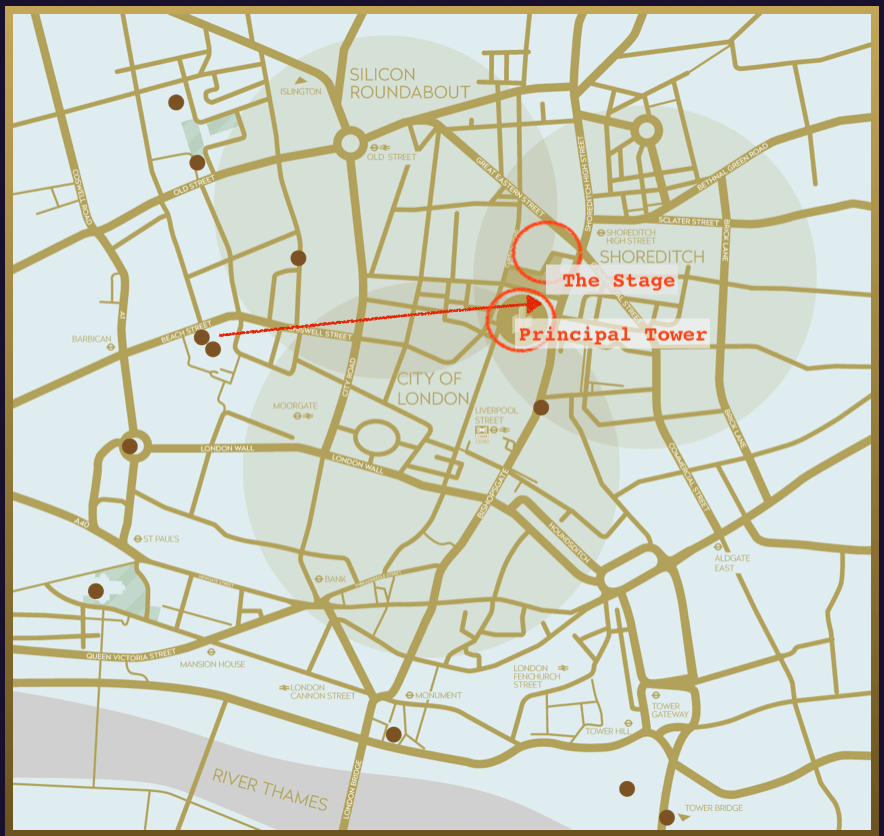
Here are some maps:

My sketch map showing the locations of the towers in the picture
Map downloaded from the Principal Tower website. The brown dots are “cultural locations”. The red arrow shows the sightline in the picture.

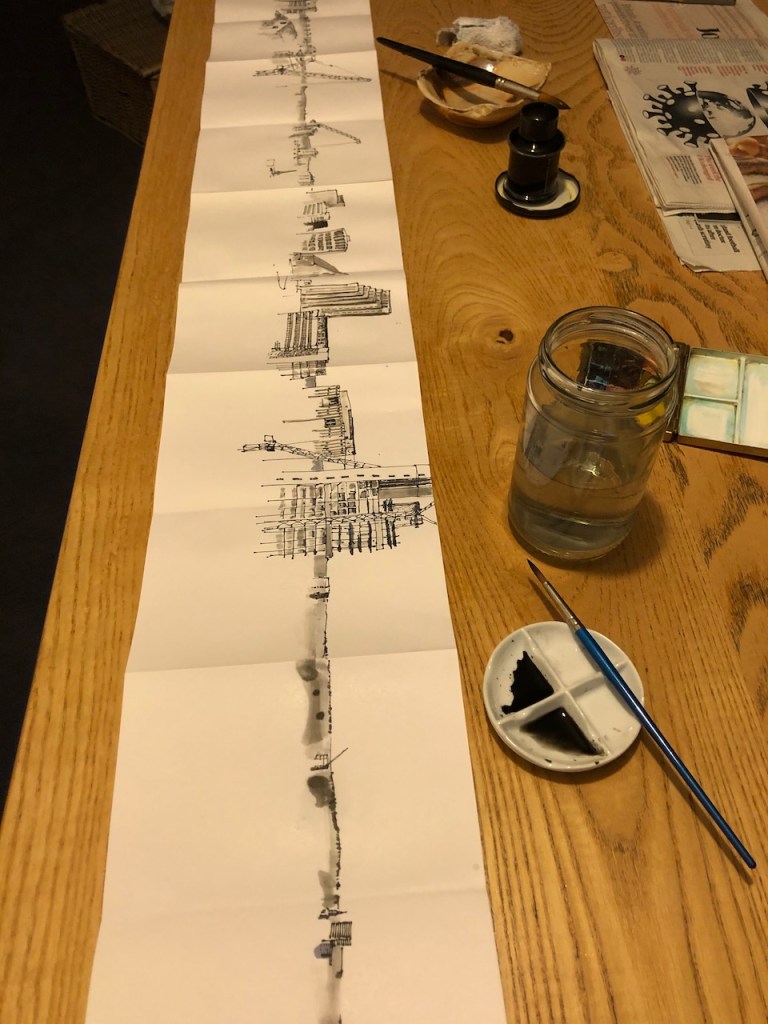
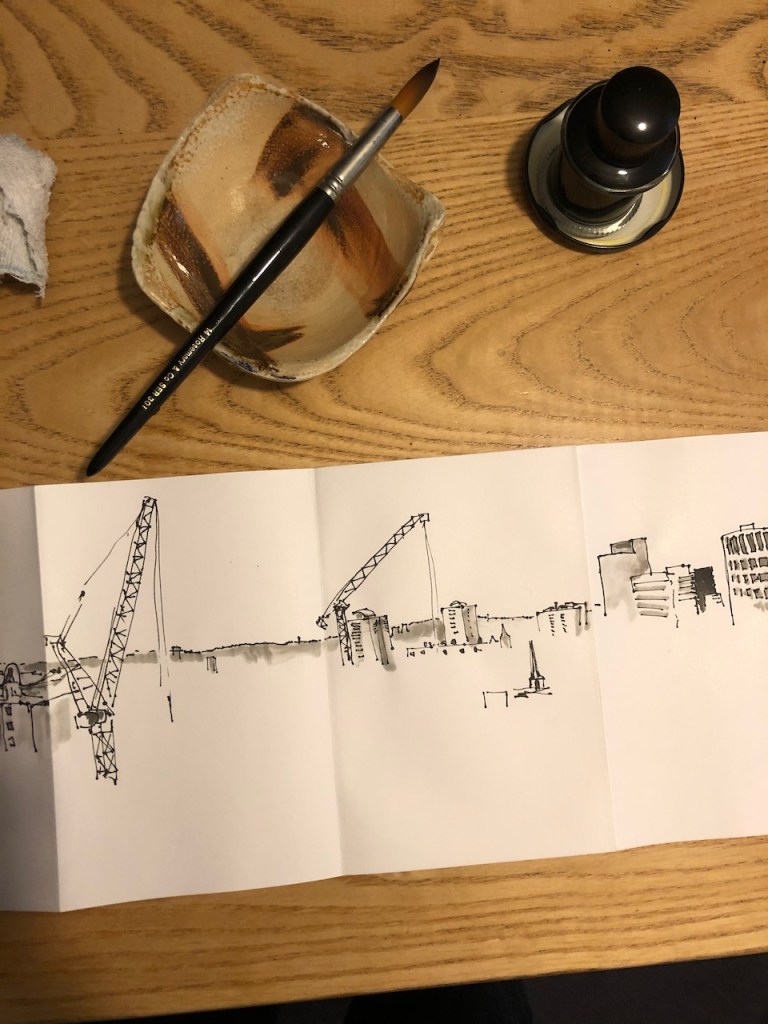
The drawing took just over 2 hours. The colours are: Phthalo Turquoise (W&N), Mars Yellow(DS), Perylene Maroon (DS) and a bit of Perinone Orange (DS).
*The document is on the http://www.london.gov.uk site at this link: (downloaded 2nd April 2020) Planning Application 2012/3871

Click to access the_stage_curtain_road_report.pdf

You can download the document here:

Horizon panorama

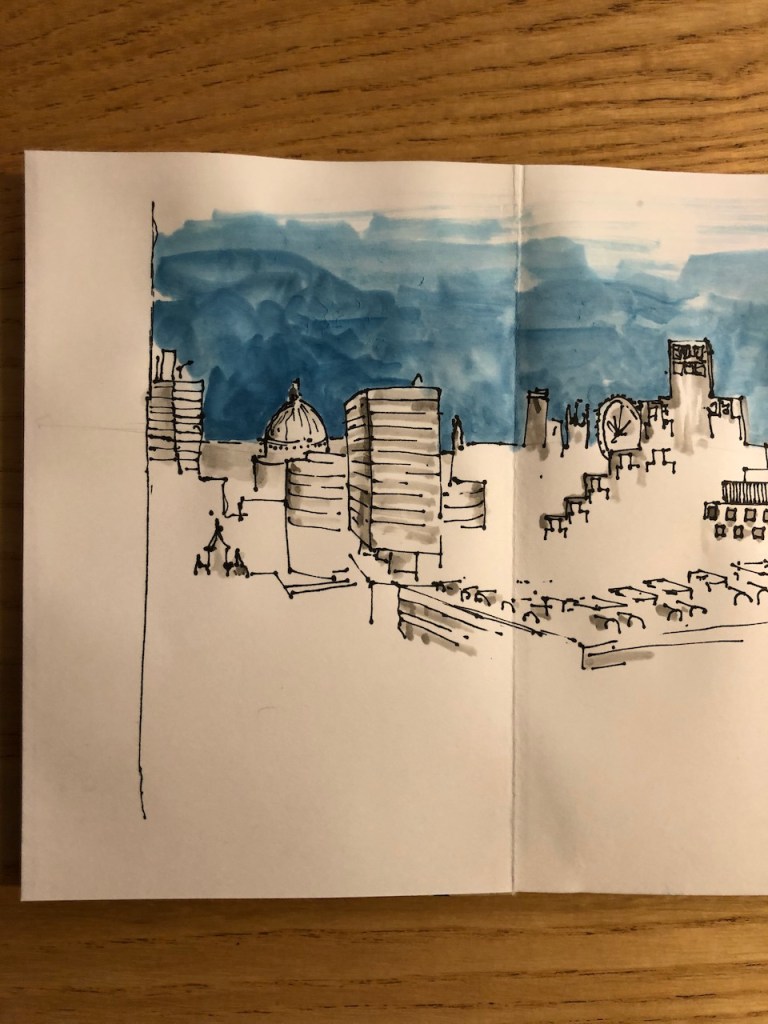
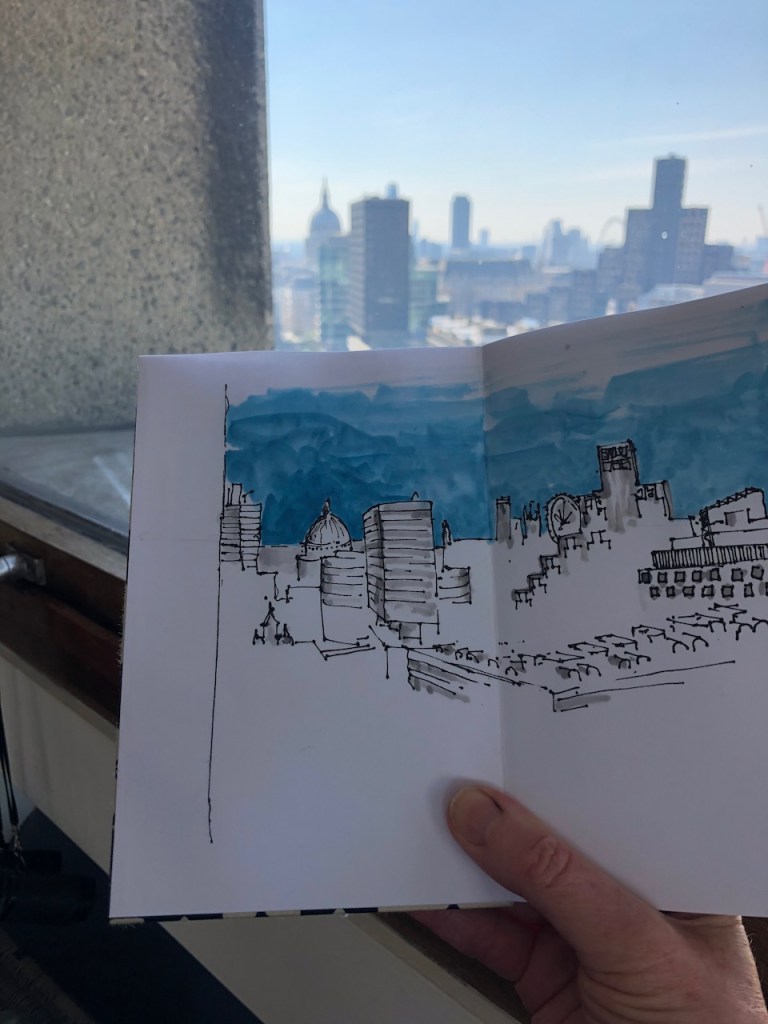
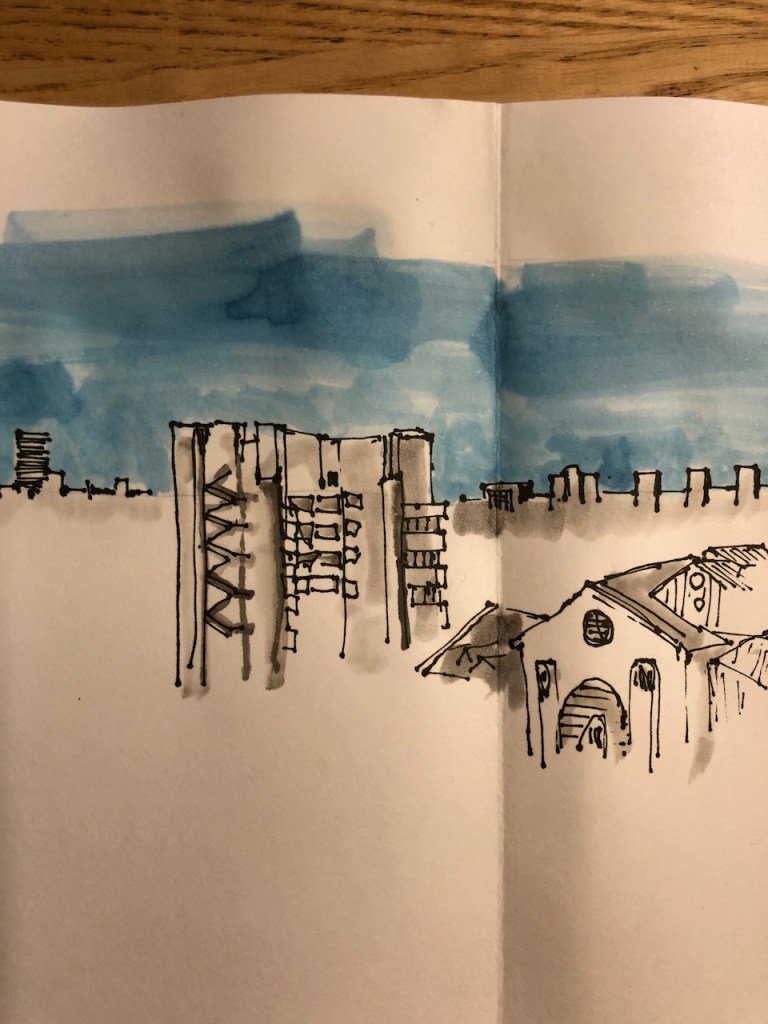
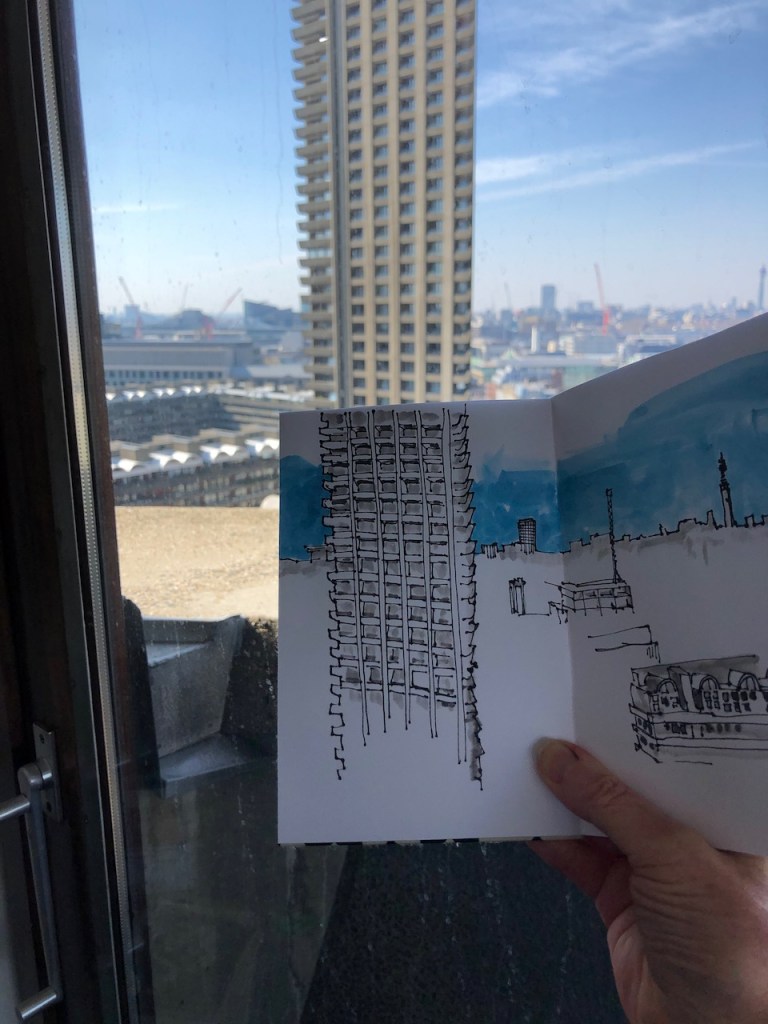
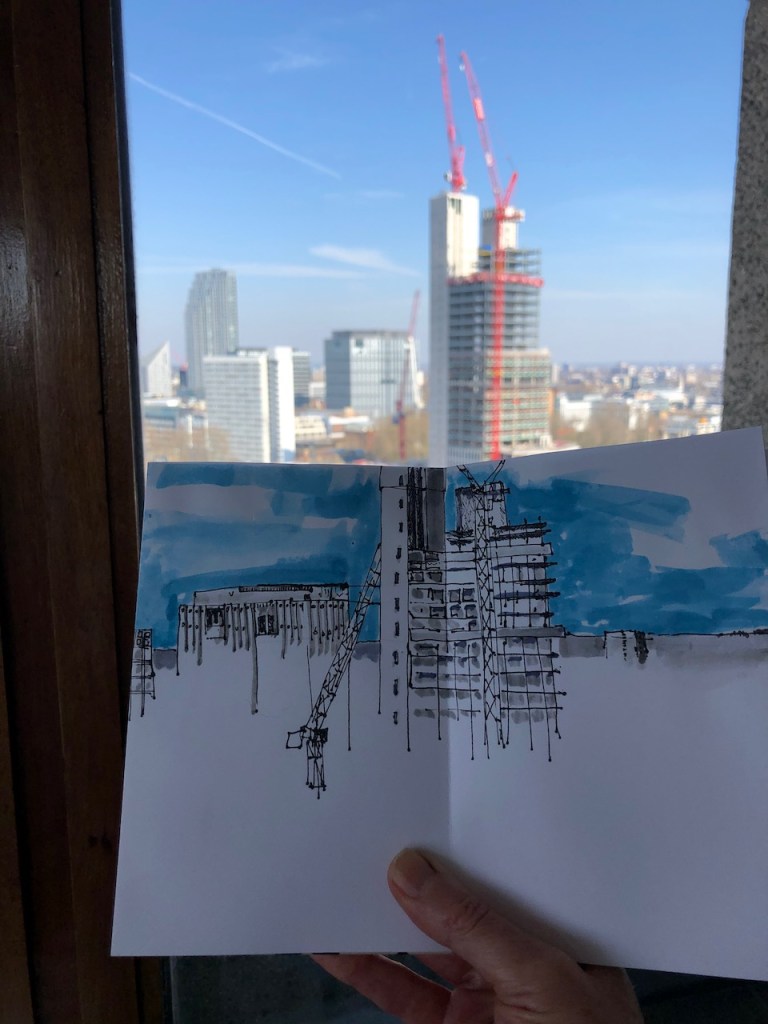
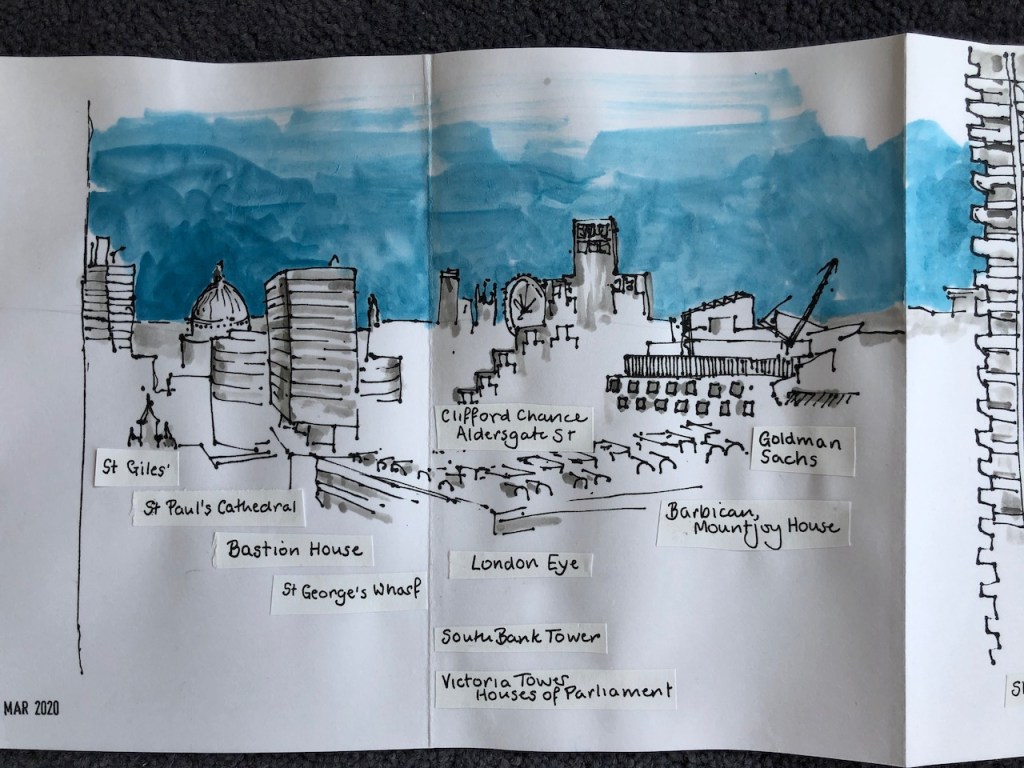
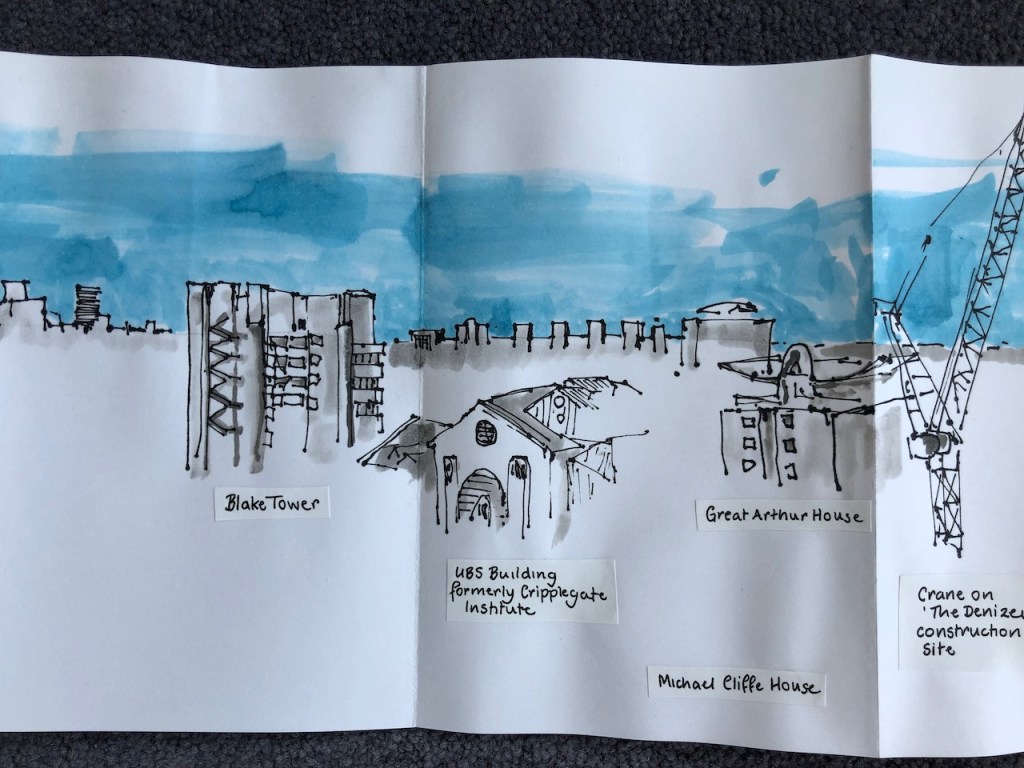
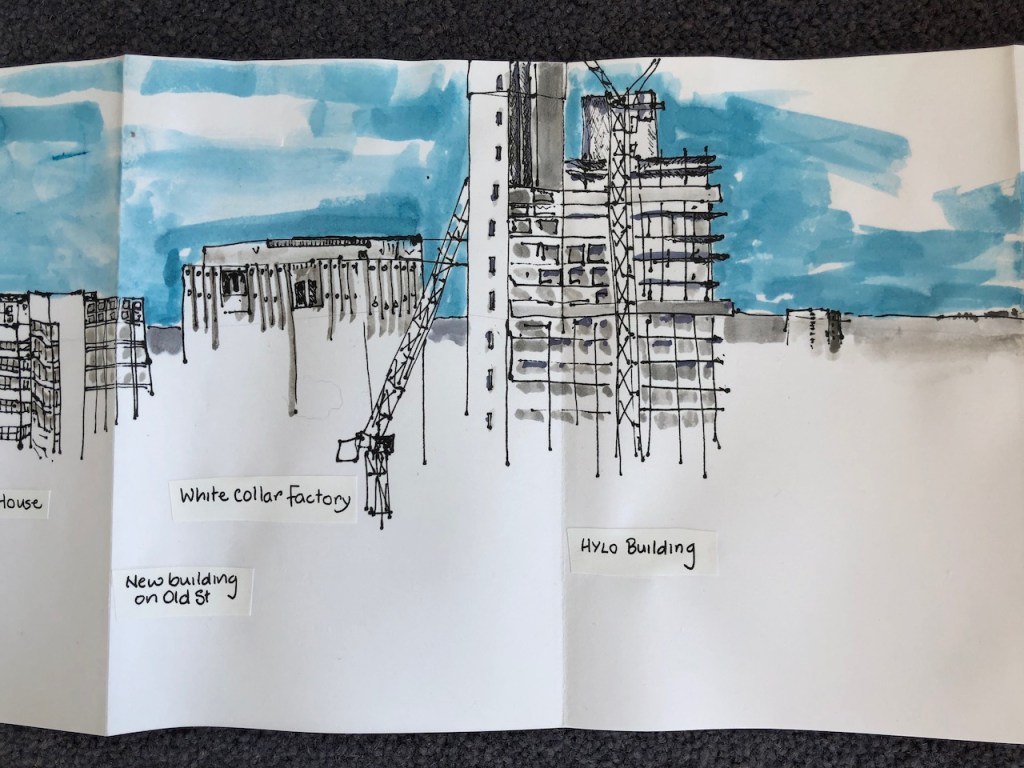
Some time ago, I was given a Japanese sketchbook, which was in the form of a concertina of doubled paper. In the last few days I drew the world outside, as seen from the windows of this flat. It’s about a 270 degree view, mostly over West and North London.

During these days of indoor confinement, the weather outside has been beautiful. Stunning blue skies. So I put that in using Phthalocyanine Turquoise watercolour.

Then I made a videos. The first one, with the pointer, has an audio commentary. It’s quite quiet, you may need to turn the sound up. The second one is silent. This is the first time I’ve put videos on this site. Let me know if it works.

I added written captions also, as you see in the second video.

Here are still pictures from the panorama with captions.

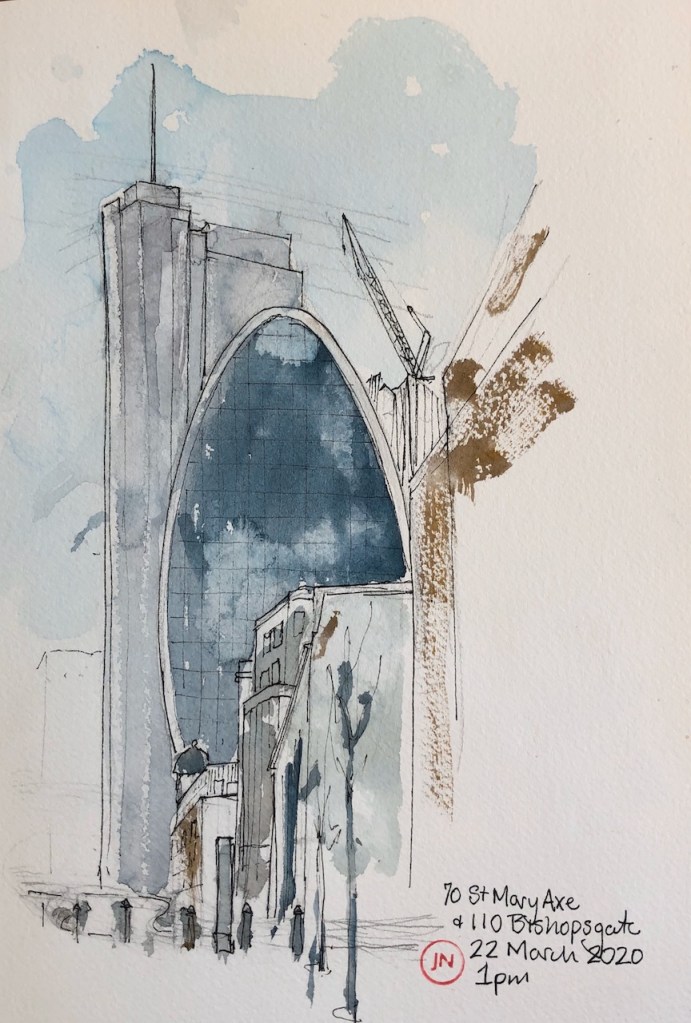
70 St Mary Axe, and Finsbury Circus

I have wanted to draw this building for a long time. It has the most wonderful shape.

70 St Mary Axe, from the park by St Botolphs, 110 Bishopsgate is the tall building in the background.

It seemed like today was a good day: empty streets and sun. I found a view, and stood sketching with the sun on my back.

Three things happened.

  • A group of skateboarders chose the particular wide pavement on which I was standing to practise their sport.
  • People started to accumulate in the park nearby, with beer cans and music.
  • The sun moved, and I was in shade.

The skateboarders were skilful, and avoided me, but were a worry and distraction. The groups of people were definitely contravening current regulations on social distancing and made me uneasy. And then I was getting cold.

So I packed up my sketch, and moved on. The result is a rather dashed sketch, but somehow captures the mood, and is not unpleasing. What do you think?

There are more curves in this view than I normally encounter in an urban sketch. As well as the marvellous building, you can see the wiggle of the road called Bevis Marks, at the bottom of the sketch. That sinuous line is usually totally lost in the buses and parked cars. But it was visible today.

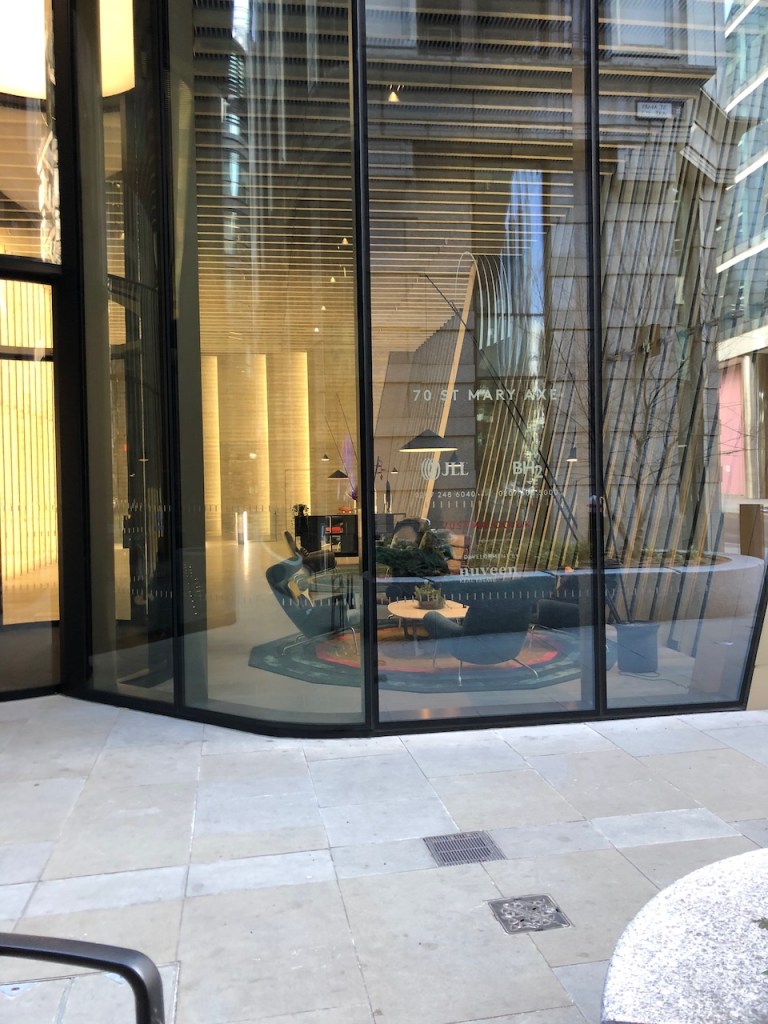
70 St Marys Axe is by Foggo Architects. It was finished last year. The interior design is also a sight to behold. I peered in through the glass.

I walked back through the deserted city and came to Finsbury Circus. Here was the most wonderful tranquil air and a feeling of light. I realised this was because a huge and tall Crossrail construction, which has been at the centre of Finsbury Circus for months, has now gone. The sky has reappeared. I could look back and see the buildings of the city though a fine mesh of branches and spring leaves. It was beautiful. I sat on the steps of 1 Finsbury Circus and drew it.

Phthalo turquoise (W&N), Burnt Umber (DS) and Perylene Maroon (DS), with some Mars Yellow (DS)

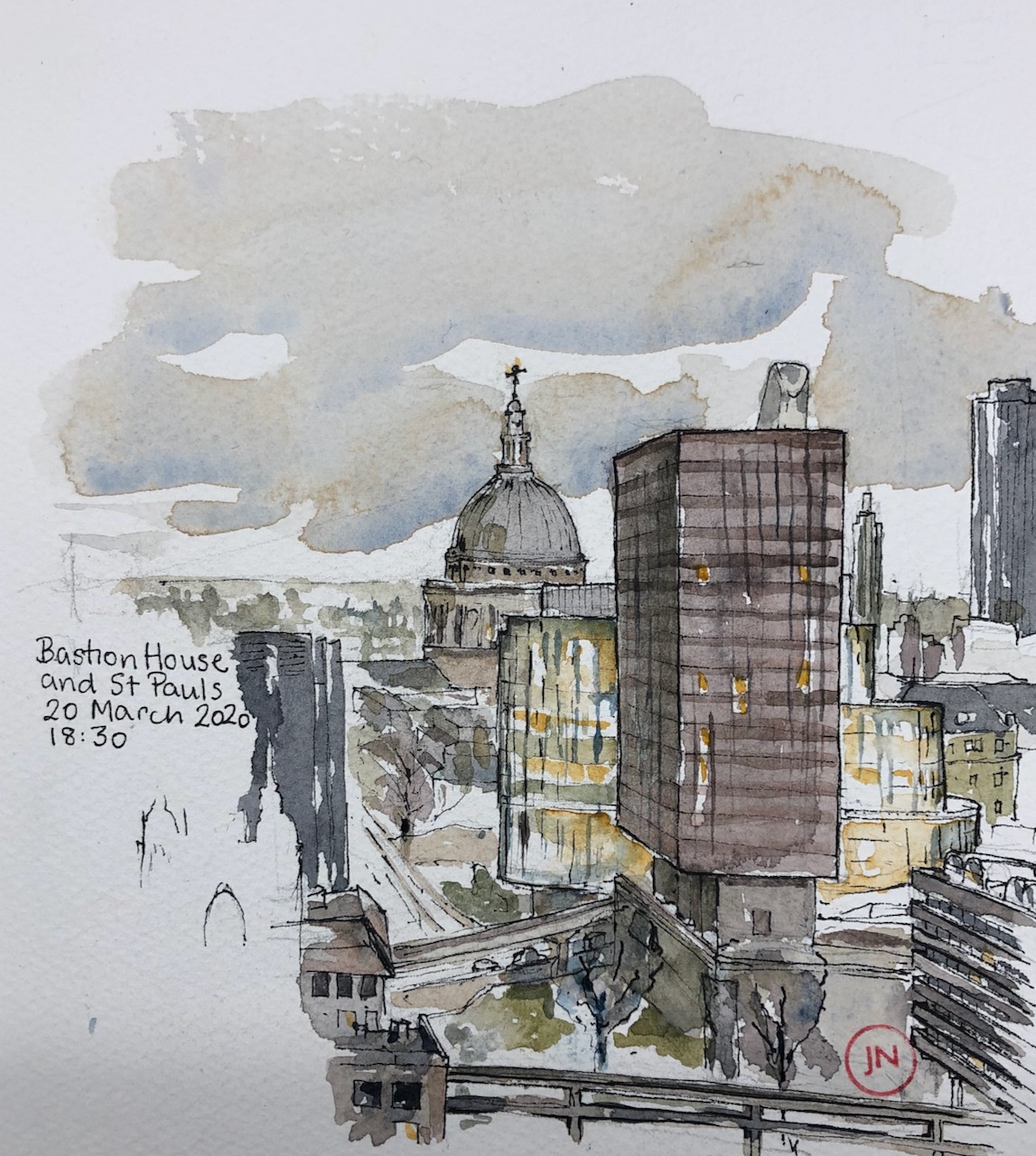
St Pauls and Bastion House

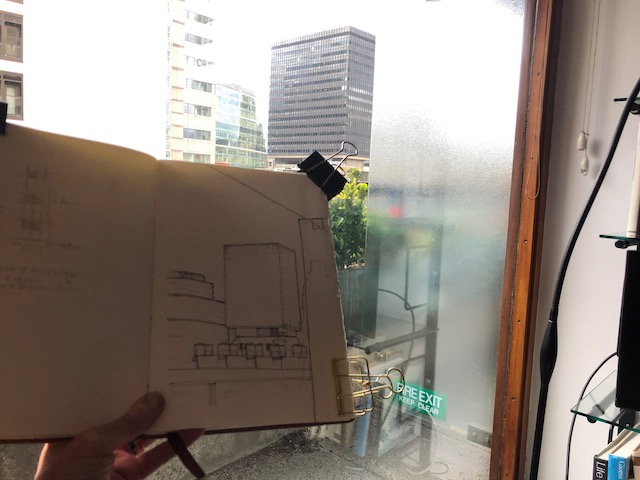
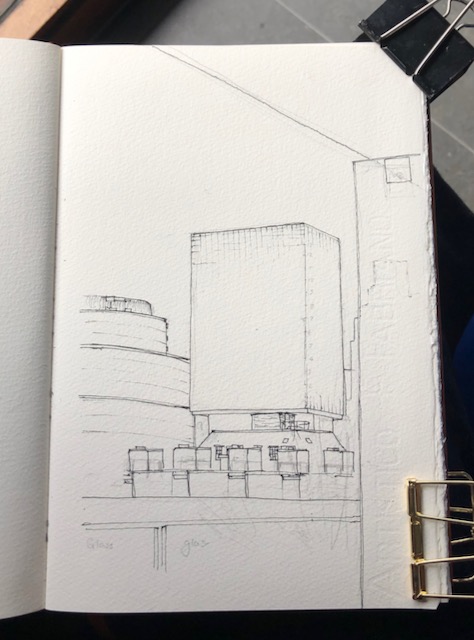
I am sketching the views out of the window.

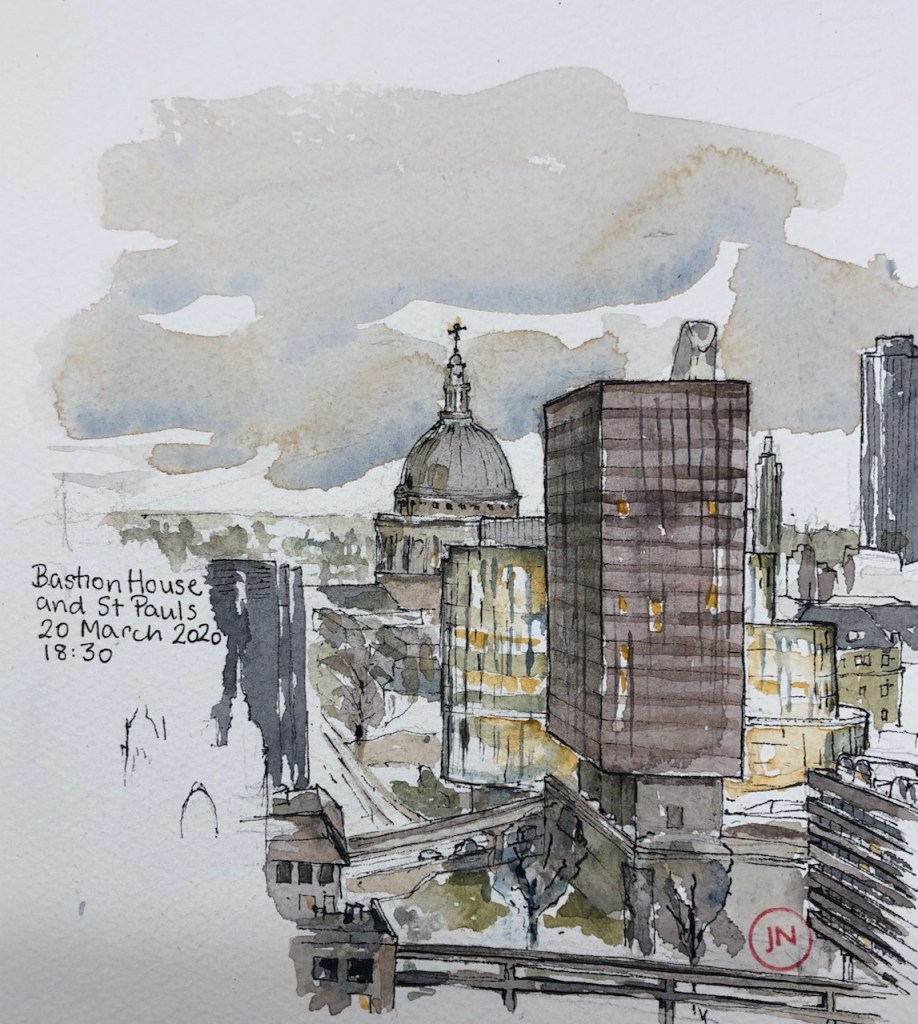
Left to right: St Pauls, an office block on London Wall, Bastion House, tower in Vauxhall, South Bank Tower.

Just visible over the top of Bastion House is the top of “OneBlackfriars”. In the foreground: Mountjoy House, Barbican, on the right. Along the bottom is the Barbican Highwalk which joins Mountjoy House and Wallside.

I have drawn Bastion House before:

Bastion House, London Wall, from Andrewes House

I hastened to draw the magnificent Bastion House, on London Wall. It is due for demolition. In the foreground you see the balcony and privacy screen of the flat in Andrewes, whose leaseholder had kindly hosted me. The line of red brick, and what looks like chimneys, in the foreground are the rooftops of a…

Bastion House from Podium Level

Bastion House aka 140 London Wall is a huge modernist monolith, reminiscent of the monolith in “2001 – A Space Odyssey”. I couldn’t find a site to draw the monolith part today, so here is a view at Podium Level, looking West towards the Museum of London. You see the dark undercroft, walkways and a…

St Giles and Bastion House

Today Urban Sketchers London held a “sketch crawl” in the Barbican. So I joined them. An astonishing number and diversity of people assembled inside the entrance of the Barbican Centre at the appointed time of 11am. I counted about 35 and then another dozen or so joined. All shapes and sizes of people, tall, short,…

This drawing took rather a long time as I stopped a couple of times. As a result, by the time I finished, the lights were coming on in the office buildings, and the sky was dark.

Click here to see my drawing of St Paul’s last year

Barts Square, Butchers’ Hall

Continuing my exploration of Barts Square, EC1, today I drew Butchers’ Hall.

Butchers’ Hall, 87 Bartholomew Close, EC1
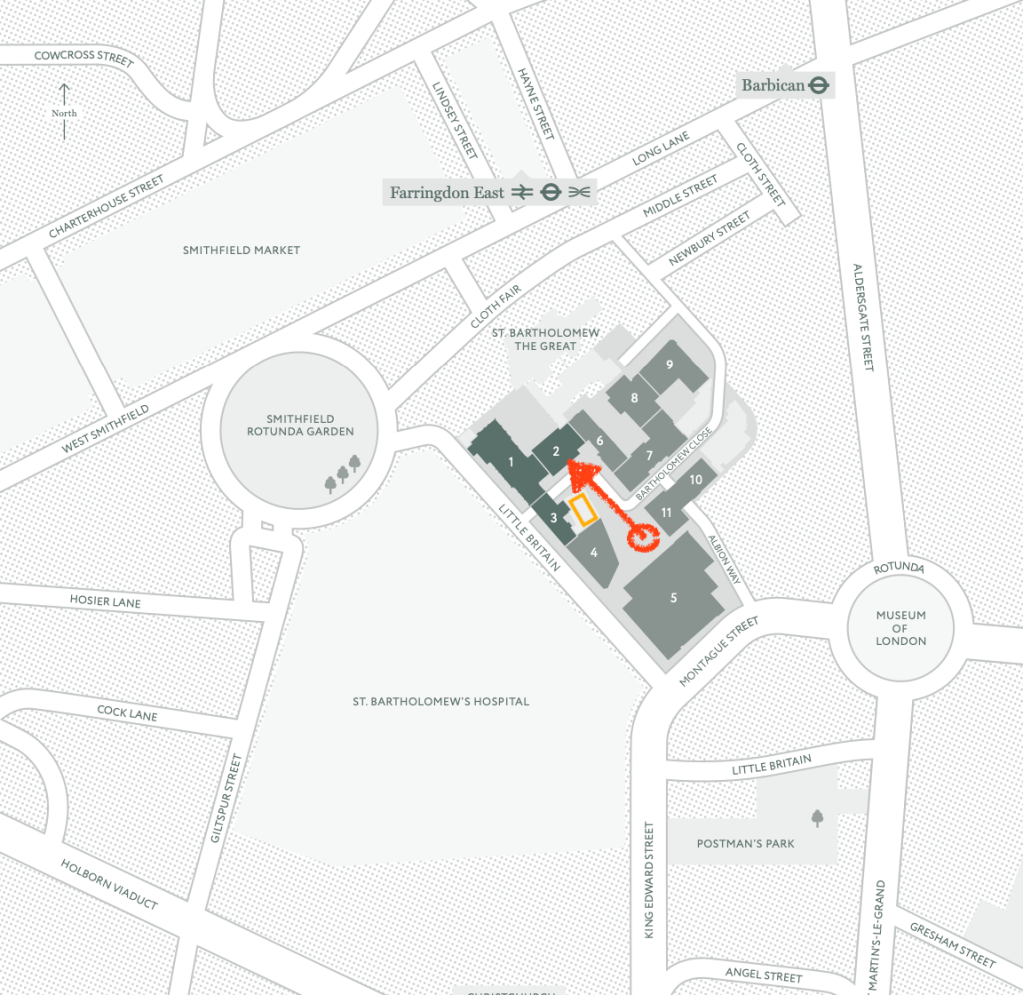
Map showing sightline of drawing.
Butchers’ Hall outlined in yellow.
1. The Levett Building, 2. Percival House
3. Fenwick House, 4. 90 Bartholomew Close
5. One Bartholomew, 6. Hogarth House,
7. Dominion House, 8. Abernathy House
9. The Askew Building, 10 The Underwood Building
11. Vicary House.

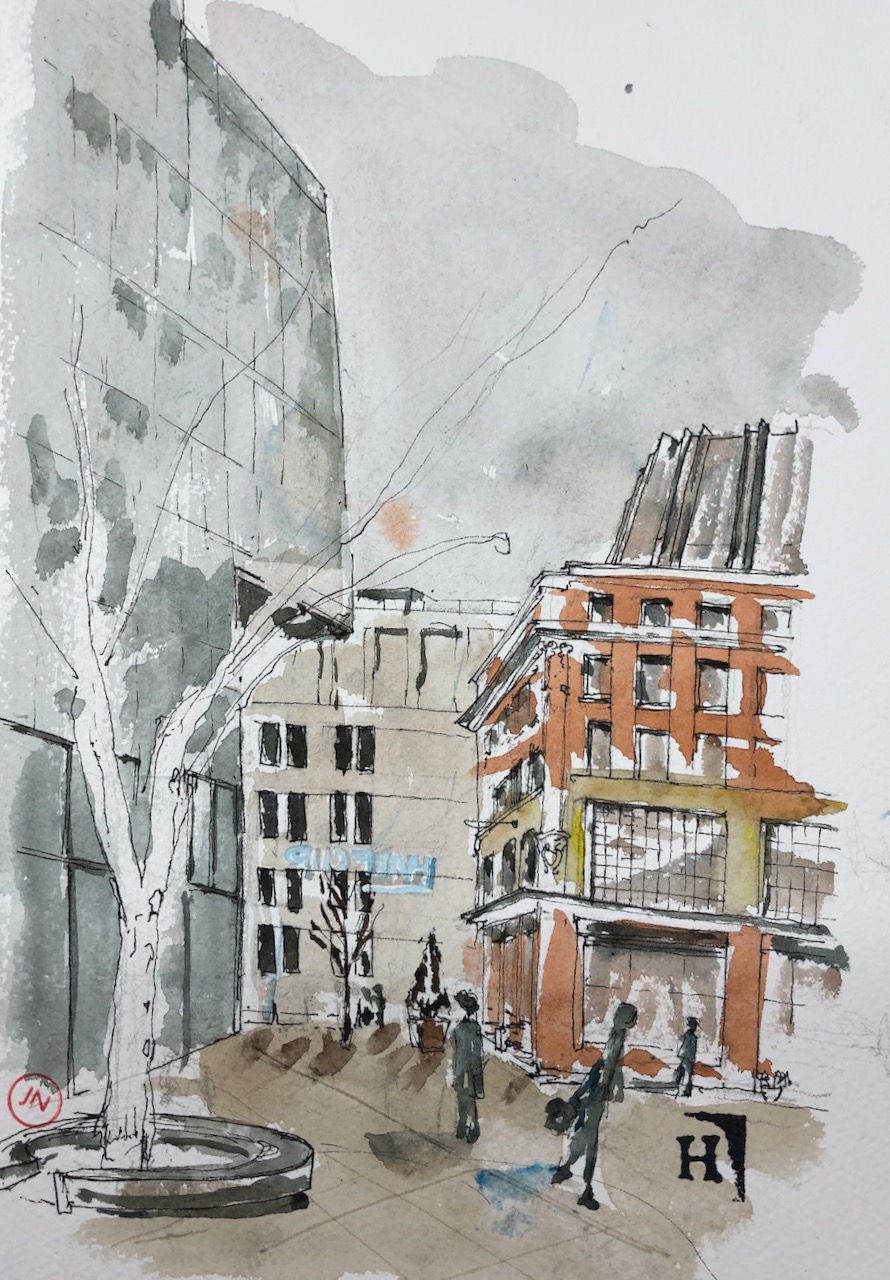
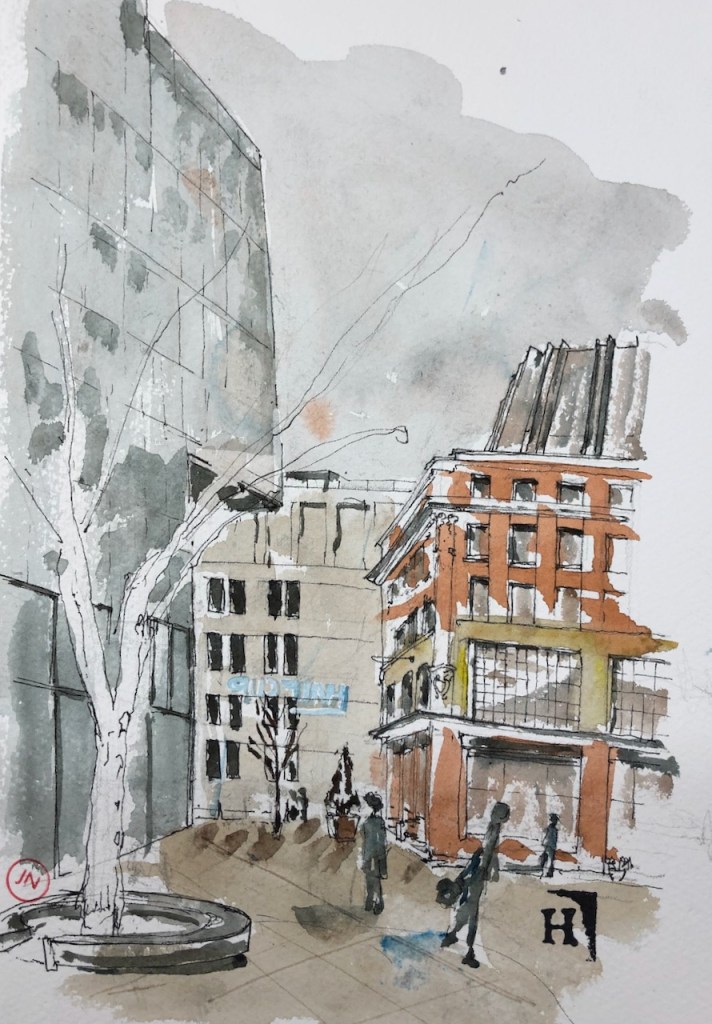
Butchers’ Hall is the building with the arched windows, in the centre left of the picture. It is the headquarters of The Worshipful Company of Butchers. This livery company is very old, the Arms were granted in 1540 and the charter by James I in 1605. The current hall is surprisingly new: built in 1960, and refurbished in 2015-2019. The mansard roof, just visible in grey at the top of the hall, was completed in 1996.

On the left the red brick building is 90 Bartholomew Close, which is offices. In the background is Percival House, residential flats built as part of the Barts Square development. Behind the tree is a building site. People are still working on other residential blocks in this development.

All was going well until
the delivery van arrived…

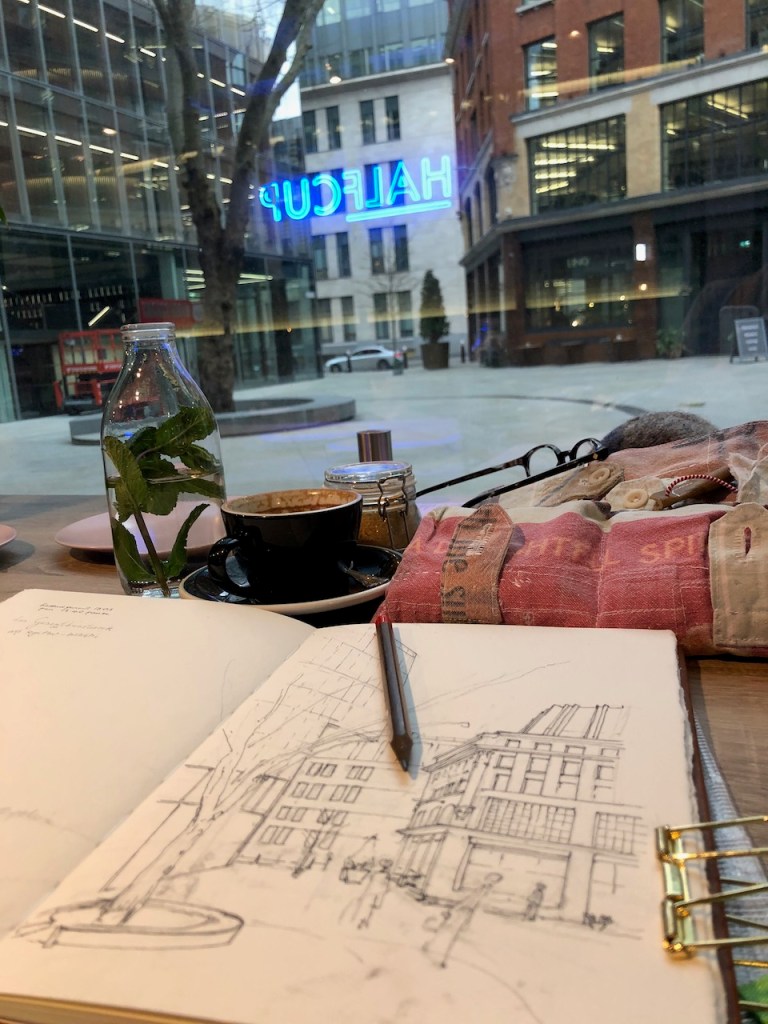
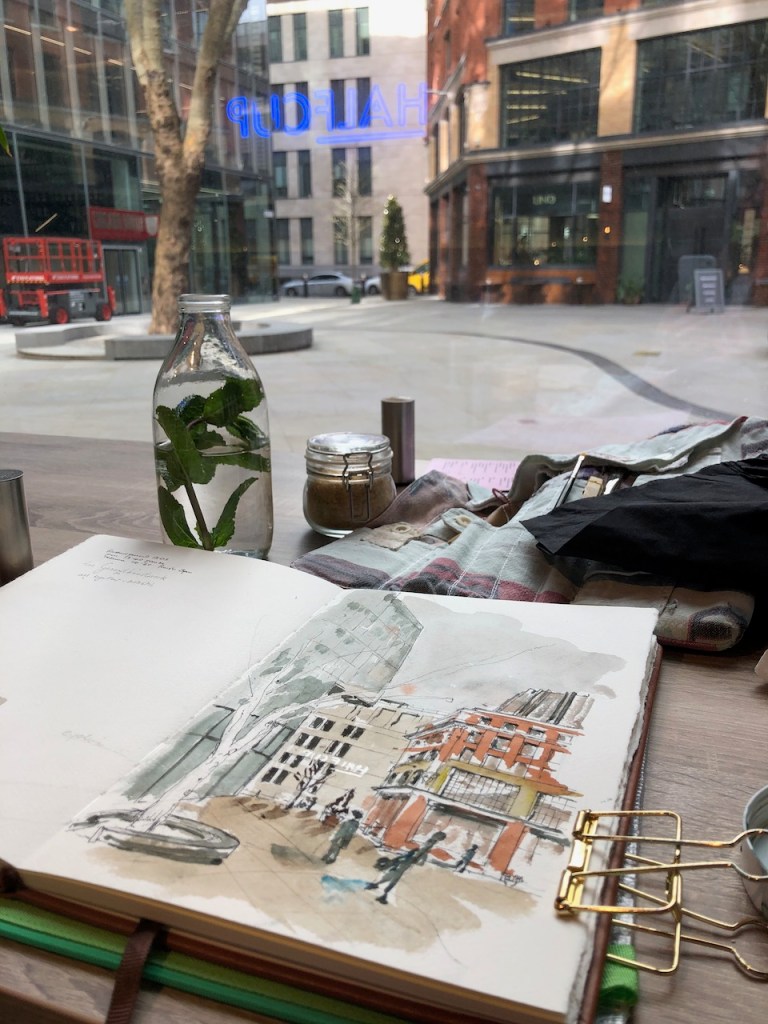
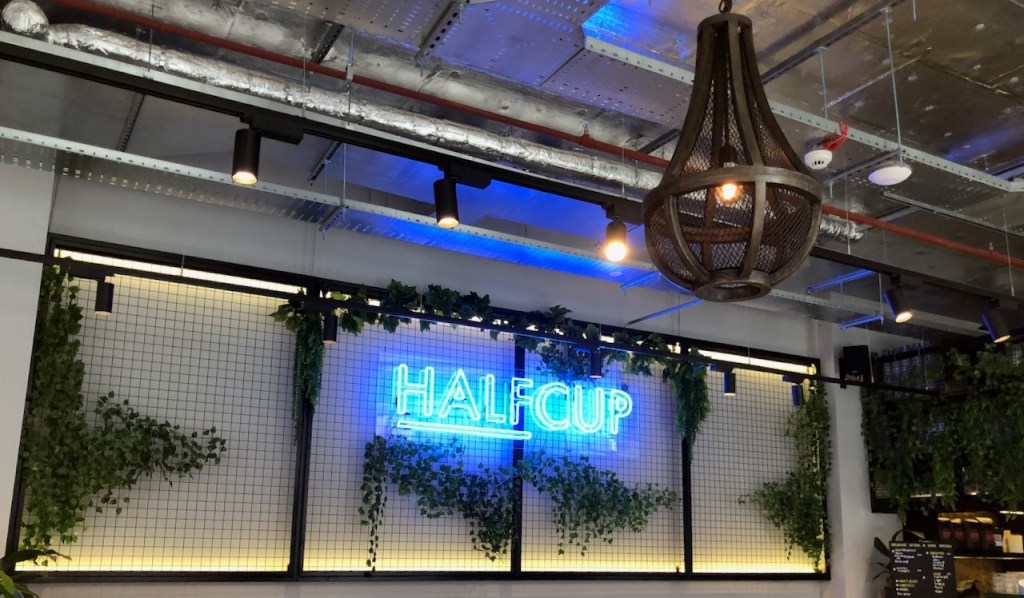
I drew this picture from beside a tree in the middle of the square, as you see from the map above. It was extraordinarily cold. There was slight rain, or more likely sleet. So after the pen-and-ink stage, I beat a retreat to the warmth of the café “Halfcup” to do the colouring indoors. They kindly found me a table with a view in approximately the right direction. All was going well until the delivery van arrived.

I peered round the edges of the van and surprised other guests in the restaurant by pacing erratically to get a better view. Then the van driver completed their deliveries and drove off. I worked quickly in case another van appeared.

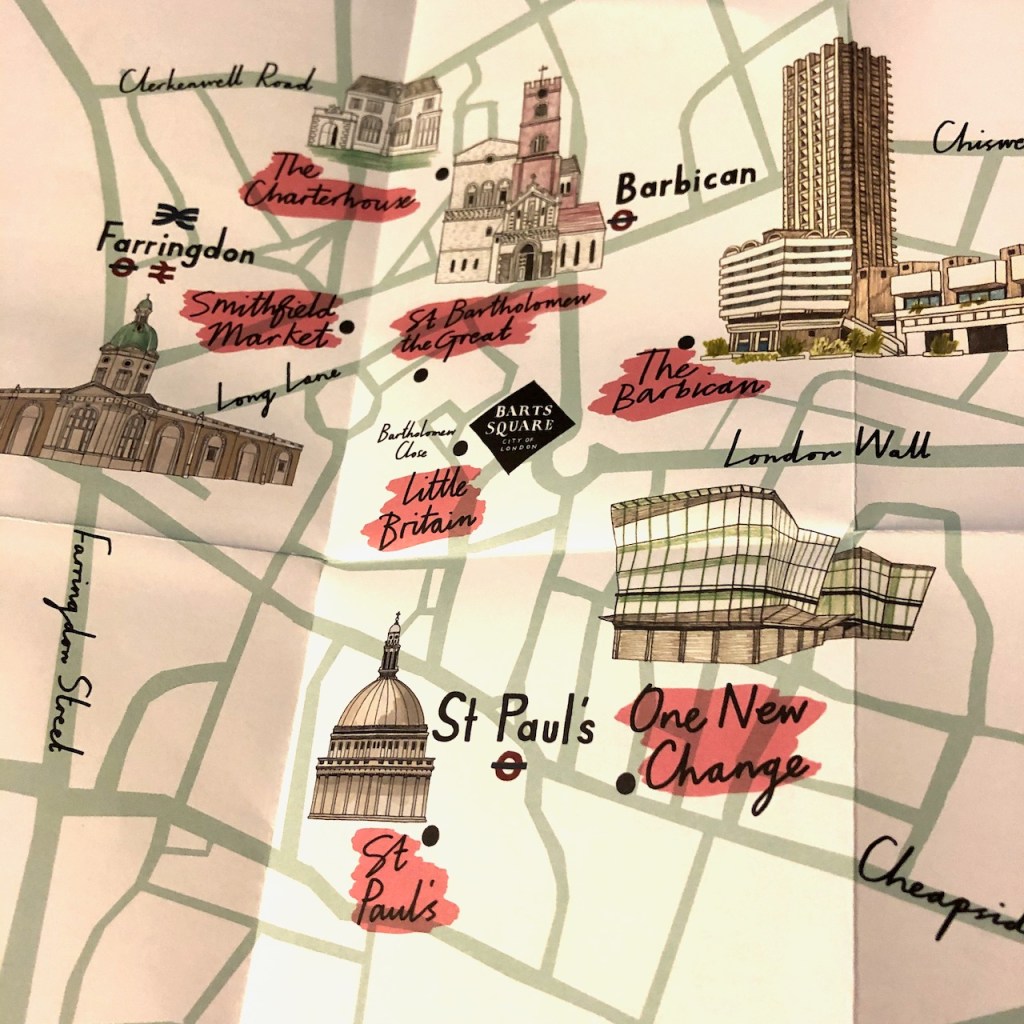
Here is work in progress and a bigger map. Thank you to the staff of Halfcup who made me very welcome and brought hot tea to thaw out my hands.

Drawing took about 2 hours. Main colours used: Phthalo Turquoise (W&N), Mars Yellow (DS), Burnt Umber (DS), Perinone Orange (DS), Naples Yellow Red (R). The sky is the Phthalo Turquoise and Burnt Umber, very dilute. Blue and brown make grey.

I sketched in Barts Square yesterday as well:

Barts Square, West side

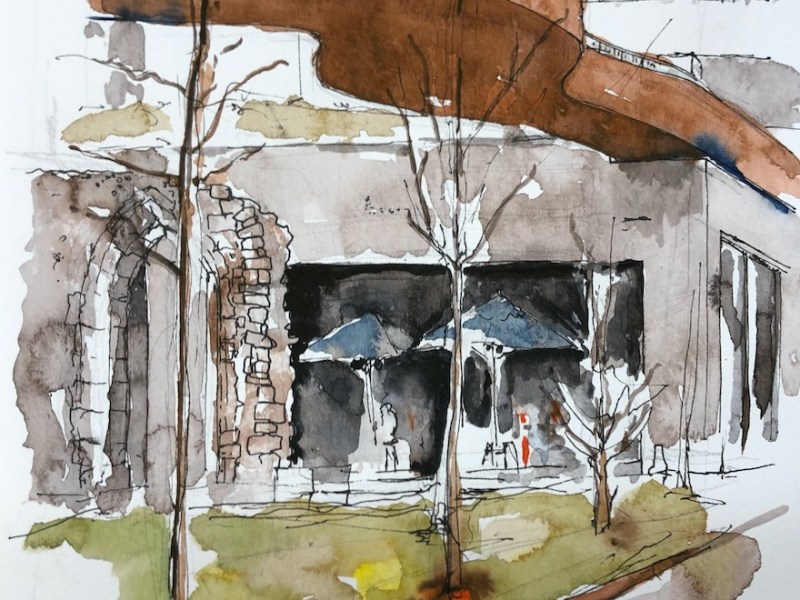
Today I went to try out “Halfcup”, a new coffee place which has opened on Bartholomew Close. It’s part of the new “Barts Square” development. These are new buildings in an area that was previously St Bartholomew’s Hospital. Some of the external features of the original hospital buildings have kept, as you see in the…

Barts Square, West side

Today I went to try out “Halfcup”, a new coffee place which has opened on Bartholomew Close. It’s part of the new “Barts Square” development. These are new buildings in an area that was previously St Bartholomew’s Hospital. Some of the external features of the original hospital buildings have kept, as you see in the centre and right of the drawing.

Looking west across Bartholomew Square, through the window from Halfcup

The building at the back, with the tall windows, is the existing Bartholomew’s Hospital, new building. The building on the right has a restaurant, “Lino”, on the ground floor, and offices above.

Here are some pictures of the drawing in progress, and a photo of a map provided by the Barts Square development.

The drawing took 1hour50mins. The main colours are: Phthalo turquoise(W&N), Burnt Umber (DS), with Perinone Orange (DS) and Mars Yellow (DS) for the “Lino” brick building.

Bastion House, London Wall, from Andrewes House

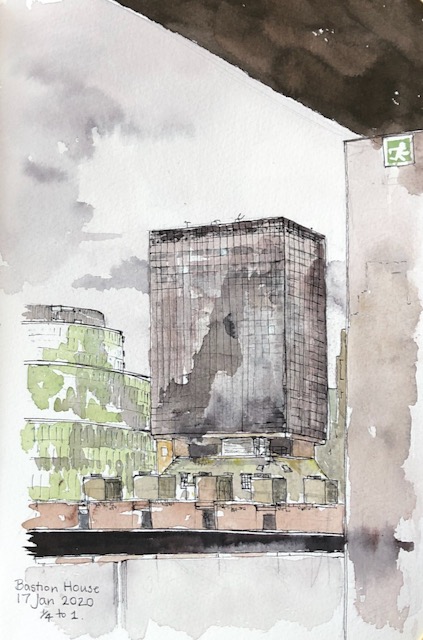
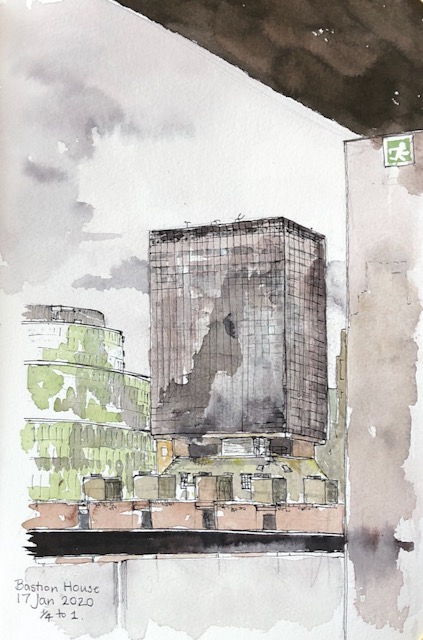
I hastened to draw the magnificent Bastion House, on London Wall. It is due for demolition.

In the foreground you see the balcony and privacy screen of the flat in Andrewes, whose leaseholder had kindly hosted me.

The line of red brick, and what looks like chimneys, in the foreground are the rooftops of a part of the Barbican, “The Postern”. Behind them is the Barber-Surgeons’ Hall on Monkwell Square, where I have been to give blood. The curved green building on the left is on the other side of London Wall. It is “One London Wall” near the Museum of London Rotunda: multi-use office space.

Bastion House is the huge monolith in the centre of the drawing. It reminds me of the monolith in the 1968 film “2001 – A Space Odyssey”, and indeed it dates from that period. It was proposed in 1955, and started in 1972, completed in 1976. The architect was Philip Powell of Powell and Moya. This practice also designed the Skylon for the 1951 South Bank Festival of Britain, and Churchill Gardens in Pimlico.

Here is drawing work in progress.

This drawing took me about 2 hours. This is my first drawing in a new sketchbook: the “Perfect Sketchbook” from Etchr. This will be Urban Sketching sketchbook number 6.

I have sketched Bastion House before:

Bastion House from Podium Level

Bastion House aka 140 London Wall is a huge modernist monolith, reminiscent of the monolith in “2001 – A Space Odyssey”. I couldn’t find a site to draw the monolith part today, so here is a view at Podium Level, looking West towards the Museum of London. You see the dark undercroft, walkways and a…

St Giles and Bastion House

Today Urban Sketchers London held a “sketch crawl” in the Barbican. So I joined them. An astonishing number and diversity of people assembled inside the entrance of the Barbican Centre at the appointed time of 11am. I counted about 35 and then another dozen or so joined. All shapes and sizes of people, tall, short,…

From “Barbie Green” London Wall

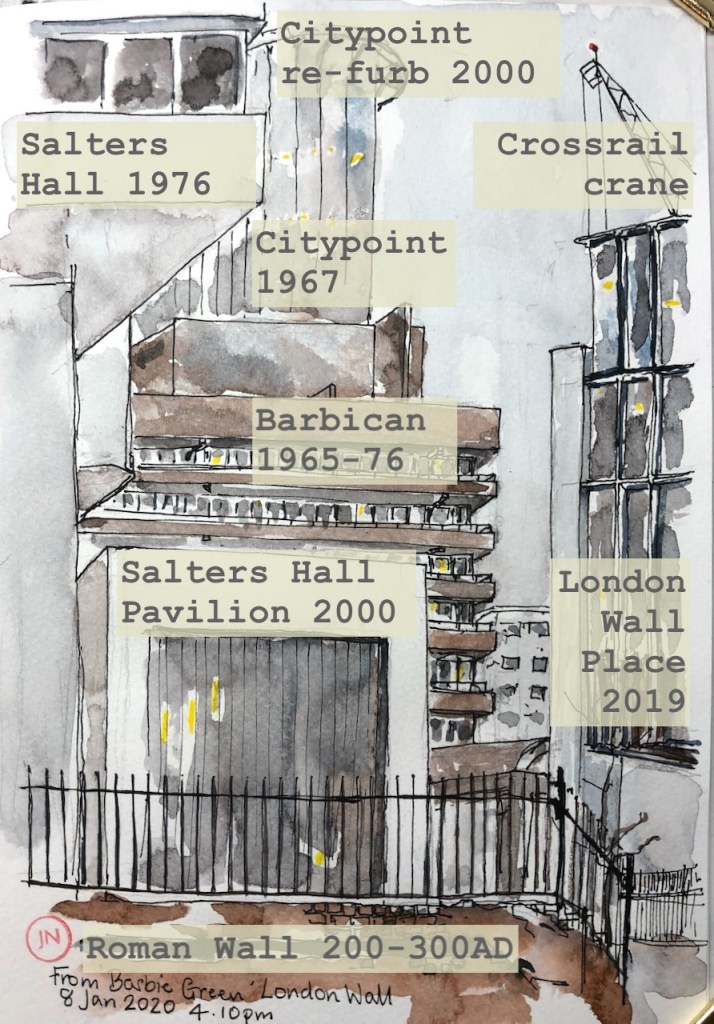
Here is a view from the Australian café, “Barbie Green” on London Wall. In this picture you see:

  • a vestige of the old roman London Wall, red-bricked. It has a modern fence on top of it because there is a 20ft drop on the other side. Built around 200-300AD.
  • Salters Hall, the white building on the left, and the square building in the middle. Built in 1976 to the designs of Sir Basil Spence, and extensively redeveloped in 2019.
  • Willoughby House in the Barbican Estate, behind Salters Hall, built 1965-76 to the designs of Chamberlain, Powell and Bon
  • CityPoint, in the middle background, built 1967 to the designs of F. Milton Cashmore and H. N. W. Grosvenor. It was refurbished in 2000 and that top structure added.
  • London Wall Place on the right of the picture, just finished in 2019 and now becoming occupied. The architects were “make architects”
  • the crane, high up to the right, is on the Crossrail site at Moorgate.

Barbie Green is a new cafe which has appeared as part of the new London Wall Place development. Its huge windows have great views out over St Alphege Church and the surrounding buildings. They have very friendly staff who don’t seem to mind atall that I used their table as a vantage point for sketching. I had great food and great coffee too. Thank you Barbie Green.

This drawing took about an hour and a half. It is almost all Prussian Blue and Perinone Orange, Daniel Smith Watercolours, over pen and ink. The ink is “De Atramentis Document Ink Black”, which is waterproof.

Here is work in progress. As you see, it was getting dark!

I have drawn in this location before:

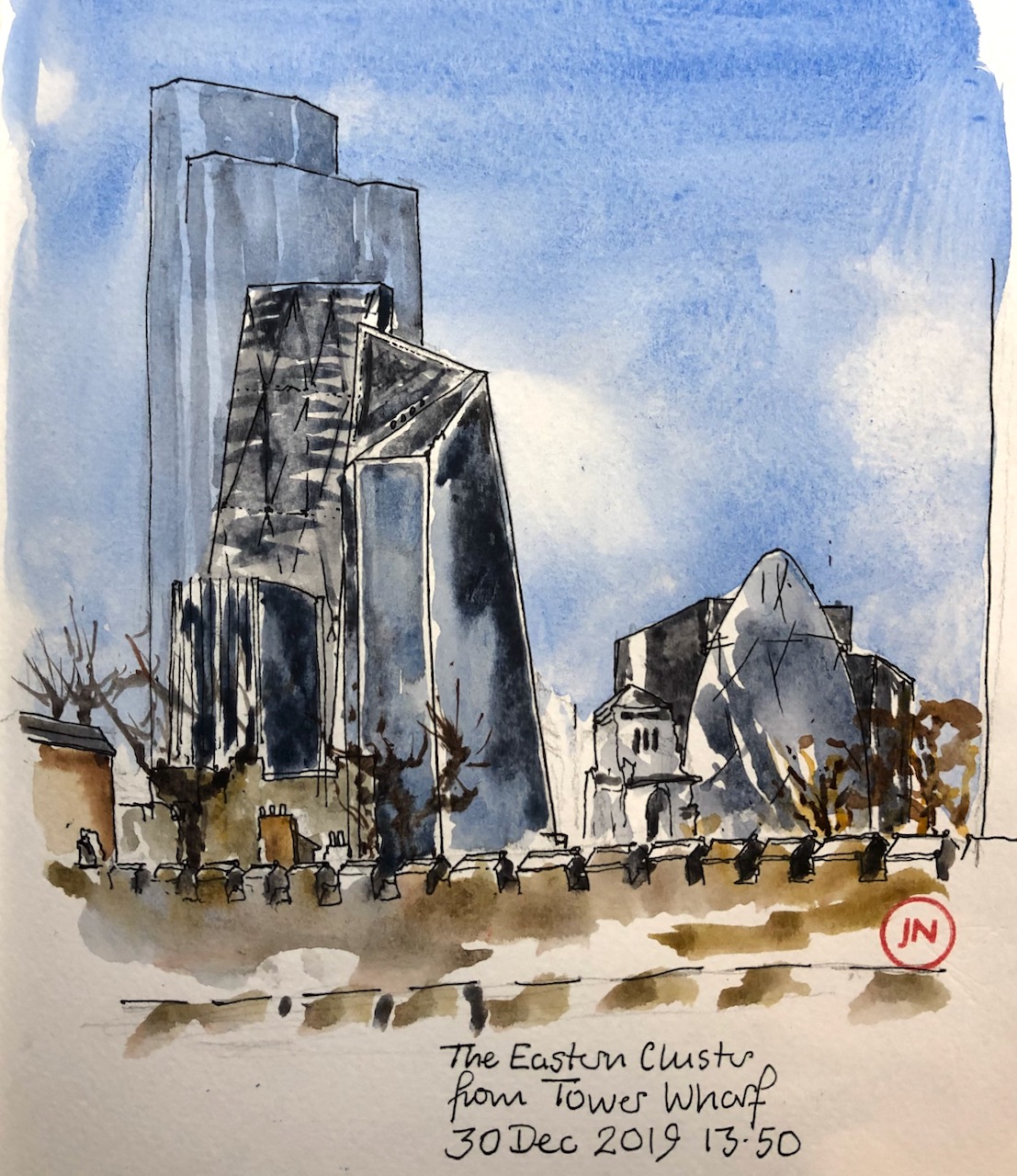
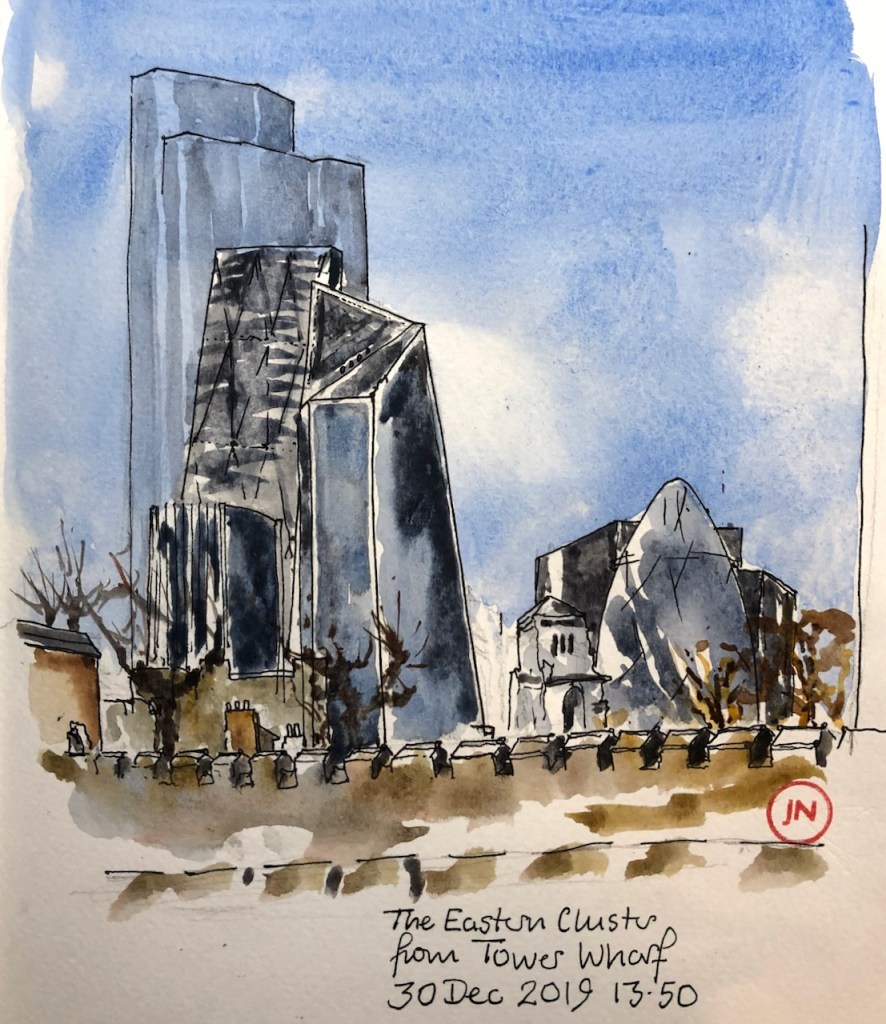
The Eastern Cluster from Tower Wharf

I went down to the river to find the sun. It was there, flooding the North side of the Thames, and so were an extraordinary number of tourists.

But who can blame them? The city was looking clear cut and perfect, there was a slight haze in the distance, a blue sky, and a low golden sun. I stopped by The Tower, and admired Tower Bridge, as everyone else was doing. Then I looked the other way, and saw the towers of the City.

From left to right: 22Bishopsgate (the tallest), the Cheesegrater, the Scalpel, the Gherkin.

I enjoyed the fact that you can see the pollarded trees and the chimneys of the buildings of the Tower of London, in front of the skyscrapers. The lower, pointed building, just to the left of the Gherkin, is the former headquarters of the Admiralty. Samuel Pepys (1633 – 1703), who wrote the diaries, worked there. This building is now an upmarket hotel.

The castellations in the foreground are part of the Tower of London.

The colours used are Cobalt Blue, Burnt Umber, and Mars Yellow, all Daniel Smith watercolours.

This drawing took about an hour, drawn and coloured on location.

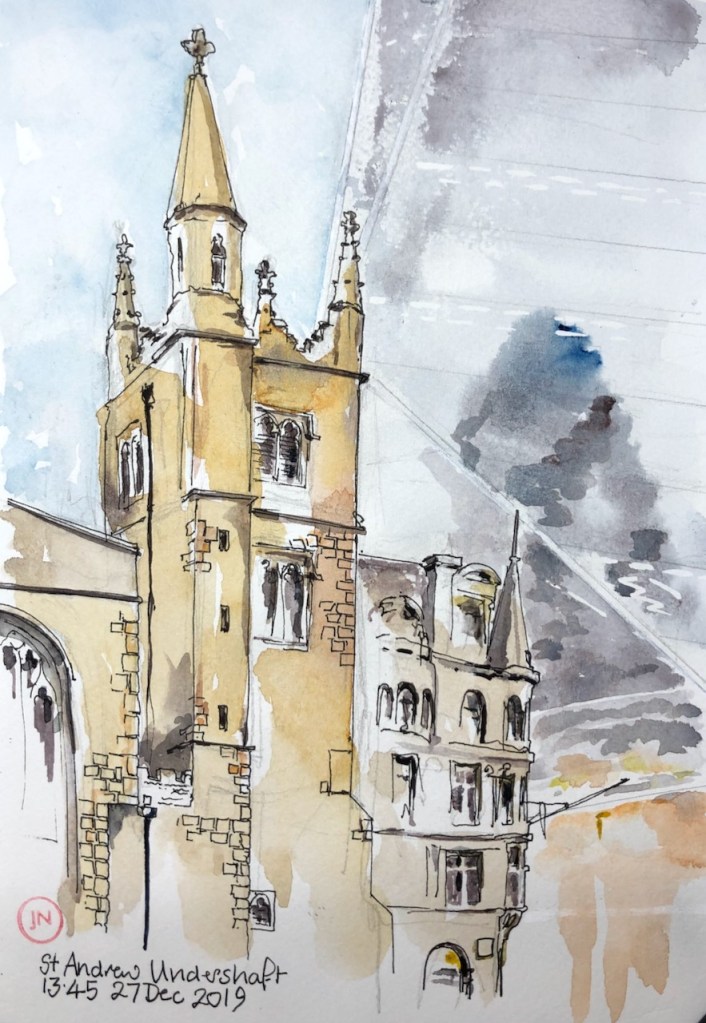
St Andrew Undershaft

Here is St Andrew Undershaft, constructed in 1532. It survived both the Great Fire of London, and the Blitz. Next to it is a branch of Lloyds Bank. Behind, with its huge reflective walls, is the Scalpel Building, 52 Lime Street EC3, finished this year. Reflected in the walls of the Scalpel is 30 St Mary Axe, The Gherkin, finished in 2003.

On the West side of the Square, diminished by the monumental canopy of the Leadenhall Building, is a Victorian statue entitled “NAVIGATION”. Navigation is a big strong man, inadequately clad for Northern seas, but he doesn’t mind. In his right hand he grasps the ship’s wheel. In his left arm, he cradles a ship. Next to him, incongrouously, is a multi-coloured wooden column. At first I thought it was some kind of antenna. Then perhaps it might be a 21st century version of a Barber’s Pole, no longer red and white only, but now yellow too. But there is no Barbers Shop. I was just about to conclude it must be “Art”, when I saw the explanatory notice, low down and in shadow. It is a Maypole.

“Until the 16th Century, a famous maypole used to be put up on feast days at the corner of St Mary Axe. Its shaft overtopped the original church, which got its name St Andrew Undershaft as a result. When not in use, the shaft was stored in an alley near here, which became known as Shafts Court”.

“NAVIGATION” and the Maypole.

About 45 minutes on location, finished at home. It was very cold. Colours used: Mars Yellow, Perinine Orange, Prussian Blue, Perylene Maroon. The sky is dilute Prussian Blue.

Here is work in progress and my location: